
Share A Smile

August 2024

dental clinic in pandalam pathanamthitta

A Comprehensive Guide to Removable Partial Dentures

Maintaining our dental health can be challenging as we journey through life; sometimes, we need extra help. One common solution for replacing missing teeth is removable partial dentures. Whether you’re considering getting one or are just curious, this guide will provide you with everything you need about removable partial dentures. What are Removable Partial Dentures? Removable partial dentures (RPDs) are dental appliances that replace one or more missing teeth. They consist of replacement teeth attached to a pink or gum-coloured plastic base, sometimes connected by a metal framework. The dentures are designed to fit snugly in your mouth, filling the gaps left by missing teeth and restoring function and appearance. Types of Removable Partial Dentures There are several types of RPDs, each with its unique features and benefits: Cast Metal Partial DenturesThese are the most common type of RPDs, made from a metal framework with acrylic teeth and gums. They are durable and offer a precise fit, making them a popular choice for long-term use. Acrylic Partial DenturesAlso known as “flippers,” acrylic partial dentures are usually used as a temporary solution. They are less expensive but bulkier and less durable compared to metal-based dentures. Flexible partial dentures made from a flexible plastic material are more comfortable and aesthetically pleasing. They blend seamlessly with the natural tissues of your mouth and do not require metal clasps, making them an excellent option for those who prioritize comfort and appearance. Benefits of Removable Partial Dentures Improved Aesthetics: One of the most noticeable benefits of RPDs is the improvement in appearance. They fill in the gaps left by missing teeth, restoring your smile and giving you more confidence. Enhanced Oral Function: RPDs allow you to chew and speak more effectively. Missing teeth can make eating certain foods and pronouncing words difficult, but dentures help restore these functions. Preservation of Remaining Teeth: By filling in the gaps, RPDs prevent the remaining natural teeth from shifting out of place, leading to further dental issues. Cost-Effective Solution: Compared to dental implants and fixed bridges, RPDs are a more affordable option for tooth replacement. Care and Maintenance of Removable Partial Dentures Proper care and maintenance are crucial to ensure the longevity and effectiveness of your RPDs. Here are some tips: Clean Daily: Just like natural teeth, dentures need to be cleaned daily to prevent plaque buildup and staining. Use a soft-bristle toothbrush and a non-abrasive denture cleaner. Handles with Care: Dentures are delicate and can break if dropped. Handle them over a soft surface or a basin of water to prevent damage. Soak Overnight: Keep your dentures moist when not in use by soaking them in a denture-soaking solution or water. This helps maintain their shape and prevent them from drying out. Regular Dental Checkups:  Visit your dentist regularly to ensure that your dentures fit properly and to check the health of your remaining teeth and gums. Common Issues and Solutions While RPDs offer numerous benefits, they can also present some challenges: Initial Discomfort: It’s normal to experience some discomfort or soreness when first wearing dentures. Give yourself time to adjust, and consult your dentist if the discomfort persists. Difficulty Eating and Speaking: Eating and speaking with dentures can take some practice. Start with soft foods and gradually introduce harder items. Reading aloud can help improve your speech. 3. Loose Fit: Over time, the fit of your dentures may change due to bone and gum changes. If your dentures become loose, visit your dentist for adjustments or relining. Conclusion Removable partial dentures are a practical and effective solution for replacing missing teeth. They offer numerous benefits, including improved aesthetics, enhanced oral function, and preservation of remaining teeth. You can enjoy a healthier, more confident smile by choosing the right type of RPD and following proper care and maintenance routines. If you’re considering RPDs, consult your dentist to determine the best option for your needs and ensure a proper fit. With the right care, removable partial dentures can provide a long-lasting and comfortable solution to enhance your quality of life. Our Service Locations Share A Smile Dental Clinic is located in Pandalam, Pathanamthitta, Kerala. You can trust our experienced pediatric dentists and the latest technology for your kids’ early dental visits. Our friendly and experienced staff will treat your kids with the utmost care and respect. Book an Appointment Explore our expert tips and treatments ! Click here

A Comprehensive Guide to Removable Partial Dentures Read More »
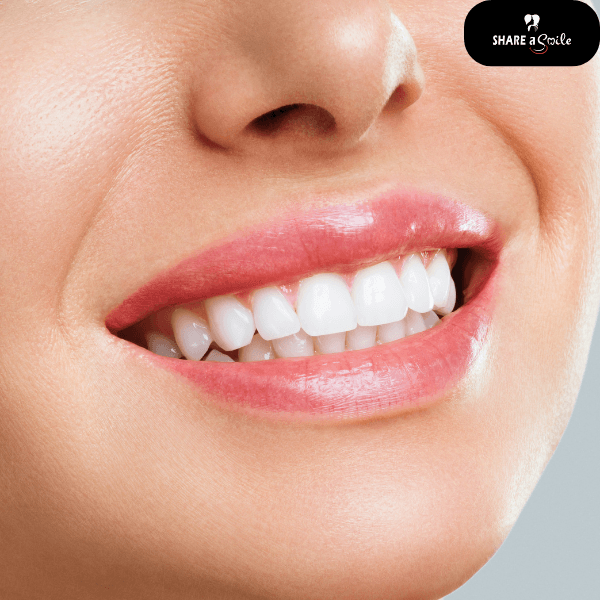
The Truth About White Teeth: Are They Healthy?

In a world where dazzling white smiles are often equated with health and beauty, it’s easy to assume that whiter teeth are inherently healthier. But is this the case? Can the quest for pearly whites sometimes mask underlying dental issues? Let’s dive into the relationship between tooth colour and oral health to uncover the truth. The Myth of White Teeth and Health Healthy teeth aren’t always white In spite of the fact that white teeth can indicate good oral hygiene, they do not necessarily indicate good overall dental health. Teeth can be white yet still have underlying issues like cavities, gum disease, or structural problems. The natural colour of healthy teeth varies from person to person and can range from white to slightly yellow or grey.   The Influence of Genetics Teeth colour is largely determined by genetics. Some naturally have whiter enamel, while others may have a slightly darker shade. This variation is completely normal and doesn’t necessarily reflect the health of your teeth. Factors That Affect Tooth Color Diet and Lifestyle There are a number of beverages and foods that may stain the teeth over time, including coffee, tea, red wine, and some fruits. Smoking and tobacco use can also cause significant discolouration. Maintaining a healthy diet and avoiding staining substances can help keep your teeth looking their best. Oral Hygiene Regular brushing, flossing, and dental checkups are key to maintaining your teeth’s health and appearance. Plaque and tartar buildup can cause discolouration and lead to more serious dental issues. Aging Our teeth’s enamel naturally wears away with age, exposing the yellowish dentin beneath.This process is normal and doesn’t necessarily indicate poor oral health. The Risks of Teeth Whitening Over-the-Counter Whitening Products To achieve a brighter smile, many people use over-the-counter whitening products. If these products are not used correctly, they can cause irritation and damage. Whenever you begin a whitening program, you should carefully follow the instructions and consult your dentist. Professional Whitening Treatments Professional whitening treatments offered by dentists are generally safer and more effective than over-the-counter options. However, even professional treatments can cause temporary sensitivity and should be cautiously approached, especially for individuals with dental issues. Striking a Balance: Healthy and Attractive Teeth Prioritize Oral Health Instead of focusing solely on the whiteness of your teeth, prioritize overall oral health. Consider Whitening with Care If you decide to whiten your teeth, do so with care. Consult your dentist to determine your situation’s safest and most effective method. Professional guidance can help you achieve a whiter smile without compromising your dental health. Embrace Your Natural Smile Embrace your smile and focus on maintaining healthy teeth and gums. Confidence comes from knowing that your smile reflects good health, not just aesthetics. Conclusion While white teeth are often associated with health and beauty, they are not the sole indicator of a healthy mouth. If you’re considering whitening your teeth, consult a trusted dental clinic like Share A Smile Dental Clinic to ensure you make the best choice for your dental health. Healthy teeth come in many shades; the most important thing is to keep them clean, strong, and disease-free. So, embrace your natural smile and focus on the health behind the hue! Our Service Locations Share A Smile Dental Clinic is located in Pandalam, Pathanamthitta, Kerala. You can trust our experienced pediatric dentists and the latest technology for your kids’ early dental visits. Our friendly and experienced staff will treat your kids with the utmost care and respect. Book an Appointment Explore our expert tips and treatments ! Click here

The Truth About White Teeth: Are They Healthy? Read More »

pediatric dentistry

Understanding Gaps in Milk Teeth: Causes, Concerns, and Care

Parents often notice gaps between their children’s milk teeth, also known as primary teeth, and wonder if they should be concerned. These gaps can raise questions about their child’s oral health and future dental alignment. In this blog, we’ll explore the causes of gaps in milk teeth, when to be concerned, and how to care for your child’s developing smile. What Are Milk Teeth? Baby teeth, or milk teeth, are the first teeth an infant gets. Typically, children have 20 milk teeth that begin to emerge around six months of age and continue to come in until about age three. Permanent teeth eventually replace these temporary teeth Common Causes of Gaps in Milk Teeth Natural Development Gaps in milk teeth are often a natural part of a child’s dental development. As the jaw grows and develops, it creates more space to accommodate the larger permanent teeth that will eventually come in. This process can result in temporary gaps between the primary teeth. Tooth Size and Jaw Growth The size of the teeth relative to the jaw can also cause gaps. If a child’s teeth are smaller than average or their jaw is growing faster than their teeth, gaps may appear. This is usually not a cause for concern and can self-correct as the child grows. Missing Teeth Sometimes, a gap may occur because a milk tooth is missing. The tooth might not develop due to a congenital condition or be lost early because of decay. Habits and Behaviors Thumb sucking and prolonged pacifier use can affect teeth alignment and cause gaps. These habits can affect the teeth’ positioning and the jaw’s development. When to Be Concerned While gaps in milk teeth are usually not a cause for concern, there are some instances where they may indicate underlying issues: Large or Persistent Gaps A dentist can help if your kid’s gaps are unusually big or don’t seem to close as they grow. Large gaps can sometimes indicate developmental issues that require intervention. Misalignment or Bite Issues Gaps combined with misalignment or bite issues, such as overbites or deep bites, can signal more significant dental problems. These issues may need early orthodontic evaluation and treatment to prevent future complications. Impacted or Missing Permanent Teeth If a gap persists after permanent teeth have replaced the primary teeth, it could indicate that a permanent tooth is impacted or missing. X-rays can show if there are any underlying issues with permanent teeth. Caring for Your Child’s Smile Regular Dental Checkups As soon as your child acquires their first tooth or by the time they reach their first birthday, schedule regular dental checkups for them. By visiting the dentist regularly, you will be able to monitor their dental development and address any concerns as early as possible. Encourage Good Oral Hygiene Make sure your kids have good oral hygiene habits from a young age. Please encourage them to brush their teeth twice daily with fluoride toothpaste and floss daily. Supervise their brushing until they are old enough to do it effectively. Address Habits Early Suppose your child has habits like thumb sucking or prolonged pacifier use, work on addressing these behaviours early. Discuss strategies with your dentist to help your child break these habits if they affect their dental development. Balanced Diet Maintain a healthy diet in order to keep your teeth in good condition. It is important to limit the consumption of sugary snacks and drinks, as well as to promote the consumption of calcium and vitamins. Conclusion Gaps in milk teeth are a common and often natural part of dental development.As your child’s permanent teeth begin to emerge, most of these issues will resolve themselves. However, if you have concerns about your child’s dental development, it’s always best to consult a trusted dental clinic like Share A Smile Dental Clinic. Regular dental checkups, good oral hygiene, and early intervention when needed can help ensure your child develops a healthy, beautiful smile. Our Service Locations Share A Smile Dental Clinic is located in Pandalam, Pathanamthitta, Kerala. You can trust our experienced pediatric dentists and the latest technology for your kids’ early dental visits. Our friendly and experienced staff will treat your kids with the utmost care and respect. Book an Appointment Explore our expert tips and treatments ! Click here

Understanding Gaps in Milk Teeth: Causes, Concerns, and Care Read More »

Everything You Need to Know About Implant-Supported Complete Dentures

Many years ago, traditional dentures were used to restore a full set of teeth. As dental technology advances, implant-supported complete dentures have become a superior alternative. These innovative dentures offer improved stability, function, and comfort. Find out what implants can do for you, how they work, and what they cost. What Are Implant-Supported Complete Dentures? Implant-supported complete dentures, or overdentures, are full dentures anchored to dental implants. Surgically inserted titanium posts serve as artificial tooth roots by implanting them in the jawbone. Implants keep dentures in place securely, providing a solid foundation. Benefits of Implant-Supported Complete Dentures Enhanced Stability and Comfort Having implant-supported dentures means they’re stable, which is a big plus. Implant-supported dentures stay firmly in place, so they don’t slip or cause discomfort like traditional dentures. Improved Chewing and Speaking With traditional dentures, chewing certain foods and speaking clearly can be challenging. Implant-supported dentures restore nearly full chewing function, allowing you to enjoy a more varied diet. They also help improve speech clarity, staying securely in place while you talk. Preservation of Jawbone Health Missing teeth cause bone loss, so dental implants stimulate your jawbone. This stimulation helps maintain the structure of your face, preventing the sunken appearance often associated with long-term denture use. Long-Lasting Solution Implant-supported dentures are long-lasting and durable. If properly cared for and maintained, they’ll last a long time. The Procedure: What to Expect Initial Consultation Getting implant-supported complete dentures begins with a thorough consultation with your dentist. This visit will involve your dentist evaluating your oral health, talking about your goals, and determining if you’re a good candidate. Treatment Planning A personalized treatment plan is created once you are deemed a suitable candidate. This plan includes the number of implants needed, the type of implants, and the placement strategy. Implant Placement The next step involves surgically placing the implants into your jawbone. This procedure is usually performed under local anaesthesia.In order for the implants to fuse with the jawbone, a healing period of several months is necessary. Attaching the Dentures In order to attach the dentures to the implants, special connectors called abutments will need to be used once the implants have been fully integrated with the jawbone. Caring for Implant-Supported Complete Dentures Maintain Good Oral Hygiene Even with implant-supported dentures, maintaining good oral hygiene is essential. Brush your dentures and gums daily to remove plaque and food particles. Regular Dental Checkups Keep your teeth clean and healthy by visiting the dentist regularly. Dentures and implants are monitored by your dentist to keep them healthy. Avoid Hard and Sticky Foods Implant-supported dentures offer improved chewing functions, but you should still avoid extremely hard or sticky foods that may damage them. Handle with Care When removing or cleaning your dentures, handle them carefully to avoid dropping and damaging them. Conclusion Implant-supported complete dentures offer a revolutionary solution for those seeking to restore a full set of teeth with enhanced stability, comfort, and function. By investing in this advanced dental technology, you can enjoy renewed confidence and a significantly improved quality of life. If you’re considering implant-supported complete dentures, consult a trusted dental clinic like Share A Smile Dental Clinic to determine if this option is right for you. With professional guidance and personalized care, you can achieve a beautiful, functional smile that lasts a lifetime. Our Service Locations Share A Smile Dental Clinic is located in Pandalam, Pathanamthitta, Kerala. You can trust our experienced pediatric dentists and the latest technology for your kids’ early dental visits. Our friendly and experienced staff will treat your kids with the utmost care and respect. Book an Appointment Explore our expert tips and treatments ! Click here

Everything You Need to Know About Implant-Supported Complete Dentures Read More »