
Restoration: How to Fill a Cavity in a Tooth
One of the most prevalent problems with oral health is dental decay, and nowadays, more than ever before, the restoration of a decayed tooth has become simpler and more productive due to modern dentistry. Filling, also known as tooth restoration, is a dental operation in which a cavity in a decayed tooth is filled with a restorative substance after the affected area of the tooth has been excised.
The General Objection: "Is it not lifelong?
The question that a great number of patients ask is: Will this filling be everlasting? The real truth of the matter is: none of the dental restorations can be called lifelong. Why? Since it is your mouth–individual, energetic, and in constant motion. Your teeth are subjected to a lot of stress daily, whether it is during chewing, grinding, or natural wear of enamel. However well-done fillings are, they are a part of that continuing process.
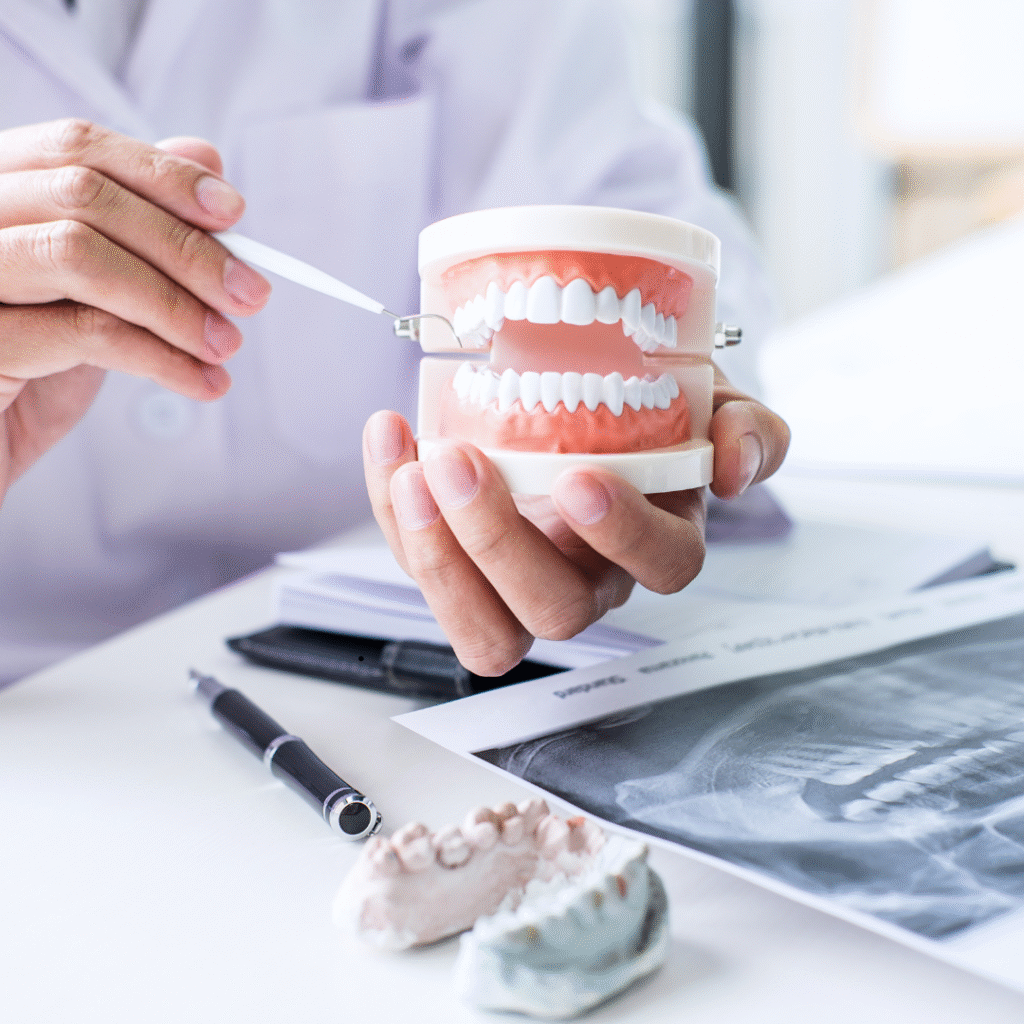
Restoration: How to Fill Your Decayed Tooth.
Among the most prevalent oral problems on earth, there is dental decay. Fortunately, contemporary dentistry offers a very good solution for tooth restoration, which is better known as a filling. However, what actually takes place in this process, and how long should you anticipate this process to take? Let us see all that you must know.
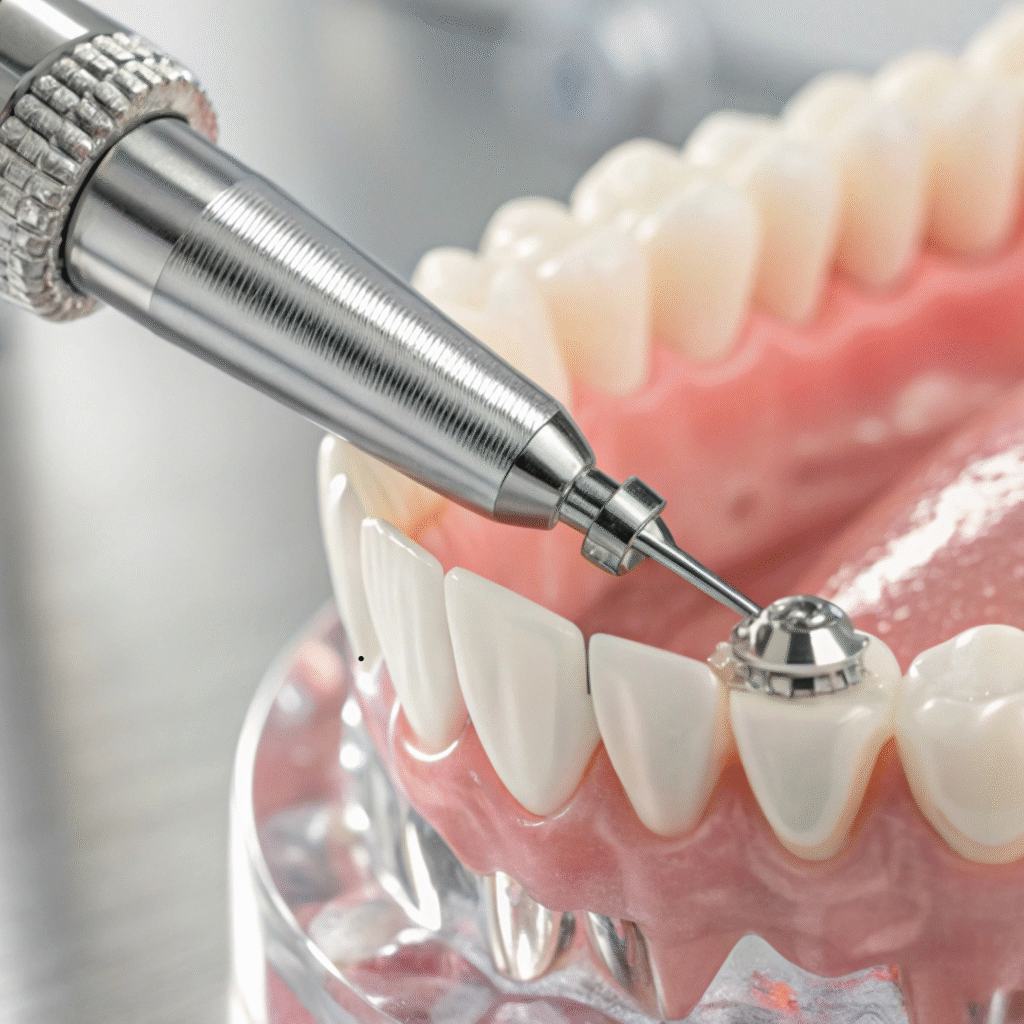
What is Tooth Restoration?
Tooth restoration refers to the act of restoring an aged, broken, or decayed tooth. During the procedure:
- The dentist extracts the rotten part of the tooth.
- The space left is sanitized to avoid the growth of bacteria.
- The restorative material placed in the tooth is either a composite resin, amalgam or ceramic, or other new advanced materials.
This is to reinstate the functionality, shape, and appearance of the tooth and to prevent further degeneration.
Does that not make Filling Lifelong?
It is a commonly asked question among many patients to know whether a filling lasts forever.
The simple reality is: no renovation is ever permanent. There is a lot of activity in your mouth. The teeth are constantly exposed to stress due to:
Chewing and biting: Everyday wear causes pressure that finds its way to the teeth, whether natural or filled.
Temperature change: Hot and cold materials cause materials to expand and contract.
Enamel wear: The natural wear is the erosion of the protective layer of your teeth.
Bacteria and oral chemistry: Saliva, pH alterations, and bacteria are all factors that influence the durability of teeth and fillings.
Dynamically, that is, in other words, no matter whether it is your tooth or mine, our mouths are not static, and restorations should be able to adjust to such parameters. A filling is something that is not going to last forever, but this does not imply that fillings will not be reliable.
What is the Lifespan of the Modern Fillings?
The latest research was done in 2025, giving promising news. Due to the development of dental materials and methods:
Survival rates: More than 90 percent of restorations have a lifetime of 5-7 years.
Durability: Most of the fillings will not break even after 5 years; however, they may wear and tear out.
Materials: New composite resins, ceramics, and new amalgams are more resistant to cracking, staining, and erosion, compared to older ones.
These advancements imply that fillings have become more long-lasting and can withstand regular chewing, exposure to acid, and daily usage.
What Influences the Life of a Filling?
The duration of a restoration is affected by some factors:
Type of Filling Material
- Composite resin: Beautiful, aesthetic, fair longevity, Tooth-coloured.
- Amalgam: Strong, durable, longer life, silver.
- Ceramic/Inlays: tough, very aesthetic, wear-resistant.
- Site and Size of Filling.
Indications of Your Filling That Could Have to Be Replenished.
Even superior fillings can require some cleaning after some time. Watch for:
- Tooth pain or tooth sensitivity.
- Fissures, breaks, or any noticeable damage to the filling.
- Dark discoloration on the edges.
- Food sticking to the filling.
Dental check-ups will allow these problems to be detected early enough, and therefore your filling will be working well to protect your tooth.
Conclusion
Restoration of teeth is a safe, sure, and effective method of treating dental decay. Although no filling is permanent, there are modern types of materials and techniques that give lasting restorations with a survival rate of 5-7 years or higher. A combination of good oral hygiene, frequent visits to the dentist, and avoiding activities that put your teeth under stress should prolong the life of your fillings.