
Charcoal Toothpaste: Is It Safe for Your Smile?
Charcoal toothpaste has rapidly become one of the trends in dental maintenance. It is promoted as a natural method of whitening teeth and eliminating stains, and it guarantees fast results and a whiter smile. However, just as you are going to replace your usual toothpaste with a new, shiny, black, and gritty one, you ought to know what the dental experts are saying regarding its long-term consequences.
Why is Charcoal Toothpaste so popular?
Charcoal toothpaste attracts several individuals as it purports to:
Remove surface stains
- Whiten teeth naturally
- Detoxify the mouth
- Deliver quick cosmetic outcomes.
This can give the effect of instant polishing of teeth, making them look cleaner and a little whiter. Nevertheless, this short-lived positive effect could be accompanied by unknown dangers.
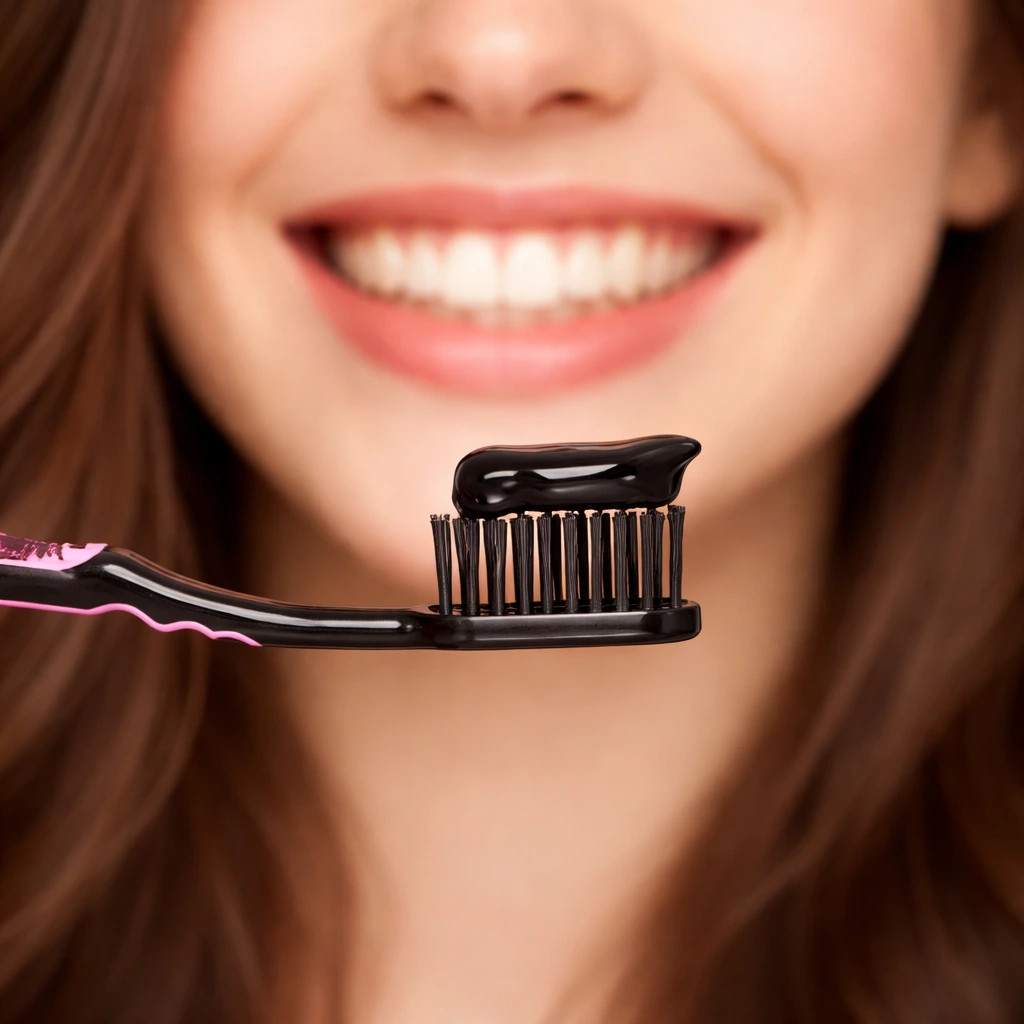
The Real Issue: Enamel Damage.
The outer layer of your teeth is known as tooth enamel. It protects the persistently exposed and delicate inner bits against damage, rot, and fluctuations of temperature. Though enamel is as tough as it can be, this does not make it invulnerable–and when it has worn away, it cannot be replaced.
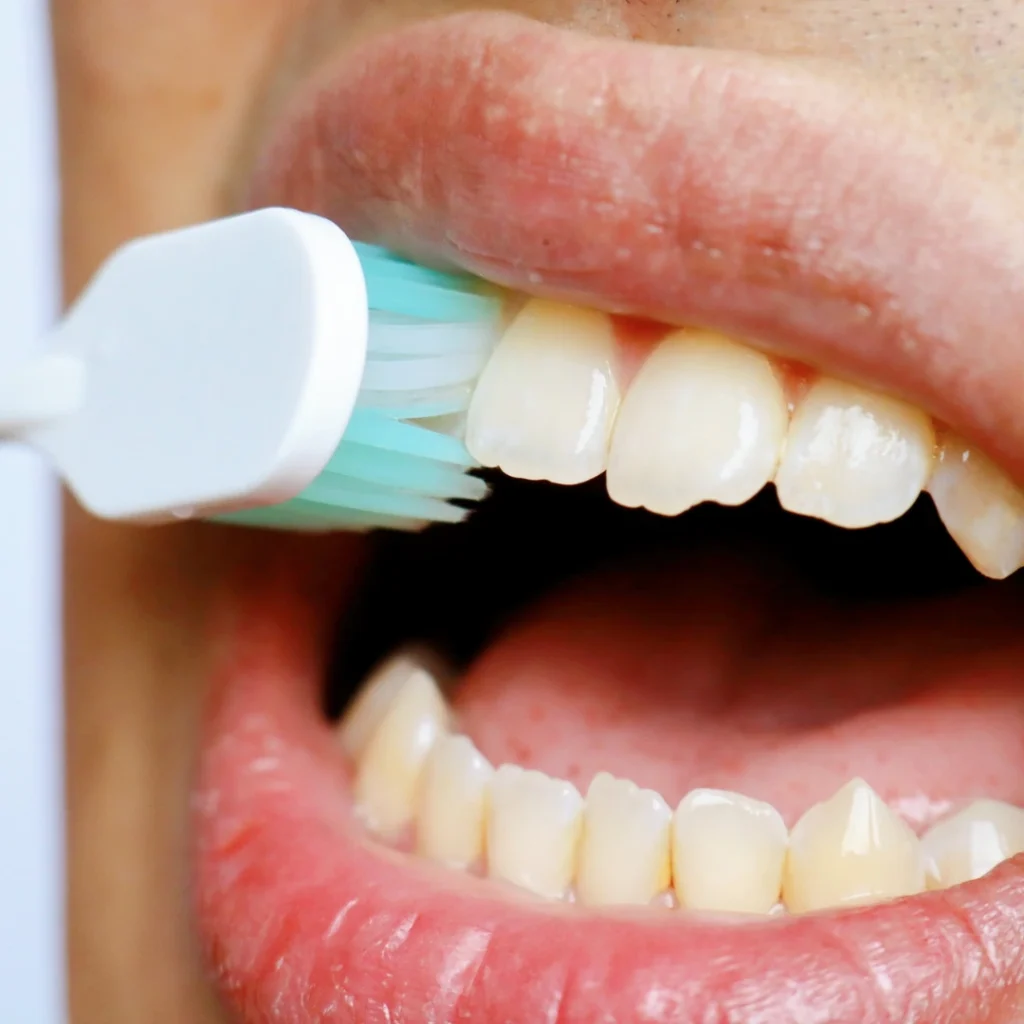
Charcoal is highly abrasive. Whereas mild abrasiveness in toothpaste is the norm, high abrasiveness may, in the long run, cause erosion of enamel.
Enamel wear over the long-term may result in:
- Sensitivity of teeth.
- Greater risk of cavities
- Dental dentin appears dull or yellow (when more exposed).
- Increased susceptibility to fissures and fractures.
It is ironic that the very product that is supposed to whiten your teeth actually ends up darkening them through enamel thinning.
Tooth Sensitivity: A Warning Sign
When you feel uncomfortable with consuming cold drinks or when you eat hot foods, then you may have a problem with your toothpaste. The feeling of sensitivity is usually an indication that the enamel has become weak, and it reveals the inner layers of the tooth.
The damage once it is caused to the enamel is irreversible, hence the need to prevent the damage.
Safe Methods of Bleaching Your Teeth
Instead of those, it is preferable to use safer ones, such as:
- White toothpaste is suggested by dentists.
- In-office treatments consist of professional whitening.
- Individually designed whitening strips.
- Professional cleanings are regularly performed.
These treatment methods are meant to enhance the look of your smile and guard your oral health in the long-term perspective.
Conclusion
Oral care is constantly changing, but your teeth must not. Although charcoal toothpaste can provide temporary cosmetic satisfaction, it can also lead to permanent harm when taken on a daily basis due to dental abrasiveness.