
What Is Flossing and What Is the Correct Method of Flossing?
Good oral hygiene is more than simply brushing your teeth twice a day. Flossing is one of the most important, but neglected steps. In case you have ever wondered why dentists are so serious about flossing, or you are not sure whether you are doing it right, the following guide will make you realize all you need to know.
What Is Flossing?
Flossing is cleaning the space between your teeth with a fine string of thread, usually of nylon or Teflon. Although brushing cleans up the surfaces of your teeth, it is not able to reach the tight spaces between them. These locations are likely to have an accumulation of plaque, food particles, and bacteria.
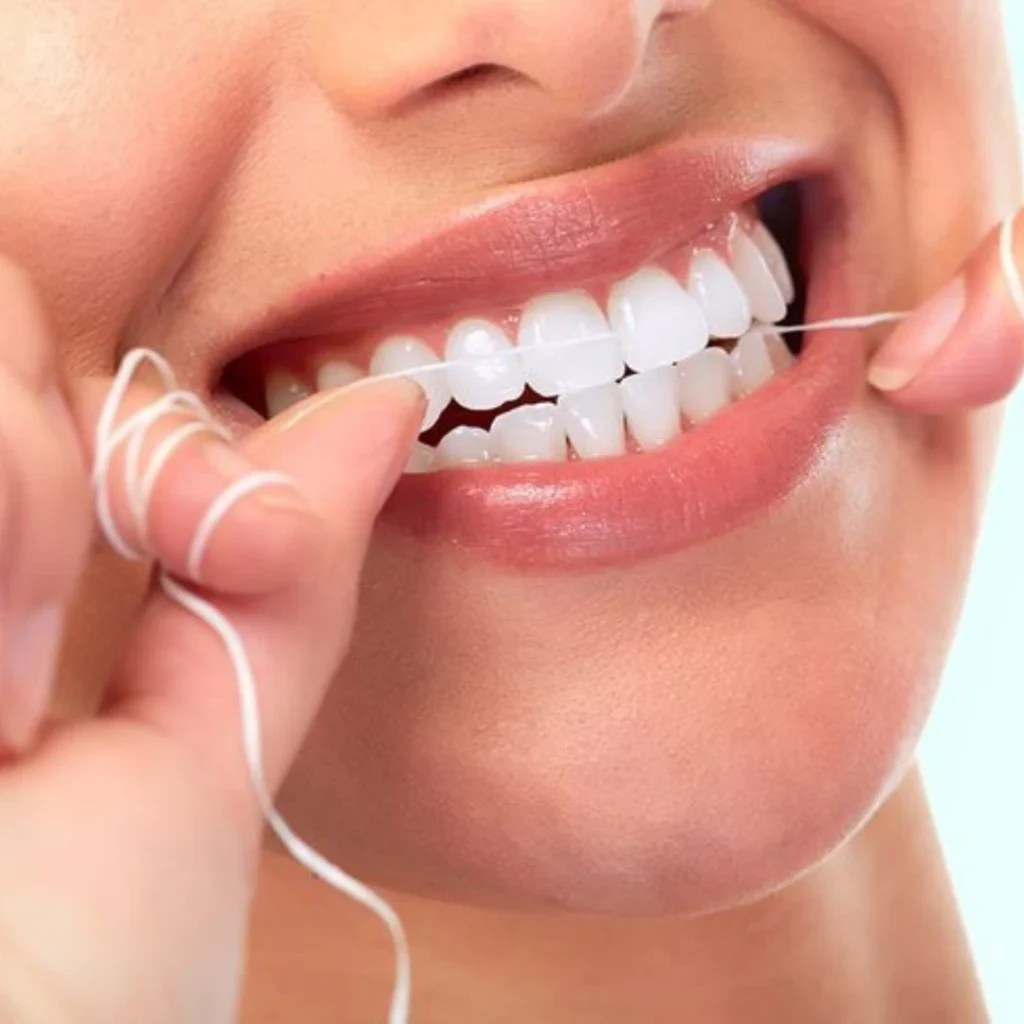
Flossing helps:
- Get rid of food debris.
- Prevent plaque buildup
- Minimize chances of gum disease.
- Guard against bad breath.
- Reduce the risk of tooth cavities.
It is such a simple thing; flossing is an addition to brushing, and it is an element of an oral care routine.
What Is the Importance of Flossing?
Although your teeth may appear clean, the dangerous bacteria may be embedded in between your teeth. In the long run, this may result in:
- Gingivitis
- Periodontitis
- Tooth decay in inaccessible places.
Regular flossing will break up this accumulation before it becomes a severe dental problem.
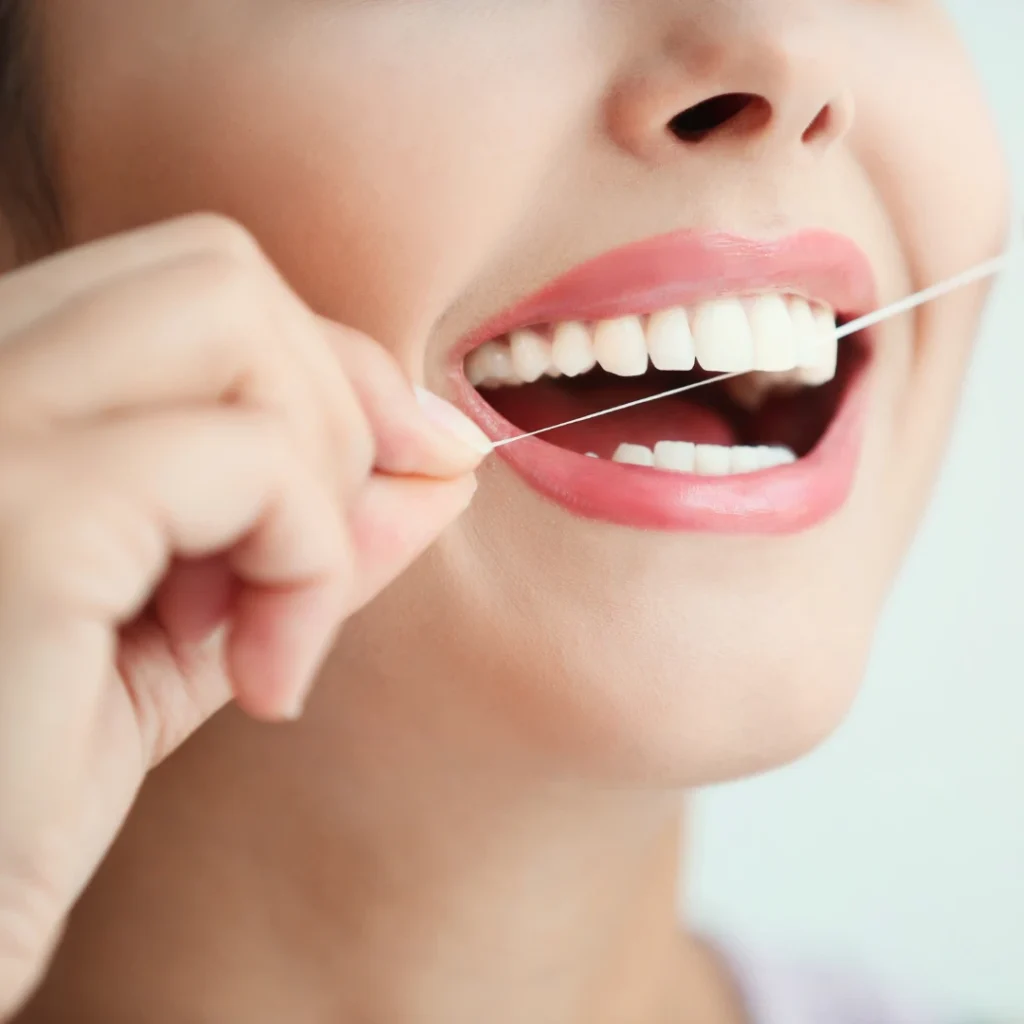
Proper way of Flossing.
It is as important to floss well as to floss regularly. To be sure you are doing it right, follow these steps:
- Select the appropriate length of Floss.
Take about 18–24 inches (45–60 cm) of dental floss. This will enable you to clean each tooth using a clean part.
- Hold It Properly
Take a majority of the floss on your middle fingers and leave approximately 1-2 inches to work with. You can use your index fingers and thumbs to guide it.
- Slide Floss in Gently.
Slide the floss in between your teeth. Do not snap it in your gums, it may hurt.
- Form a “C” Shape
Wrap the floss around the side of a tooth, it should look like a C. This assists the floss to go a little bit beneath the gumline.
- Move Up and Down
Move the floss up and down the tooth in a gentle motion. Do the same with the other side of the gap.
- Wipe with a Clean part every time.
You can also use a different long stretch of floss by untwining it as you move to the next tooth, so that you do not transfer bacteria.
- Don’t Forget the Back Teeth
Floss all teeth and even the very back teeth
Conclusion
Flossing is a very effective but simple habit that is relevant in keeping the mouth clean. When applied properly and regularly, it will prevent numerous dental issues, as well as maintain your smile fresh and healthy.
Flossing should be a part of your everyday routine, and your teeth and gums will appreciate it.