
Can stomach problems affect your teeth? The hidden connection between acid reflux and enamel erosion
Usually, while thinking of oral hygiene, one thinks of brushing and teeth flossing, and still misses the checkup. The usage of your stomach can affect the condition of your teeth greatly. Along with conditions like GERD and gastritis, enamel erosion can cause tooth sensitivity and other complications.
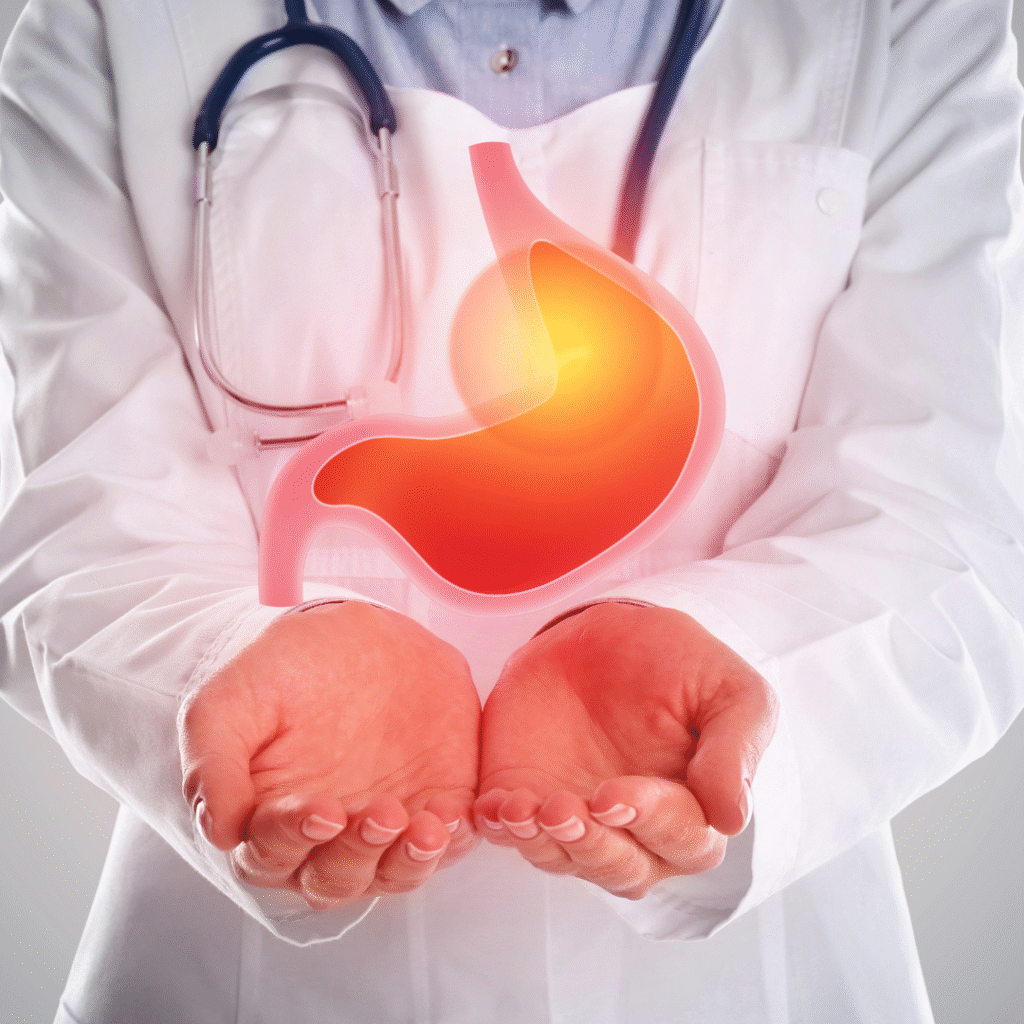
Gastritis and GERD Explained
Gastritis is the inflammation of the stomach lining, which can trigger pain, bloating, and acid secretion.
GERD (Gastroesophageal Reflux Disease) is a digestive condition wherein stomach acid regularly refluxes into the esophagus and, in extreme cases, the mouth.
These conditions can lead to the severe erosion of teeth as a result of acid damage.
How stomach acid affects your teeth
Corrosive stomach acid is an acid with a range of 1-2 in a pH level. To give an example, the pH level of acid that causes tooth enamel to dissolve is 5.5. This explains, when there is acid reflux, an eroding fluid is leaking, making its way to your teeth.
- Erosion often initially appears on the back surfaces of the upper front teeth.
- Enamel abrasion gradually reveals the sensitive dentin underneath, which is soft and less protective than enamel.
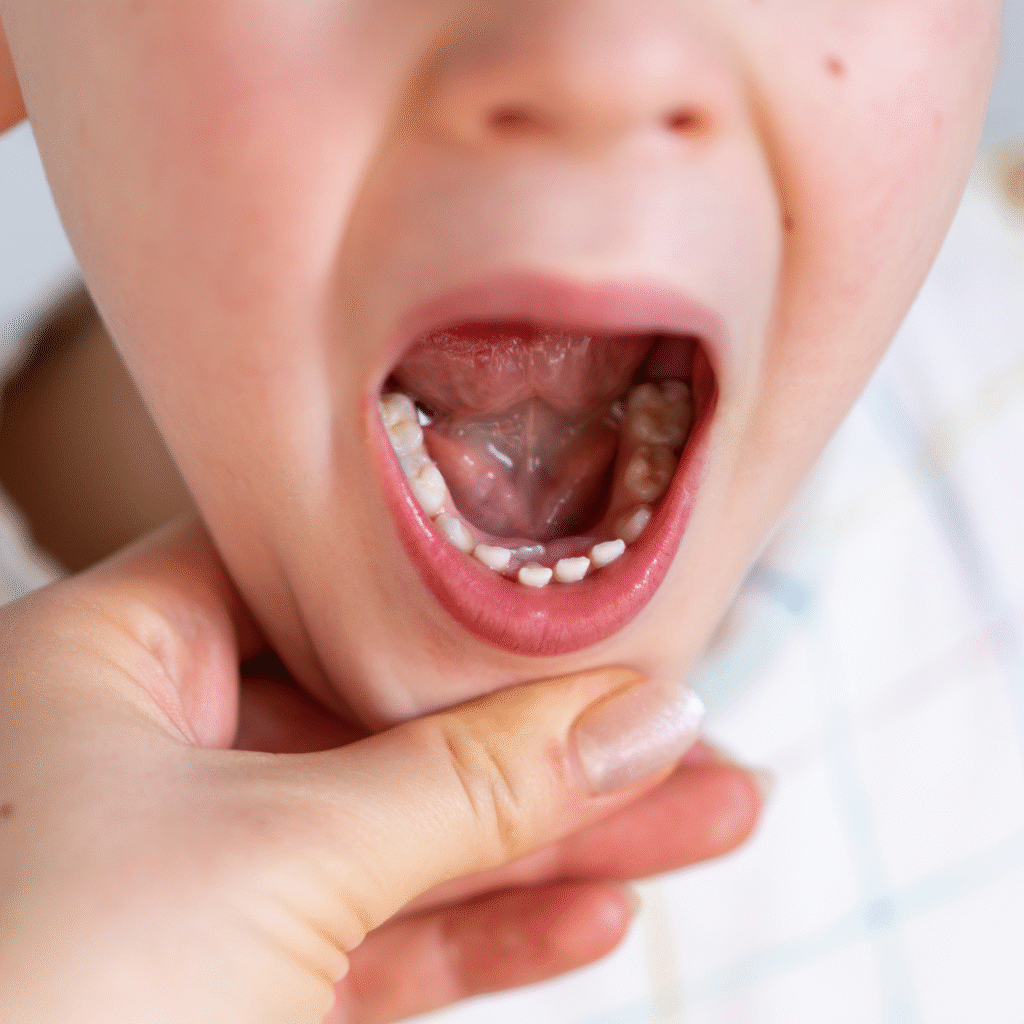
Enamel Erosion Consequences
- Loss of Defense – Defenseless teeth no longer have any means of protection after losing their enamel.
- Sensitivity – Discomfort is triggered by hot, cold, sweet, or acidic foods as dentin becomes exposed.
- Aesthetic Changes – Enamel loss can make teeth appear thinner, or more translucent and yellow.
- Increased Cavities – There is an increased chance of tooth decay if the teeth are weak and defenseless.
- Restorative Dental Work – Erosion can get so bad that fillings, crowns, or veneers will have to be added surgically to complete the teeth.
Symptoms
- Severe or frequent heartburn.
- Sensitivity to hot, cold, or sweet foods.
- Worn-down or yellowing teeth.
- Chips or indentations on the teeth.
- Roughness on the insides of the front teeth.
These signs, combined with digestive concerns, warrant a consult with a dentist and a doctor.
Tips for Tooth Care with GERD Acids
Whenever possible, correct the gastritis or GERD so that less acid is formed.
- To minimize the acid after the reflux, rinse with clear water or a mouth rinse.
- Do not brush teeth immediately after a reflux. Wait at least 30 minutes. Brushing too soon will damage softened enamel.
- Use fluoride toothpaste and mouthwash to enable remineralization of the enamel.
- See the dentist regularly so that he may check for and correct the early stages of erosion.
- Change the diet. Spicy, fatty, or acidic foods aggravate the reflux.
- Reduce reflux at night by elevating the head during sleep.
Conclusion
It may be surprising to discover that there is a close connection between teeth and the stomach. GERD or chronic gastritis may affect your teeth while causing distress to your digestion. Early treatment of reflux will give your teeth protection from permanent damage and retain your beautiful smile.