
Share A Smile

Dental Services

dental clinic in kerala

Preserving Your Perfect Smile: Secrets to Extending the Life of Dental Implants!

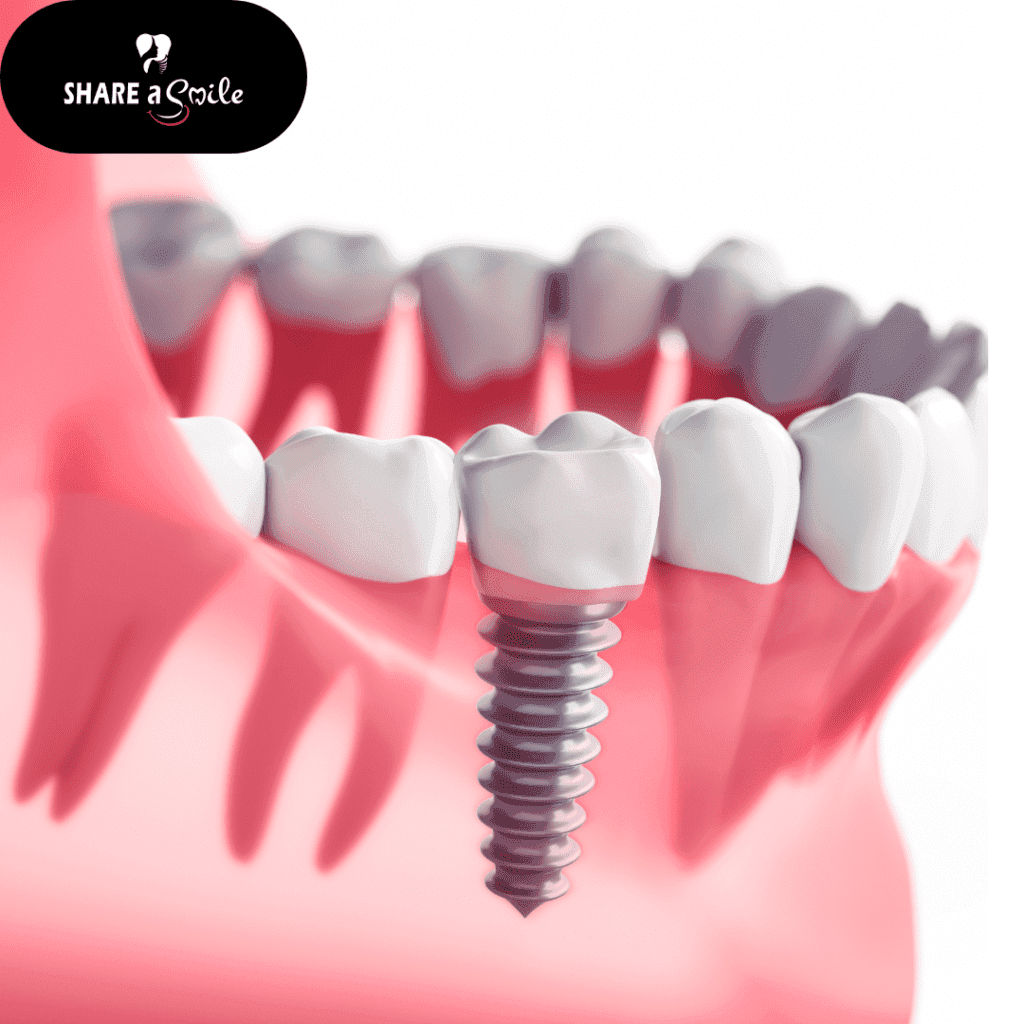
Welcome to our ultimate guide on how to extend the life of your dental implants! Dental implants are an incredibly valuable investment in oral health, providing a long-lasting solution for missing teeth. Keep your implants healthy so they’ll last you a long time.    Here, we will explore the best practices and habits to help you maintain your dental implants and maximize their lifespan. Let’s look at how you can extend the life of your dental implants! Understanding Dental Implants Dental implants are a remarkable solution for replacing missing teeth. These are placed in jawbones to support a replacement tooth or bridge. The process of getting this is a comprehensive one, involving several important steps. It all begins with a thorough examination, where the dentist assesses the patient’s oral health and determines if they are a suitable candidate for implants. A dental implant is a True solution for missing teeth, and it can last a lifetime if properly maintained and cared for. As a result of their long-term durability, implants have become a popular choice among patients and dentists alike. Additionally, implant-supported dentures are an excellent alternative for individuals who have lost their teeth. These dentures provide a more stable and secure solution than traditional dentures, thanks to the support of dental implants What are dental implants? https://shareasmiledental.com/wp-content/uploads/2023/12/Dental-implants-require-no-alteration-to-neighboring-teeth-unlike-other-tooth-replacement-options.-Dental-implant-success-rates-are-high-ranging-from-90-95.-This-level-of-predictability-makes-i.mp4 These require no alteration to neighboring teeth, unlike other tooth replacement options. Dental implant success rates are high, ranging from 90-95%. This level of predictability makes it one of the most successful procedures in dentistry.    Besides restoring your smile,  implant also play a crucial role in preserving your facial structure. Tooth loss results in bone loss in the jaw, weakening the surrounding structure. Dental implant help prevent this bone loss, ensuring your jaw remains strong and intact. The benefits of dental implants Dental implant offer many benefits beyond filling in the gaps in your smile. These remarkable dental prosthetics look, feel, and function like natural teeth, providing improved comfort and confidence. With implants, you can enjoy your favourite foods without any restrictions or discomfort. Unlike removable dentures, which may slip or shift while eating, dental implants are firmly secured in place, allowing you to bite and chew with ease. The best part is with proper care and maintenance, and implants can last a lifetime, eliminating the need for frequent replacements or adjustments. This long-term durability makes them a cost-effective solution for tooth replacement. However, implants go beyond aesthetics and functionality. They also play a crucial role in maintaining overall oral health. By preserving bone density in the jaw, implant helps to prevent further tooth loss and preserve the integrity of your facial structure. Caring for Your Dental Implants https://youtu.be/sixlGdaT4cs?si=n1TszjQ-z7RTo3Ut Brush your implants twice daily with a soft-bristled toothbrush to keep them healthy. It will help remove any plaque or bacteria that may accumulate on the surface of the implants, ensuring their cleanliness and longevity. Regular dental visits in every 9 months are crucial for the maintenance of your dental implants.    Your dentist will check the condition of the implants and perform professional cleaning to ensure their longevity. These routine check-ups are essential for identifying any potential issues early on and addressing them promptly. Additionally, your dentist can provide further guidance on proper oral hygiene practices specific to your implants, ensuring that you take the best care of them. Oral hygiene practices for dental implants Dental implants require a comprehensive cleaning routine to maintain good oral hygiene. In addition to regular brushing and flossing, there are some additional steps you can take to ensure the longevity of your implants. An antimicrobial mouthwash recommended by your dentist can help reduce bacterial growth and plaque buildup, keeping your implants clean and healthy.   Frequent brushing with fluoride toothpaste is also crucial in preventing cavities around your implants. Be sure to brush all implant surfaces thoroughly to remove any food particles or bacteria. To clean hard-to-reach areas, consider utilizing interdental brushes or water flossers. These tools can effectively remove debris from areas where regular flossing may be challenging.    Lastly, gently massaging your gums using a soft-bristle toothbrush or silicone finger brush can promote blood circulation and prevent gum inflammation, ensuring the overall health of your dental implants.   Choosing the right toothbrush and toothpaste When caring for your implants, selecting the right toothbrush is crucial. It will help prevent damage to the implant surface and minimize the risk of irritation. Additionally, it is recommended to use toothpaste specifically designed for use with dental implants. These toothpastes are low-abrasive, ensuring they won’t harm the implant surface. Some individuals may find it beneficial to use an electric toothbrush with a small, rotating head. This type of toothbrush can provide more effective cleaning around dental implants compared to manual brushing. However, it is important to consult your dentist about which toothpaste is most suitable for you. They can consider factors such as tooth sensitivity or personal preference when recommending the best toothpaste for dental implants Flossing techniques for dental implants Make flossing part of your daily routine to keep your implants healthy. Firstly, it is recommended to use unwaxed floss or specialized implant floss that is thin and flexible. This floss helps prevent any damage to the implant or surrounding tissue. When flossing, gently slide the floss up and down along the sides of each implant, being careful not to snap or force the floss, as this can cause harm.    For an alternative to traditional flossing, consider using a water flosser with an orthodontic attachment. The pulsating water stream can dislodge food particles and bacteria from hard-to-reach areas. If you encounter difficulties or have concerns about flossing around your dental implants, don’t hesitate to consult your dentist. They can guide alternative cleaning methods to ensure the longevity and health of your implants. How smoking affects dental implants Smoking can have a detrimental effect on the health and longevity of your dental implants. The chemicals and toxins in cigarettes not only reduce blood flow to

Preserving Your Perfect Smile: Secrets to Extending the Life of Dental Implants! Read More »

TMJ Disorder treatment in pandalam

The Ultimate Guide to Understanding and Managing TMJ Disorder

Welcome to Share A Smile’s The Ultimate Guide to Understanding and Managing TMJ Disorder! If you or someone you know has been experiencing jaw pain, difficulty chewing, or frequent headaches, then you’re in the right place.   This comprehensive guide explores TMJ disorder, also known as temporomandibular joint disorder, to help you gain a better understanding of its causes, symptoms, Whether you’re a dental professional or someone seeking relief from TMJ-related discomfort, the information in this guide will help you effectively manage this condition.   So, Empower yourself with insights into managing TMJ-related discomfort for a healthier, pain-free lifestyle!!   What is TMJ Disorder? Temporomandibular Joint Disorder (TMJ Disorder) which affects the jaw joint and surrounding muscles. It is characterized by pain, stiffness, and difficulty in moving the jaw.   It can be caused by several things, such as injury to the jaw joint, teeth grinding or clenching, arthritis, or misalignment of the jaw. As a result, individuals may experience symptoms like facial pain, headache, earache, and clicking or popping sounds in the jaw joint.   It is essential to understand and manage TMJ Disorder effectively to alleviate these discomforts and improve overall oral health. Causes Various factors can contribute to the development of this disorder. One common cause is trauma or injury to the jaw joint. It could occur due to accidents or any kind of impact on the face.       Another factor that can worsen this disorder is bruxism, which is the habit of teeth grinding and excessive clenching of the jaw. The continuous strain on the jaw joint can lead to pain and discomfort.      Additionally, misalignment of the teeth and jaws can also play a significant role in the development of this disorder. When the jaws do not align properly, it puts stress on the temporomandibular joint, resulting in discomfort.       Lastly, arthritis in the temporomandibular joint can contribute to TMJ Disorder.  Pain and difficulty moving the jaw can be symptoms of inflammation and deterioration of the joint.      Understanding these factors can help in the management of the disorder and prevent further complications. Symptoms Common symptoms of this disorder range from person to person but may include jaw pain or tenderness. It may range from mild to severe, and it may worsen with certain activities like chewing or speaking.      Another symptom to watch out for is the locking of the jaw joint, where it becomes difficult to open or close your mouth fully.       Additionally, some individuals may experience headaches, earaches, or even ringing in their ears as symptoms of this disorder.       These symptoms may come and go or persist over time, and it’s important to address them to effectively manage TMJ Disorder. Diagnosis To diagnose TMJ disorder, a medical professional will start by conducting a comprehensive physical examination. They will carefully assess the jaw joint and surrounding muscles to identify any signs of inflammation, tenderness, or limited movement.      This examination is crucial in determining the extent and severity of the condition. For a better understanding of the condition of the temporomandibular joint, medical tests such as X-rays or MRI scans may be necessary.      An imaging test can provide detailed images of the jaw joint, allowing the healthcare provider to identify any abnormalities or damage. Your medical history and symptoms will also play a significant role in the diagnostic process. It is important to provide your healthcare provider with information about any previous injuries or conditions that may have contributed to the development of this disorder.       Moreover, discussing your symptoms in detail can help the medical professional in making an accurate diagnosis. In some cases, a consultation with a dental specialist may be recommended to further evaluate your condition. An expert in TMJ disorders will be able to assess the alignment of your teeth and jaws.      Working together, these medical professionals will gather all the necessary information to diagnose this disorder and develop an appropriate treatment plan.   Dental examinations Various aspects of your oral health will be assessed during a dental examination for TMJ disorder. They will not only evaluate your bite alignment and tooth wear patterns but also use clinical measurements and imaging techniques to evaluate the position and movement of your jaw joints.      In certain cases, they may even take dental impressions or moulds of your teeth to create custom orthotic devices that can provide symptom relief. This comprehensive approach ensures that we consider and address all potential factors contributing to your TMJ disorder for effective management. Treating TMJ Disorder You can effectively manage TMJ disorder through various treatment methods. Self-care techniques play a crucial role in managing this condition, and practising good oral hygiene is one of them. Additionally, professional treatment options are available for those with more severe cases.  Self-care techniques for TMJ Disorder Several self-care techniques can be highly beneficial in managing this disorder. One effective technique is to apply warm or cold compresses to the jaw area. It can help reduce inflammation and alleviate pain, providing much-needed relief.     Meditation or deep breathing exercises are also helpful relaxation techniques. These techniques can help relax the jaw muscles and reduce stress-related symptoms associated with this disorder.   Additionally, it’s important to be mindful of your diet and avoid foods that are hard to chew or require excessive jaw movement.  It means steering clear of chewing gum or tough meats, as they can aggravate TMJ symptoms. Lastly, maintaining good posture and avoiding clenching or grinding your teeth can contribute to better management of TMJ disorder. By implementing these self-care techniques, individuals can improve the quality of their lives.   Professional Treatment Options for TMJ Disorder If self-care techniques do not provide sufficient relief, seeking professional treatment options for TMJ disorder may be necessary. A dentist or oral surgeon can prescribe a splint or mouthguard to relieve TMJ disorder symptoms. These custom-made devices can provide support and prevent clenching or grinding of the teeth, reducing the strain

The Ultimate Guide to Understanding and Managing TMJ Disorder Read More »

Dental Clinic in Pandalam

Early dental visits for kids: what’s the right age?

Taking care of your child’s dental health is crucial for their well-being. Establishing good oral hygiene habits early on sets the foundation for a lifetime of healthy teeth and gums. One question often arises is when is the best time to take your child for their first dental visit. Let’s take a look at why early dental visits for kids are important and what age is ideal for that first trip to the dentist. Why Early Dental Visits Are Important Early dental visits play a crucial role in maintaining the overall oral health of your kids. The visits help identify potential dental issues early and prevent them from becoming more serious. Teeth decay, and cavities can be detected early with regular checkups, allowing dentists to treat them promptly. Moreover, early dental visits help establish a positive relationship between children and their dentist.  By reducing anxiety and fear, children are more likely to seek dental care in the future. Children can develop good oral hygiene habits by visiting the dentist regularly at a young age. Preventing dental issues through Early Dental Visits Regular dental cleanings and exams during early dental visits are crucial in preventing the buildup of plaque and tartar. By having regular cleanings, dentists can remove the plaque and tartar that cannot be removed by brushing and flossing alone. Additionally, fluoride treatments provided during these visits can strengthen the enamel of the teeth, making them more resistant to decay. It is especially important for kids who may still need to develop proper brushing and flossing techniques. Another preventive measure that can be taken during early dental visits is the application of dental sealants. These sealants provide an extra layer of protection against cavities by sealing off the deep grooves of the back teeth. It is particularly beneficial for children with difficulty reaching and cleaning these areas properly. Identifying malocclusions or bite problems early on is also important. It allows for timely orthodontic interventions that can prevent more extensive treatment in the future. By addressing bite problems early, children can avoid complications such as difficulty chewing, speech issues, and jaw pain.  Early dental visits allow dentists to identify these issues and provide appropriate interventions on time.   Establishing good oral hygiene habits From Early Dental visits Dental visits encourage children to practice good oral hygiene habits, such as brushing and flossing twice daily. During these early dental visits, dentists can educate parents about proper nutrition for healthy teeth and gums.  Dentists need to discuss the impact of sugary snacks and drinks on oral health. Dentists can also teach children good brushing techniques and educate parents at early dental visits.   By instilling these habits from an early age, children can develop a strong foundation for maintaining good oral health throughout their lives. When should you schedule your child’s Early Dental Visits? It is highly recommended to schedule your child’s first dental visit by the age of one. Starting early with dental visits is crucial for their oral health and development. Your child will also benefit from a positive relationship with the dentist, which will lead to earlier detection of oral health issues. Regular dental check-ups can help your children develop good oral hygiene habits for life. The Recommended Age for the Early Dental Visits The recommended age for the first dental visit is when your child turns one year old. At this age, most of their baby teeth have erupted, and it is important to start monitoring their oral health. The first dental visit allows the dentist to assess the development of your child’s teeth and jaws. It is during this visit that any potential dental issues can be identified and addressed early on. Additionally, early dental visits allow parents to ask questions about their child’s oral health and receive guidance on proper care. Parents can gain valuable information about teething, brushing techniques, and nutrition to ensure their child has a healthy mouth. Parents can play a big role in their kids’ oral health by taking them to the dentist early. Signs that your child may need an early dental visits   A child experiencing tooth pain or sensitivity may need an earlier dental visit. Taking care of cavities and tooth decay early on is crucial for your child’s oral health. If you observe bleeding gums, bad breath, or persistent thumb sucking, you should consult a dentist immediately. These symptoms could be indicative of gum disease or other oral health issues that require professional attention.   Additionally, if your child has difficulty chewing or swallowing food, it is important to seek a dental evaluation. It could be a sign of bite problems or malocclusions that must be addressed promptly. Lastly, any abnormalities in the growth or alignment of teeth should prompt parents to seek an earlier dental evaluation.   Identifying and treating these issues early can prevent more extensive treatment in the future and promote proper oral development for your child. What to Expect During Your Child’s Early Dental Visits During your child’s first dental visit, the dentist will go out of their way to ensure that your child feels comfortable and at ease. They understand that this may be a new and potentially intimidating experience for your child, so they will take the time to create a friendly and welcoming environment. The dentist will likely ask you about your child’s oral health history and any concerns you may have.    It is your opportunity to share any relevant information and address any worries you may have about your child’s dental health. The dentist will then conduct a visual examination of your child’s teeth and gums. This examination is important to check for any signs of decay or other dental issues requiring attention.    Depending on your child’s age and comfort level, the dentist may gently clean or apply a fluoride treatment. These procedures are aimed at promoting good oral hygiene and preventing future dental problems. The dentist will take the necessary steps to ensure that every aspect of your child’s

Early dental visits for kids: what’s the right age? Read More »

Root Canal Treatment in adoor, Pathanamthitta

Root Canal Treatments: Not as Scary as You Think!

Root canal treatments are often considered one of the most painful dental procedures, but this is not the case. Root canal treatments can be surprisingly comfortable and even painless. This blog post will discuss why root canals are not as painful as commonly believed and how the process has improved. Introduction – What is root canal treatment, and why is it necessary?  Overview of root canal treatment process.  Why do root canals hurt??  Benefits of root canal treatment. Overview of modern root canal treatments.  Types of anesthesia available during root canal treatment.  Advantages of modern anesthesia techniques for root canal treatment.  Tips for making root canal treatments easy.  Here’s how to keep your teeth healthy after root canals. Conclusion. What is root canal treatment, and why is it necessary? A root canal can save a tooth severely damaged by decay, trauma, or infection. It is a very important procedure because the alternative is to have the tooth extracted, which can negatively affect your oral health. https://youtu.be/AuB05lle7sI?si=ciTPhCMXK4YIfy38 Treatment for root canals includes: Cleaning the tooth after removing the infected or damaged pulp. Shaping. Sealing the root canals of the tooth. This procedure saves the tooth and prevents further infection or damage. The root canal process can be intimidating for some people, but it’s crucial for saving a tooth from extraction.  During the procedure, your dentist will ensure you’re comfortable and provide you with all the necessary information. Once we have cleaned and sealed the root canals, we restore the tooth to its original shape and function, and you can go back to eating, chewing, and smiling without any pain or discomfort. A root canal can restore a damaged tooth to its original function. Keeping your teeth clean and getting regular checkups can help prevent root canals. If you need a root canal, seeing your dentist as soon as possible is important to save the tooth and prevent further damage. Share A Smile Dental Clinic in Pandalam is always here to help you! Overview of root canal treatment process. The root canal is a straightforward and effective way to save a tooth. In the process, an endodontist, or root canal specialist, removes the infected or damaged pulp from inside the tooth. The endodontist then cleans and disinfects the inside of the tooth and may place a filling or medication to protect it. The process often takes two or more visits, but it can save you from tooth extraction.  Getting a root canal starts with diagnosing it. Your endodontist will examine the tooth, take X-rays, and do a few other tests to determine the extent of the damage. Once the diagnosis is complete, the endodontist will begin the root canal treatment.  During the root canal procedure, the endodontist will make a small opening in the top of the tooth, allowing access to the inner chamber and pulp. The endodontist removes the infected or damaged pulp with special instruments. Then, they clean and disinfect the area and may fill it with a special medicated material. The endodontist places a crown or permanent fillings to protect the tooth. The root canal treatment process is typically not painful; most patients report feeling little to no discomfort during the procedure. After the treatment, you may need to take medication for a few days to help reduce inflammation. You can keep your restored tooth for a lifetime with proper care. Root canals can save infected or severely damaged teeth. Discuss root canal options with your dentist or endodontist. Why do root canals hurt? Root canal treatment can be a cause of pain for some people. It is because the treatment involves drilling into the tooth to access the root of the problem and remove any damaged tissue. A few things can contribute to pain during root canal treatment: The drilling process can be uncomfortable, as it is more invasive than other dental treatments. The dentist may need a special solution to open the tooth and access the root canal. This solution can cause a burning or stinging sensation in the affected area. The root canal can be sensitive due to infection or decay, which can cause pain during the treatment.  It is important to note that pain during root canal treatment is not something that should be expected. Most people don’t experience any pain at all during the procedure. Your dentist will likely provide some sedation or pain relief to help ease any discomfort that may arise. If you experience any pain during the procedure, be sure to tell your dentist to adjust the treatment accordingly. Remember, root canal treatment is necessary to protect oral health and should be taken seriously. If you have any questions about the potential pain during the procedure, don’t hesitate to ask your dentist. Benefits of root canal treatment Root canals have a lot of benefits, but the most important one is pain relief. Once the infected pulp and nerve are removed, you won’t feel any pain or discomfort associated with the tooth. Additionally, root canal treatment will help prevent the spread of infection from the damaged tooth to other teeth and parts of your body.  Getting a root canal treatment also means you don’t have to worry about getting your tooth extracted. This treatment helps to save your tooth rather than having it removed. It also helps you keep a healthy mouth by restoring your natural teeth’ shape and form.  Finally, a root canal treatment can also help to improve your overall health. Because removing the pulp and nerve will help prevent bacteria from spreading into your bloodstream. If you’re experiencing pain and discomfort from a damaged tooth, consider getting a root canal treatment from Share A Smile dental clinic in Pandalam to help you get relief and restore your healthy smile. Types of anesthesia available during root canal treatment. Local Anesthesia: The most common type used, it numbs the specific area around the tooth undergoing treatment. Conscious sedation General Anesthesia: General Anesthesia is rarely used for root canals, as it

Root Canal Treatments: Not as Scary as You Think! Read More »