
Do All Root Canal Teeth Need a Cap?
So, you’ve just had a root canal, or maybe you’re about to get one, and now you’re wondering: does every tooth that gets a root canal need a cap (crown)? Here’s the real answer: not always, but honestly, most do. Let’s get into why that is.
Why Dentists Recommend a Crown After a Root Canal
Once a dentist removes the infected pulp from inside your tooth, that tooth loses a lot of its natural strength. It’s not “alive” like before, which makes it much more likely to crack, especially when you’re eating something tough. A crown covers the tooth and brings back its strength and shape. Here’s what a crown actually does for you:
- It shields the tooth from breaking.
- It lets you chew normally again.
- It helps keep infection out.
- It makes the tooth look normal.
- It helps your tooth last way longer.
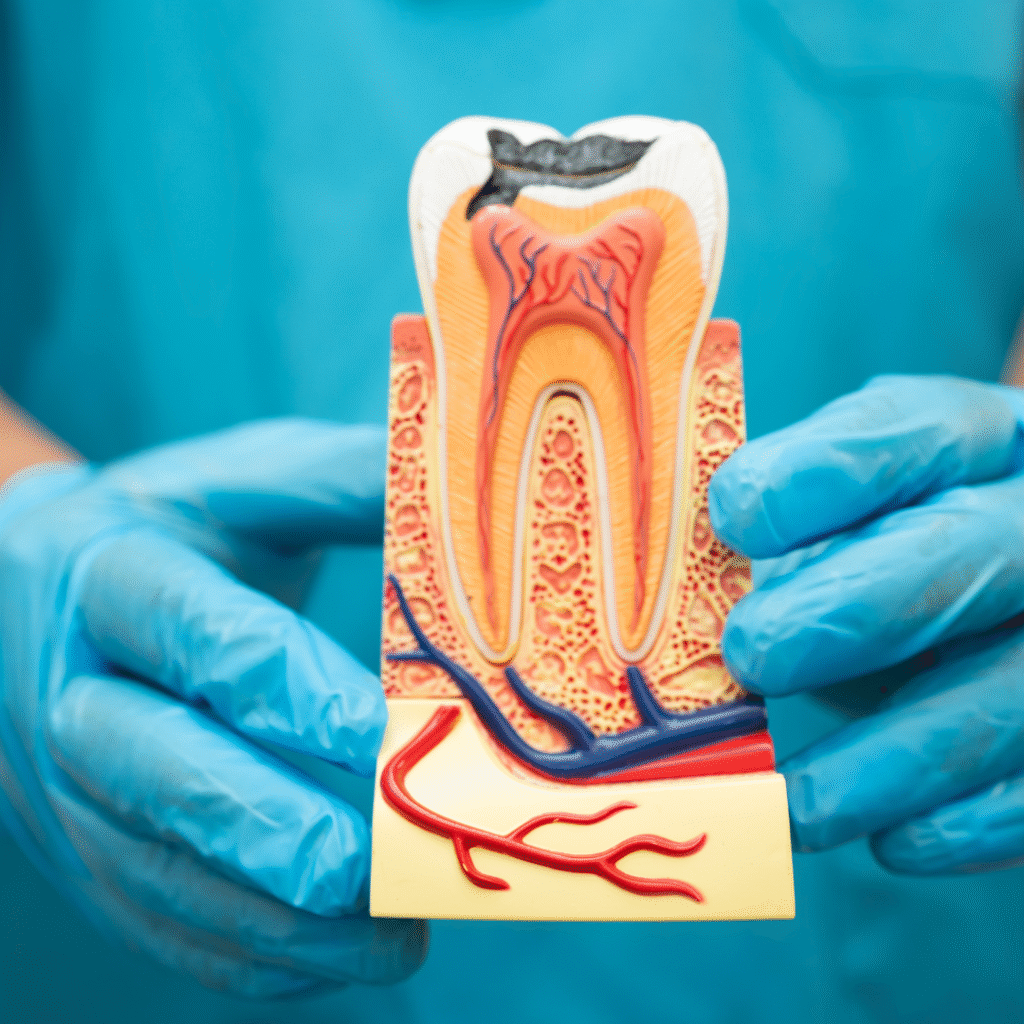
When a Crown Is a Must
Dentists almost always suggest a crown in these situations:
- Back teeth — like molars and premolars — do most of the heavy chewing. Without a crown, they’re sitting ducks for cracks.
- If the tooth has a giant filling or lots of damage, there’s just not enough real tooth left. A crown gives it support.
- If the tooth is cracked or the enamel is weak, a crown holds everything together.
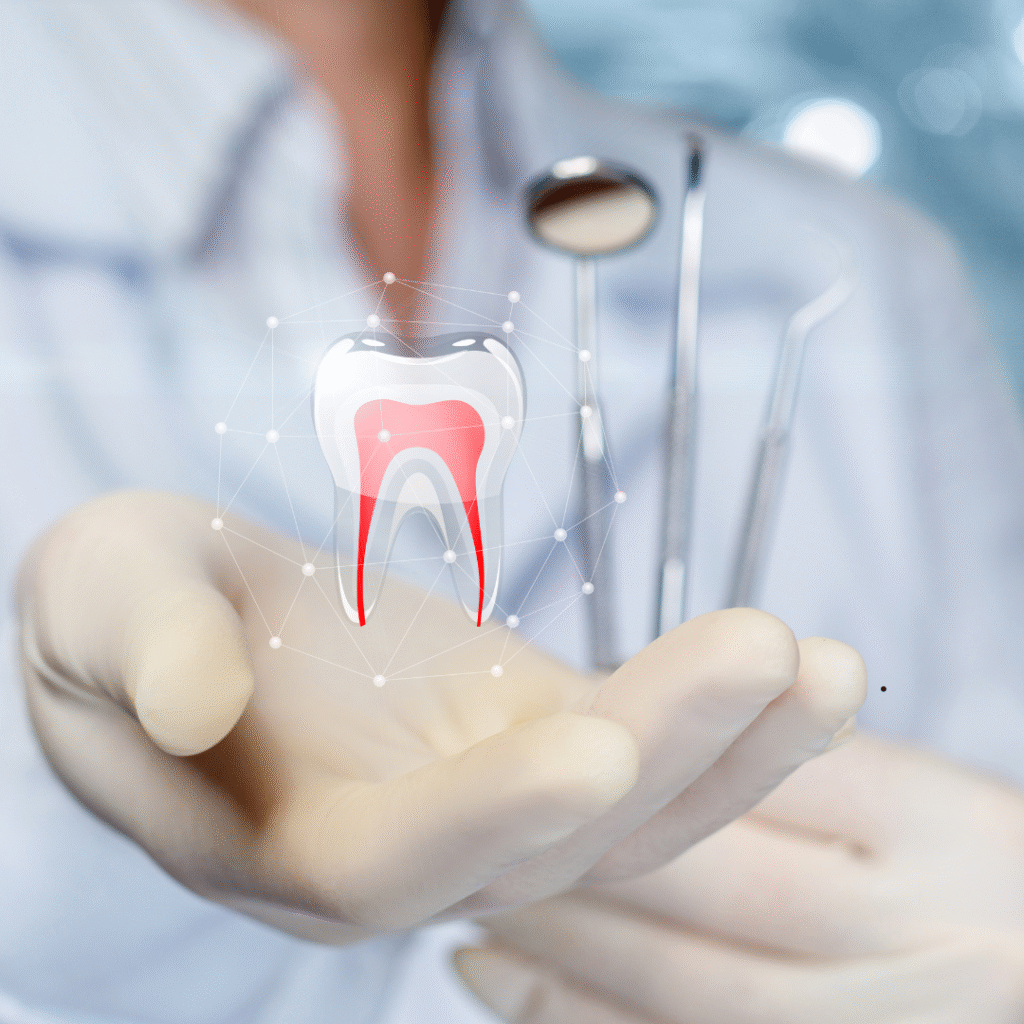
When You Might Get Away Without One
Sometimes, you can skip the crown:
Front teeth (incisors and canines) don’t take the same beating as your back teeth. If most of the tooth is still there, a strong filling might do the trick.
If the damage was minor and your dentist didn’t have to remove much tooth, a filling could be enough.
Still, even with front teeth, dentists might recommend a crown for extra protection over time.
What Happens If You Skip the Crown?
Honestly, it’s risky to ignore your dentist’s advice here. Without a crown when you really need one, you’re looking at:
- A broken tooth that might have to be pulled
- Pain or weird sensitivity
- Bigger, pricier fixes down the road
A lot of teeth that break after a root canal can’t be saved.
Conclusion
While not all root canal–treated teeth require a cap, most do—especially back teeth that endure strong chewing forces. A dental crown acts as a protective shield, preserving the tooth’s strength, function, and longevity. Choosing to place a crown after a root canal can help you avoid complications and ensure your treated tooth lasts for many years.
The best course of action depends on the tooth’s location, condition, and remaining structure. Always consult your dentist to determine the most appropriate treatment for your individual needs and to protect your long-term oral health.