
Do All Root Canal Teeth Need a Cap? A Detailed Guide
One of the most advanced treatments in contemporary dentistry is root canal treatment. It preserves teeth that would otherwise require extraction because of infection or decay. Many patients who undergo a root canal are advised by their dentist to get a dental crown, but is that always the case? This step-by-step instruction will assist you in knowing when a cap is necessary and when it is not.
Root Canal Treatment: An Overview
Root canal (endodontic therapy) is a dental procedure done when the pulp or the innermost section of a tooth that houses nerves and blood vessels is affected or when it is damaged by infection or other factors.
- The procedure involves:
- Removing the infected pulp.
- Decontamination of the root canals.
- Stuff the canals with a biocompatible substance (typically gutta-percha).
- Covering the tooth to avoid reinfection.
The tooth is retained, but loses a part of its natural strength due to the removal of the pulp, thus it becomes easier to fracture.
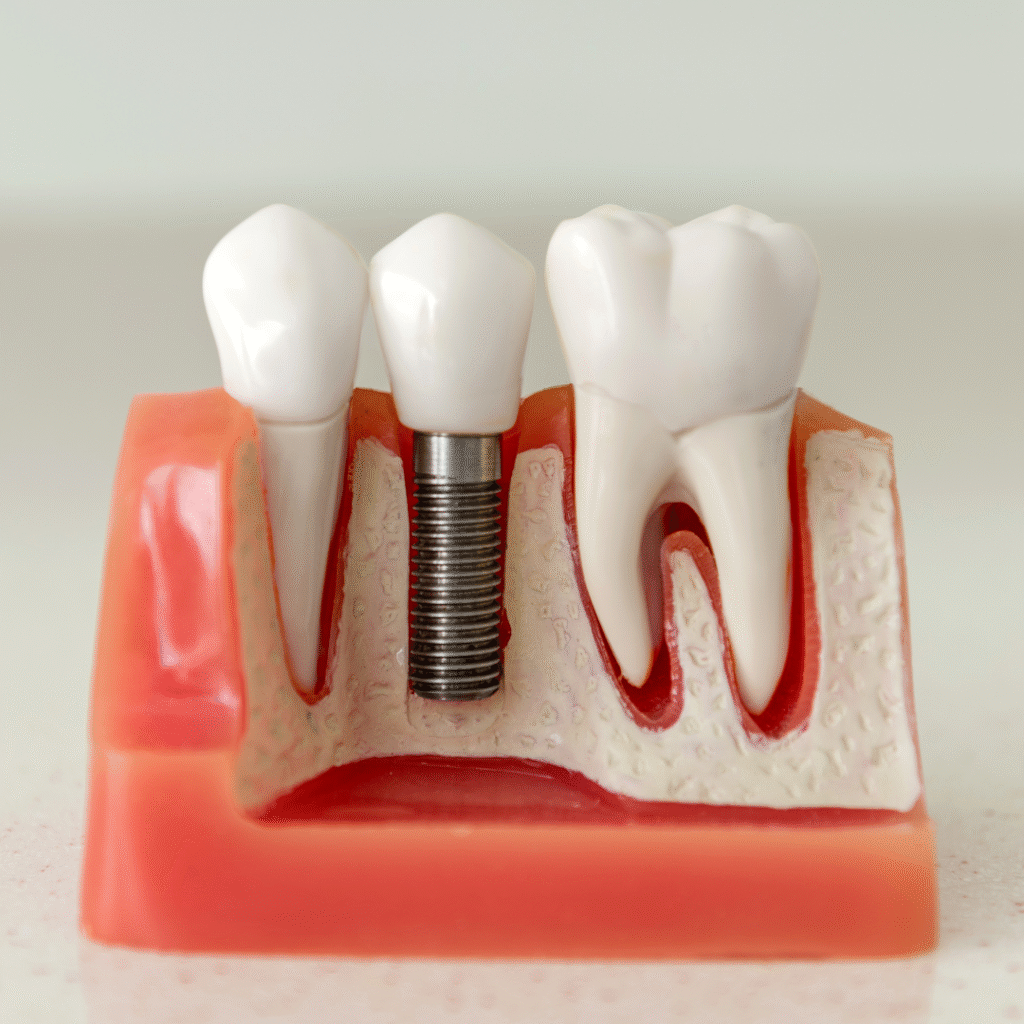
Why Dentists Often Recommend a Crown
A crown, or a cap, which is recommended by your dentist after a root canal, may be recommended because of the following reasons:
Strength and Protection
The teeth that have undergone a root canal are brittle. A crown serves as a sort of shield that keeps cracks or fractures that might destroy the tooth at bay.
Restoring Function
The crowns are shaped to fit in the normal size and shape of the tooth, and normal biting and chewing can be done without pain and destruction.
Preventing Decay
A crown completely covers the tooth, therefore reducing the chances of bacteria getting into the tooth and causing further infection.
Aesthetic Appearance
Crowns, especially front teeth, can enhance the appearance of the tooth through the restoration of the original color and shape of the tooth.
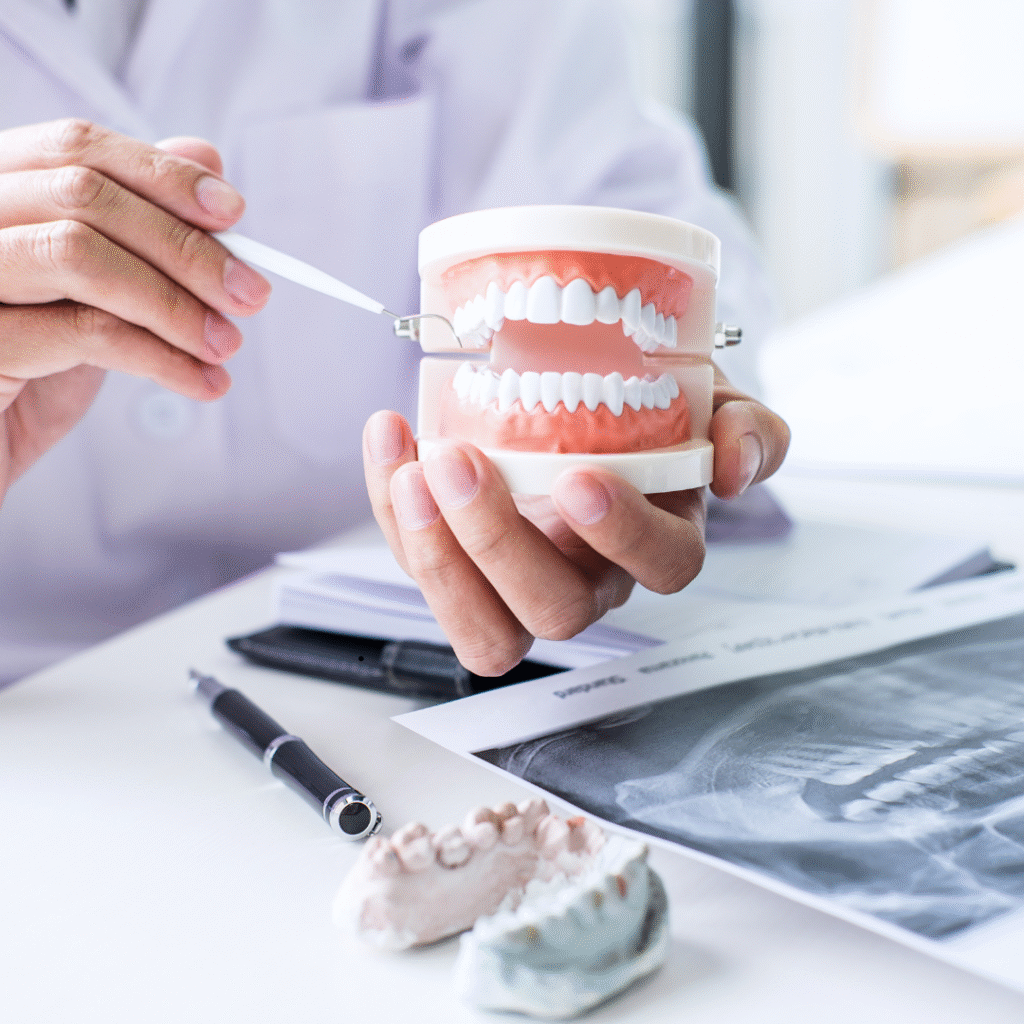
Do All Root Canal Teeth Need a Crown?
Not all teeth undergoing root canal treatment do not necessarily need a crown. The need is determined by several factors:
Tooth Location
Back teeth (molars and premolars): These are the teeth that have the highest chewing pressure, and in most cases, they may need a crown.
Front teeth (incisors and canines): These teeth bear a lesser amount of force, and thus, in some cases, filling or composite restoration is enough, provided that the tooth structure is in place.
The Tooth Structure remaining.
- Heavily decayed, fractured, or worn-out teeth are virtually in need of a crown.
- In case the tooth is structurally sound after treatment, then a simple filling could suffice.
Patient-Specific Factors
- Biting forces: Patients who grind or clench their teeth can require crowns in even their front teeth.
- Oral health: Healthy teeth may last longer without a cap, but a cap will be more secure.
Conclusion
Although not all root canal-treated teeth require a crown, the majority of teeth, in particular, the molars and premolars, are better and secure with one. The crowns protect the tooth against fracture, restore its functionality, and preserve its appearance. It is always best to consult your dentist and make the best choice in reference to the state of the tooth, its position, and your oral habits.