
Gum recession and gum recession treatment: What you should know.
Gum recession is a typical oral issue, and in most cases, it is not easily noticed until it begins to create an unpleasant or aesthetic problem. Sucking of gums makes the gums recede away leaving the tooth roots exposed. This may cause sensitivity, decay tendency, and even loss of teeth in case of non-treatment. The first step towards the protection of oral health is the understanding of the causes, symptoms, and treatment options.
What Is Gum Recession?
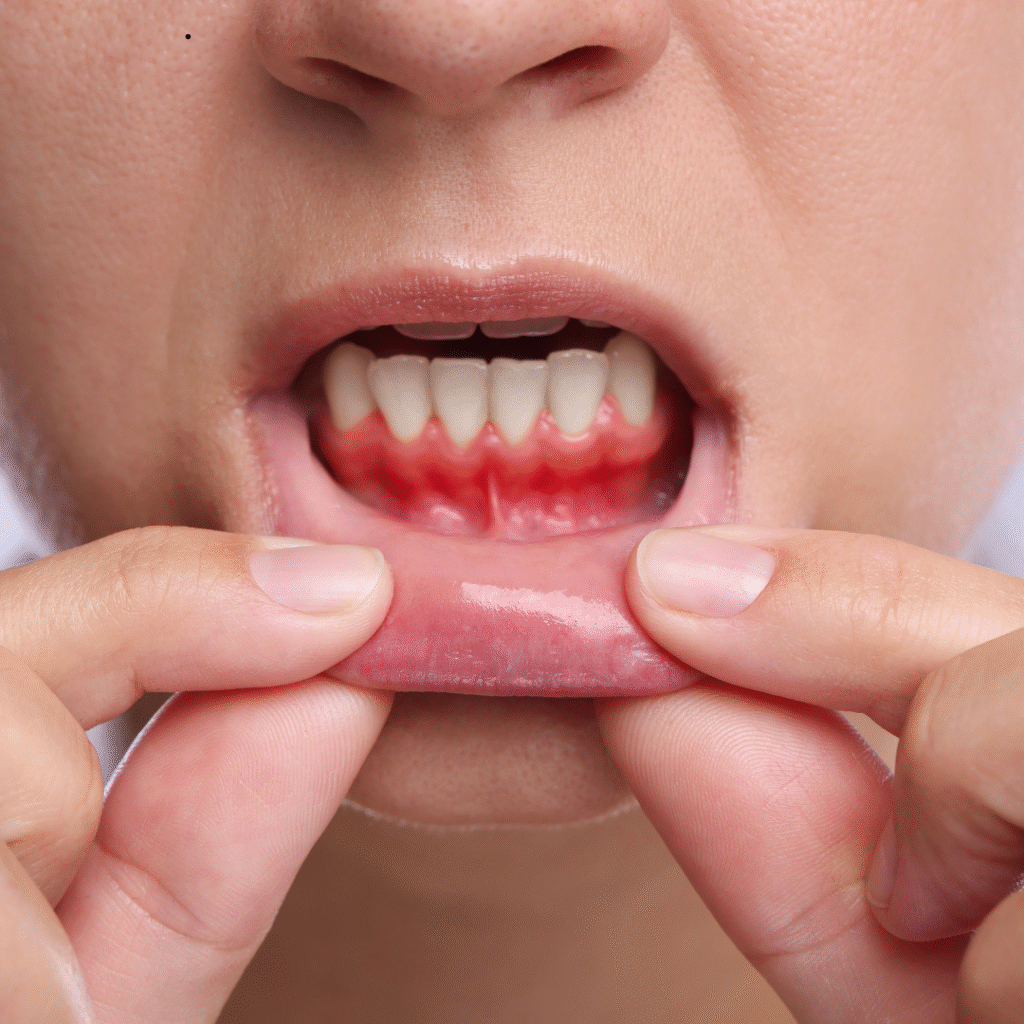
Gum recession is a condition that is caused by the wearing off or drawing back of the margin of the gum tissue surrounding the teeth. This exposes more of the tooth–or root–thereof. Tooth roots are more exposed, thus more susceptible to damage and sensitivity as they are not insulated with protective enamel.
Normal Causes of Gum Recession.
Receding gums can be caused by several factors, which include:
Ineffective oral care – Plaque may become hardened into tartar, which leads to lowering of the gums.
Rough brushing – Overbrushing or brushing with a hard-bristled brush.
Periodontitis (gum disease)- A bacterial infection that destroys gum tissue and bone.
Genetics – There are individuals who are genetically susceptible to gum recession.
Hormones How the gums – Pregnancy or menopause can make the gums more sensitive.
Grinding or clenching teeth – Causes unhealthy pressure on the teeth and gums.
Tobacco use – Tobacco is smoked or chewed, which weakens the gum tissue.
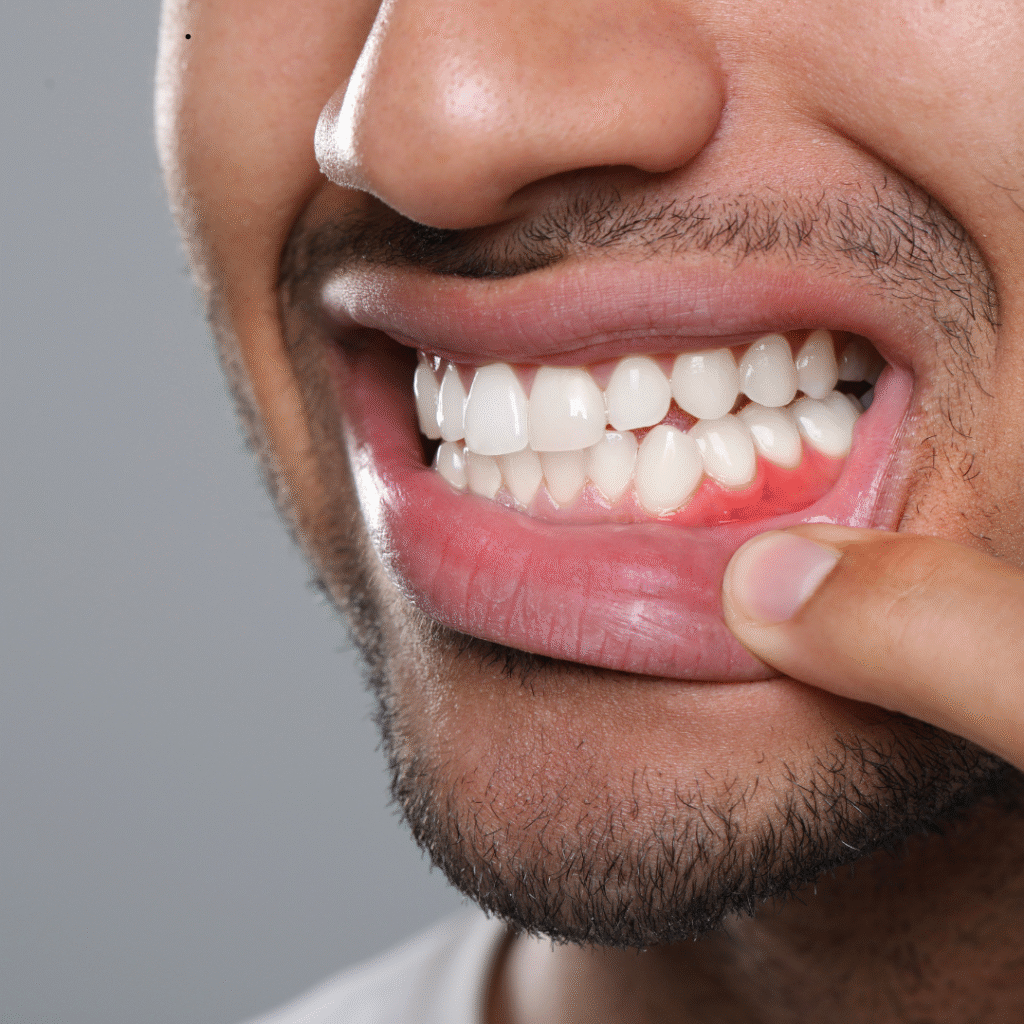
Indications and manifestations of Gum Recession.
- The recession of the gums is usually progressive. Watch out for these signs:
- of the teeth to hot, cold, or sweet foods.
- Longer than normal teeth.
- Visible tooth roots
- Bleeding, swollen, or tender gums.
- Notches near the gum line
- Bad breath or bad taste.
The Reason Gum Recession Should Not Be Ignored.
Left unattended, the gum recession may cause the following severe dental issues:
Increased tooth decay
- Tooth root damage
- Gum infections
- Bone loss
- Tooth mobility or tooth loss
The complications can be avoided by early diagnosis and therapy.
Therapy of Gum Recession.
Therapy is dependent on the severity and the cause of the condition.
Dental cleaning services of a professional category.
In minor cases, plaque and tartar formation can be removed through scaling and root planing, and the gums will recover.
Desensitizing Treatments
Sensitivity can be treated with special toothpaste or a fluoride treatment, or dental bonding that can help protect exposed roots.
Gum Grafting Surgery
In severe instances, the gum tissue can be cloned from a different part of the mouth and attached over portions of the roots that are exposed. This re-gum coats and enhances beauty.
Orthodontic Treatment
In case the misaligned teeth are a cause of gum recession, braces or aligners can be used to rectify the condition.
Home Care and Changes in Lifestyle.
- Take a soft-bristle toothbrush.
- Use soft brushing procedures.
- Floss daily
- Quit smoking or tobacco use
- Consider wearing a night guard to prevent grinding your teeth at night.
Is Gum Recession Preventable?
Though not all of the causes can be avoided, gum recession can be prevented by:
Eating well and keeping teeth clean.
- Seeing your dentist regularly.
- Having correct brushing and flossing.
- The early treatment of gum disease.
- Handling other habits, such as teeth grinding.
When to See a Dentist
In case you find gum being sensitive, exposed roots, or a difference in the look of your gums, then you must visit a dentist as soon as you can. Early intervention will save your teeth and enhance their overall health of your teeth.
Conclusion
Gum recession is a severe yet treatable disorder. When you have early detection, treatment and good oral care habits, then your gums are safe, and you will be smiling beautifully and confidently. When you suspect that you have been receding your gums, do not put it off, book an appointment with your dentist and get control of your receding gums today.