
Is Tooth Whitening Right for You? A Complete Guide for a Brighter, Healthier Smile
Tooth whitening is one of the most requested cosmetic dental procedures worldwide. Everyone loves the confidence that comes with a bright, radiant smile — but not everyone is a suitable candidate for whitening. Before you book an appointment or try an at-home whitening kit, it’s important to understand who can safely and effectively undergo tooth whitening.
In this article, we’ll explain in detail the conditions you must meet before whitening, who should avoid it, and how to prepare your teeth for the best possible results.
Only Natural Teeth can be whitened
Treatment of tooth whiteness only works with natural tooth enamel. The bleaching solutions involve stains on the surface of the natural teeth, which are broken down by the whitening agents used, which are most of the time the hydrogen or carbamide peroxide.
Nevertheless, artificial materials, including: are not changing with these agents.
Dental crowns
Veneers
Bridges

1. Composite nicotine-filling or bonding.
In case you possess any of these restorations in visible parts of the body, then whitening can result in uneven coloring of the natural and artificial teeth. In these situations, the dentist may advise you to replace the old formulations of restorations after completing the whitening process to match the new shade of your teeth.
In short, Whitening works only with natural teeth, but not artificial ones.
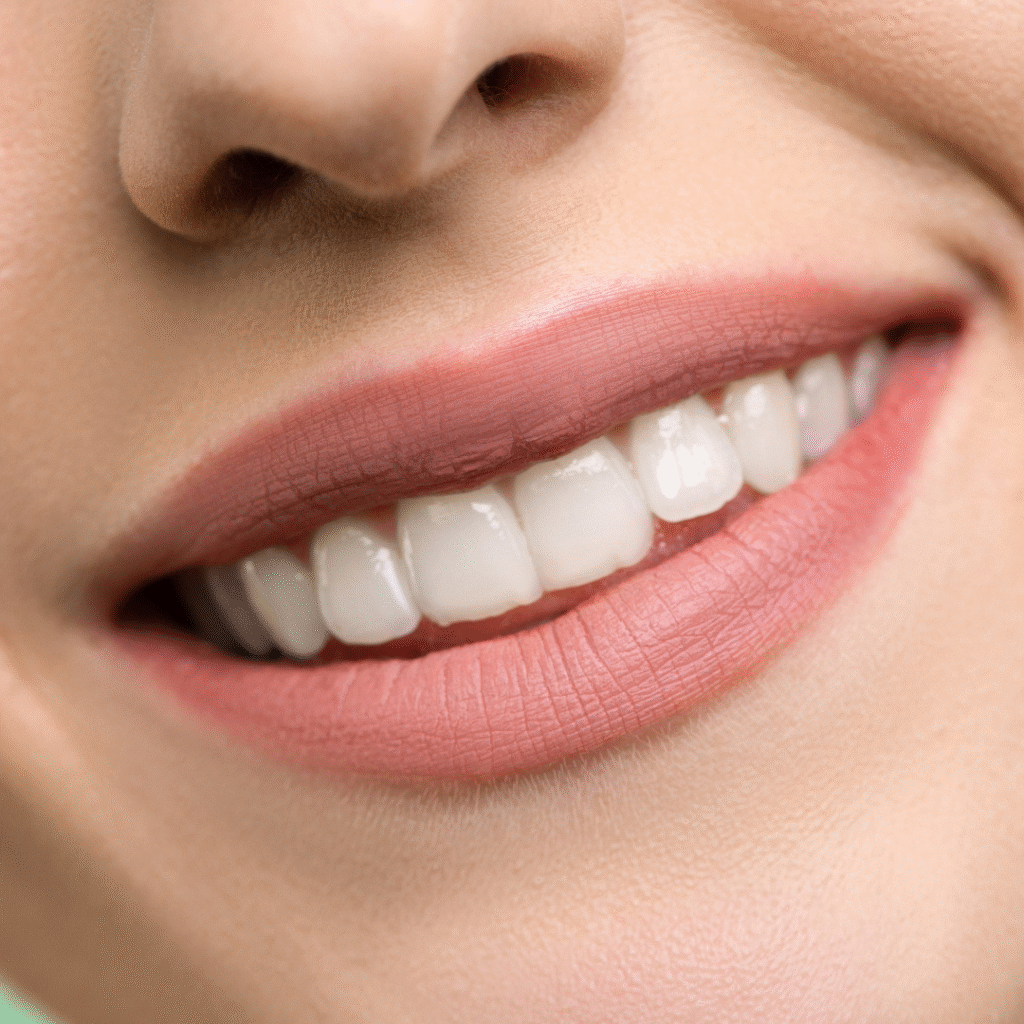
2. Healthy Teeth and Gums are a Necessity.
Whitening should be performed on a healthy mouth. In case your teeth or gums are not healthy, the whitening process may cause you some pain, sensitivity, and even harm.
In this case, the things to check before whitening are the following:
No holes or tooth caries: Whitening gel can leak into holes and will lead to pain or sensitivity.
None has gum disease: Swollen or bleeding gums may swell in whitening.
Strong enamel: Thin or eroded enamel may cause too much sensitivity due to whitening.
Before a dentist does the whitening procedure, he/she will probably recommend that any dental issues (cavities, gum infection, or eroded enamel) be treated.
Eliminate pre-whitening Surface Stains
Although you may not have such deep discoloration of your teeth, in any case, when you whiten your teeth, any surface stains caused by food, beverage, or habits can get in the way. Popular sources of stains are:
Coffee and tea
Red wine
Tobacco or smoking
Purée (e.g. berries, sauces).
Removal of these stains through a professional scaling and polishing combined before whitening is useful as it will ensure that the whitening gel will work equally among the enamel. This move makes the results more homogeneous and brighter.
In Cases where Whitening Should not be recommended
Some of the conditions in which tooth whitening is not appropriate include:
Pregnant or lactating mothers: The time when pregnant women should not use the whitening chemicals is during this stage.
Children who are below 16 years: The inside of their teeth’s pulp (nerve) is larger and more sensitive.
Individuals who experience tooth sensitivity: Whitening can make the pain worse.
Exposed root patients or worn enamel: Whitening does not influence the root surfaces and may cause root sensitivity.
Your dentist may then give other options, such as dental veneers or composite bonding, to be applied instead in order to enhance the look without risking health.
Preparation for Tooth Whitening
- To achieve the best results before starting to whiten, please prepare in the following ways:
- Check your teeth: Your dentist will ascertain that you are a qualified applicant.
- Treat cavities or periodontal disease: Whitening cannot be performed unless oral issues have been solved.
- Professional cleaning: Pre-whitening before cleaning to remove tartar and stains.
- Select the appropriate whitening process: There is in-office whitening, trays that are to be used at home, or even kits that are sold over the counter.
- Talk about shade goals: Your dentist is able to ensure that you get a natural, balanced shade – not white in an unnatural way.
Post-Whitening Care Tips
- To achieve the best results before starting to whiten, please prepare in the following ways:
- Check your teeth: Your dentist will ascertain that you are a qualified applicant.
- Treat cavities or periodontal disease: Whitening cannot be performed unless oral issues have been solved.
- Professional cleaning: Pre-whitening before cleaning to remove tartar and stains.
- Select the appropriate whitening process: There is in-office whitening, trays that are to be used at home, or even kits that are sold over the counter.
- Talk about shade goals: Your dentist is able to ensure that you get a natural, balanced shade – not white in an unnatural way.
Conclusion
The process of tooth whitening is safe and effective, provided it is done under professional control; however, not all people are ideal candidates.
You become eligible to have tooth whitening in cases:
- You have natural teeth (you do not have artificial restorations).
- The gums and teeth look good.
- You have taken away surface stains already.
One should always consult a dentist before any form of whitening treatment. They are able to check your oral condition, talk about whitening, and make sure that the process will improve your smile, healthy and beautiful.