
Root Canal Treatment
If you don’t want to get the tooth extracted, our specialists will conduct meticulous root canal therapy and associated procedures to save it and extend its lifespan.
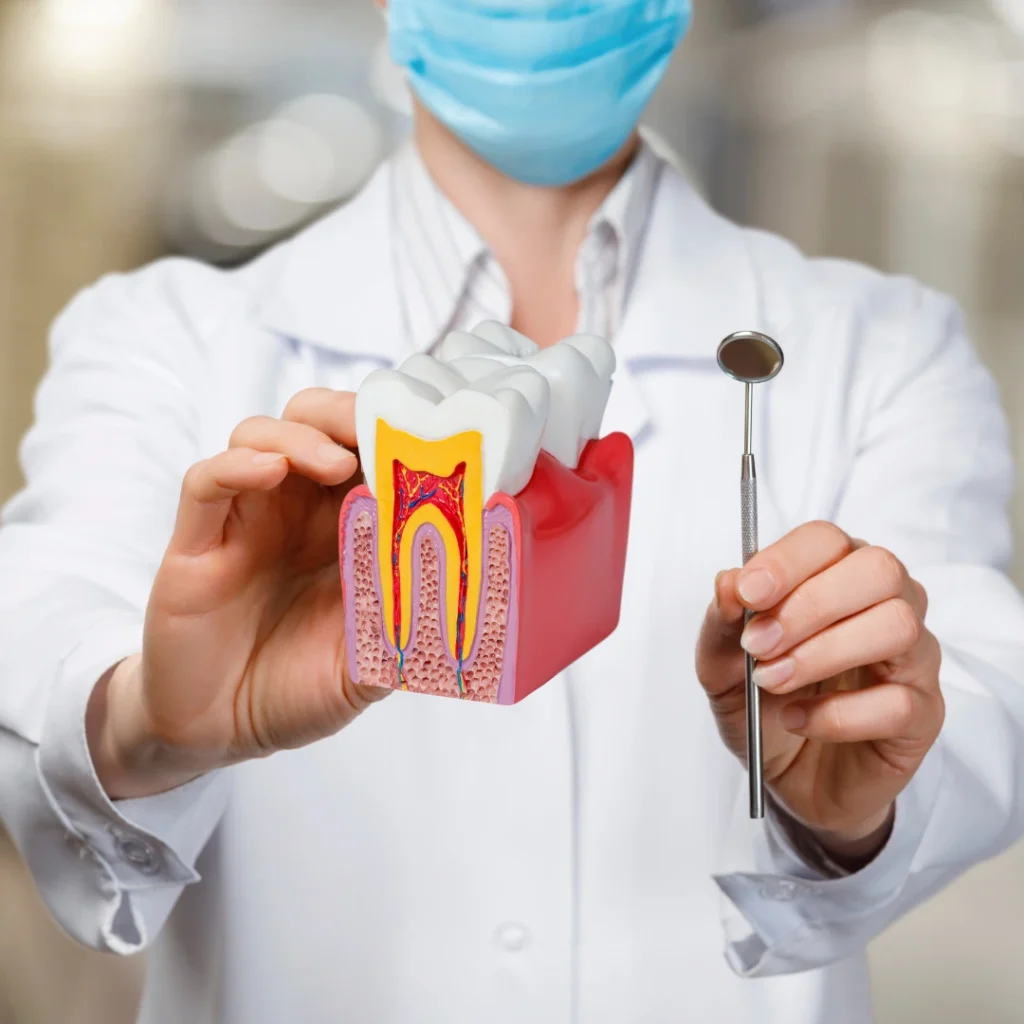
Root Canal Treatment - Endodontics
Root canal treatment, also known as endodontics, can treat severely damaged or infected teeth. The pulp in the tooth is removed during this process to save the tooth. A dental professional cleans, disinfects and seals the inside of a tooth. It relieves pain and prevents extractions. Additionally, this treats dental infections effectively and safely. At Share A Smile Dental clinic, your natural teeth are preserved, and healthy smiles are maintained. Our dental clinic always provides root canal treatment services in Pandalam and Pathanamthitta to protect your smile !
Endodontic Treatments Include:
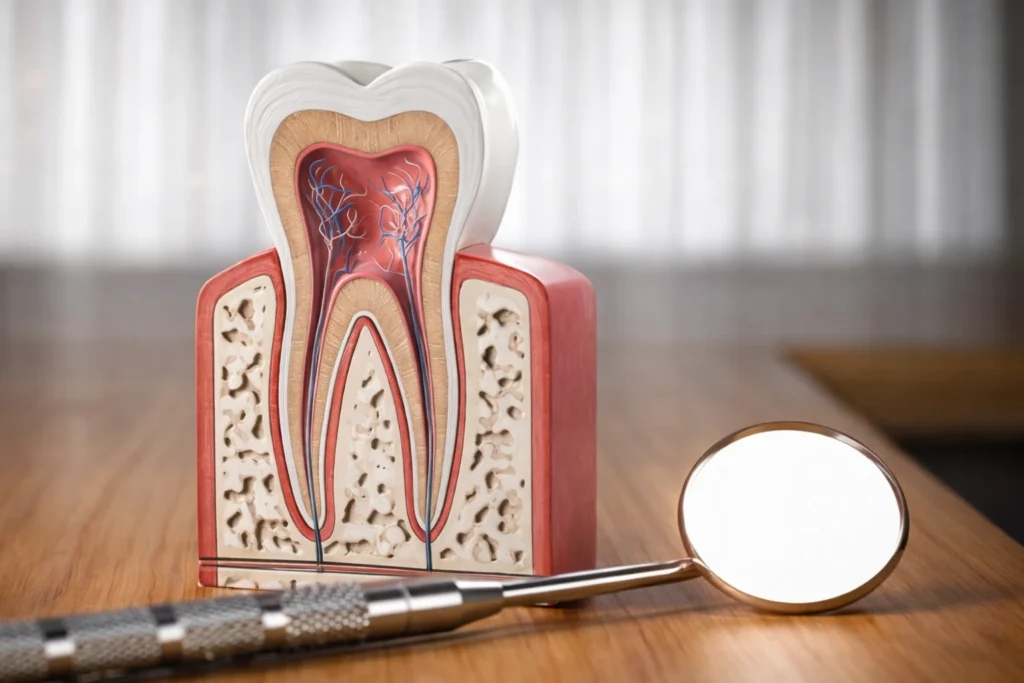
Root Canal Treatment in Pathanamthitta
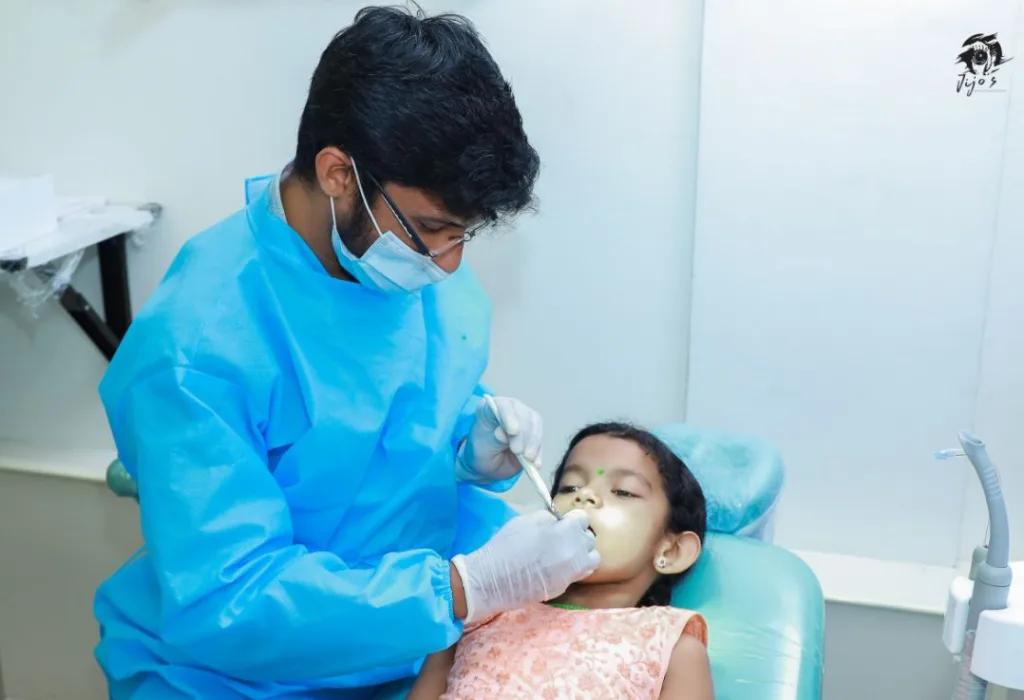
During the procedure, the dentist carefully removes damaged or infected pulp from the inside of the tooth. Also, Patients receive local anesthesia during this process. Furthermore, they disinfect the tooth to eliminate bacteria and clean its interior. Afterwards, they seal the tooth, preventing infection and preserving its structure and function. Our dental clinic provides the expert root canal treatment in Pandalam and Pathanamthitta.
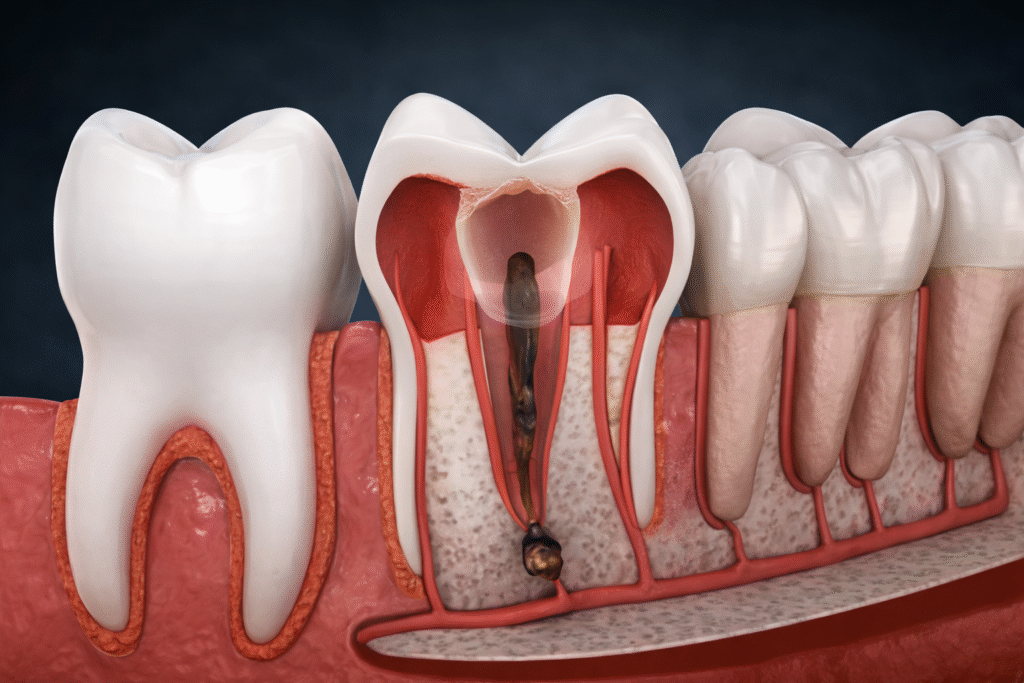
Apicectomy
An apicoectomy treats infections and inflammation in a tooth’s root tip. So, an apicectomy involves removing the infected tissue. The dentist seals the root tip to prevent further disease. Dentists recommend this procedure when filling accessory canals becomes challenging and leads to re-infection. Furthermore, dentists use apicectomy as an adjuvant or post-treatment, treating persistent dental infections.
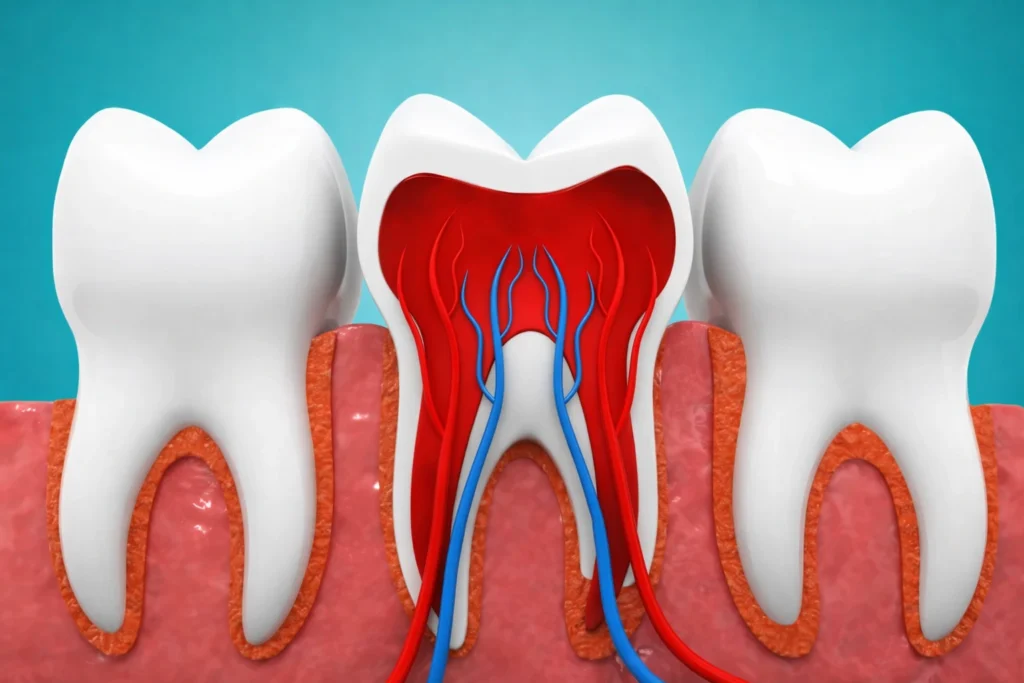
Apexogenesis and Apexification
Dentists cannot treat early tooth damage with root canals. During this procedure, they use special medicines to fill the root canal and promote the closure of the root apex. This process is known as Apexogenesis (root growth completion) and apexification (root apex closure)
Post Endo Filling and Crowns
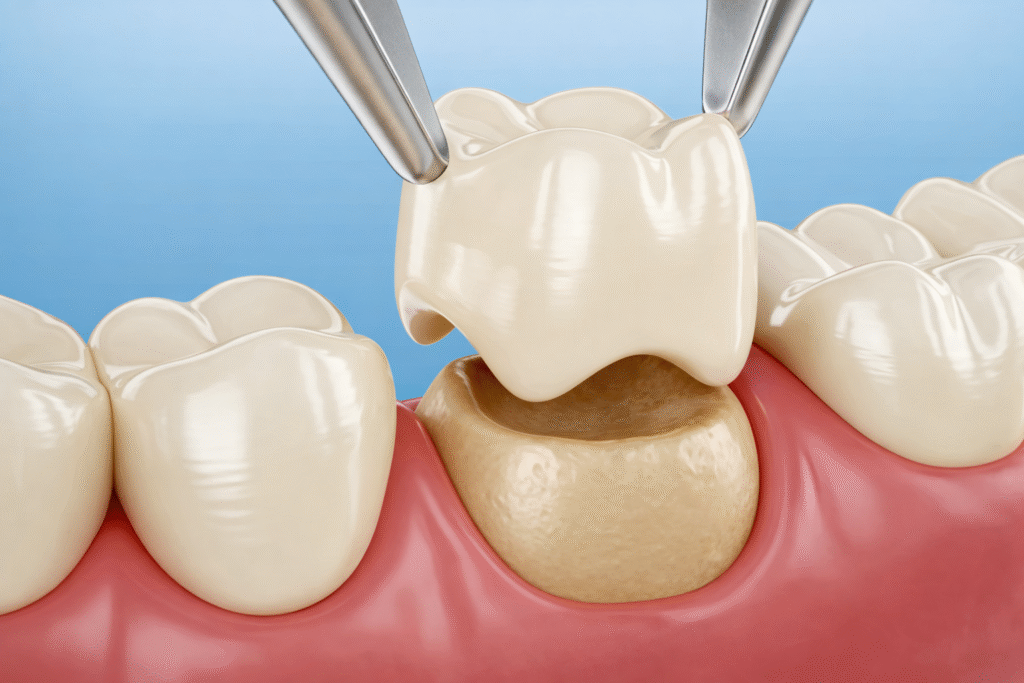
As a result of root canal therapy, the tooth becomes dry. Fracture-resistant crowns protect teeth. So, Share A Smile Dental provides durable, high-quality fillings. Therefore, all your questions about our crowns and onlays will be answered.
FAQ
Quick answers to questions you may have
What is a root canal treatment?
Dentists treat damaged or infected teeth with endodontics, also known as root canal treatment. Here, they then clean and fill the space with a special material, preserving the tooth's structure and relieving pain.
Why root canal treatment is necessary?
As a result of decay or other factors, a tooth's pulp may become infected, necessitating this treatment. So, it's crucial to save the tooth by removing the infected pulp, alleviating pain, preventing further spread of infection, and restoring its functionality.
How does root canal treatment work?
During this process, dentists remove the pulp to save the tooth. We clean, shape, and disinfect the root canals before filling them with biocompatible stuff. Moreover, a filling or crown restores the tooth's strength and function.
What are the signs that I may need this treatment?
Suppose you experience persistent or prolonged pain, hot and cold sensitivity, swelling, tenderness, discolouration, pimples on the gums, bad taste or odour, or radiating pain. In that case, it is advisable to seek dental attention. In that case, after the examination, your dentist may recommend endodontic treatment.
Is this treatment painful?
Usually, while doing this treatment, local anesthesia will be given. It helps numb the area and minimize pain. Modern techniques and anesthesia make it relatively comfortable. The advancement of dental technology and pain management has significantly reduced the pain associated with root canal treatment.
How long does it take to get this treatment?
The duration of the procedure may depend on the complexity of the case and the tooth under treatment. Typically, root canals take 1 to 2 hours. Also, those with more complex issues or molars with multiple canals may need two appointments. So,You'll get a better estimate based on your specific situation during your initial consultation.
Can this treatment fail?
It can fail due to incomplete infection removal, missed canals, inadequate restoration, or resistant bacteria. In such cases, retreatment or tooth extraction might be necessary.
Do these treatments have any alternatives?
Alternatives to this include tooth extraction, which involves removing the entire tooth. Then, replace it with a dental implant, bridge, or partial denture. Your dentist can discuss these alternatives with you and help you make an informed decision based on your situation.
How to avoid this treatment?
To avoid this, practice good oral hygiene. Also, brush your teeth twice a day. Additionally, do flossing regularly. Moreover, make sure you visit the dentist regularly to catch problems early. Additionally, avoid or minimize habits like grinding your teeth and biting on hard objects, as they can lead to tooth damage that might require a root canal.
Are there any dietary restrictions after this treatment?
After this treatment, there are typically no specific dietary restrictions. However, avoiding very hot or cold foods immediately after the procedure is a good idea to prevent sensitivity and maintain a soft diet for a day or two if you experience discomfort.
Will my tooth be sensitive after this treatment?
It's common to experience some sensitivity after a root canal treatment, but this should gradually improve. So, If you feel discomfort with over-the-counter pain relievers or prescription pills, you can take care of it.
What's the lifespan of root canal treatment?
The results of this treatment depend on the proper care and maintenance you are giving. Also, after a successful root canal, it's important to maintain good oral hygiene practices, visit your dentist for regular check-ups, and promptly address any issues that arise to ensure the long-term health of the treated tooth.