
Conquering Gum Disease From Root to Tip
Gum disease, also known as periodontal disease, is a common oral health condition that affects the gums and surrounding tissues. It is important to understand the causes, symptoms, and treatment options for gum disease in order to maintain good oral hygiene and prevent further complications.
What Is Gum Disease?
Gum disease, also known as gingivitis or periodontal disease, is a common oral health condition that affects the tissues surrounding the teeth. It is caused by the buildup of plaque and tartar on the teeth, leading to inflammation of the gums. If left untreated, gum disease can progress and result in more severe issues such as tooth loss.
What Causes Gum Disease?
The main cause of gum disease is poor oral hygiene. When plaque is not properly removed from the teeth, it can harden into tartar, which can only be removed by a dentist or dental hygienist. Other factors that can contribute to gum disease include smoking, hormonal changes, certain medications, and underlying health conditions such as diabetes.
Common Symptoms of Gum Disease
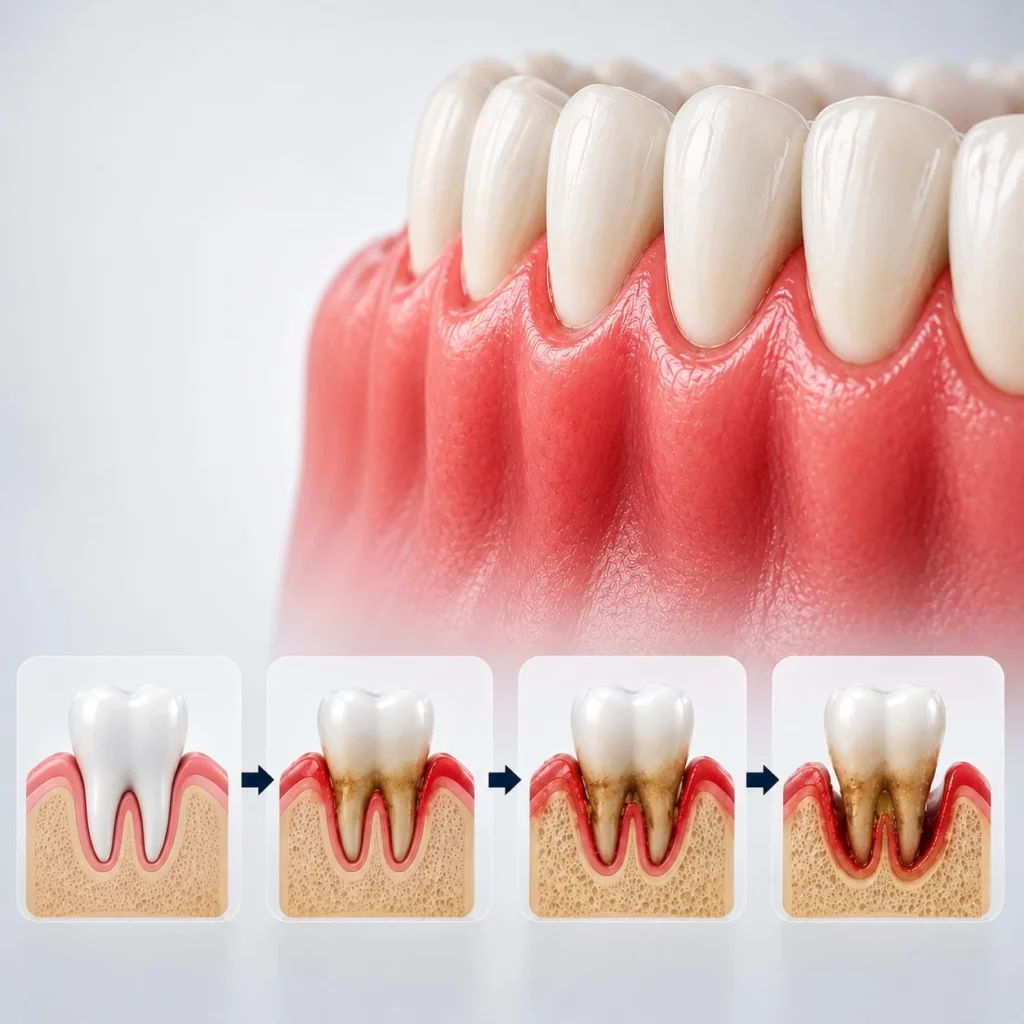
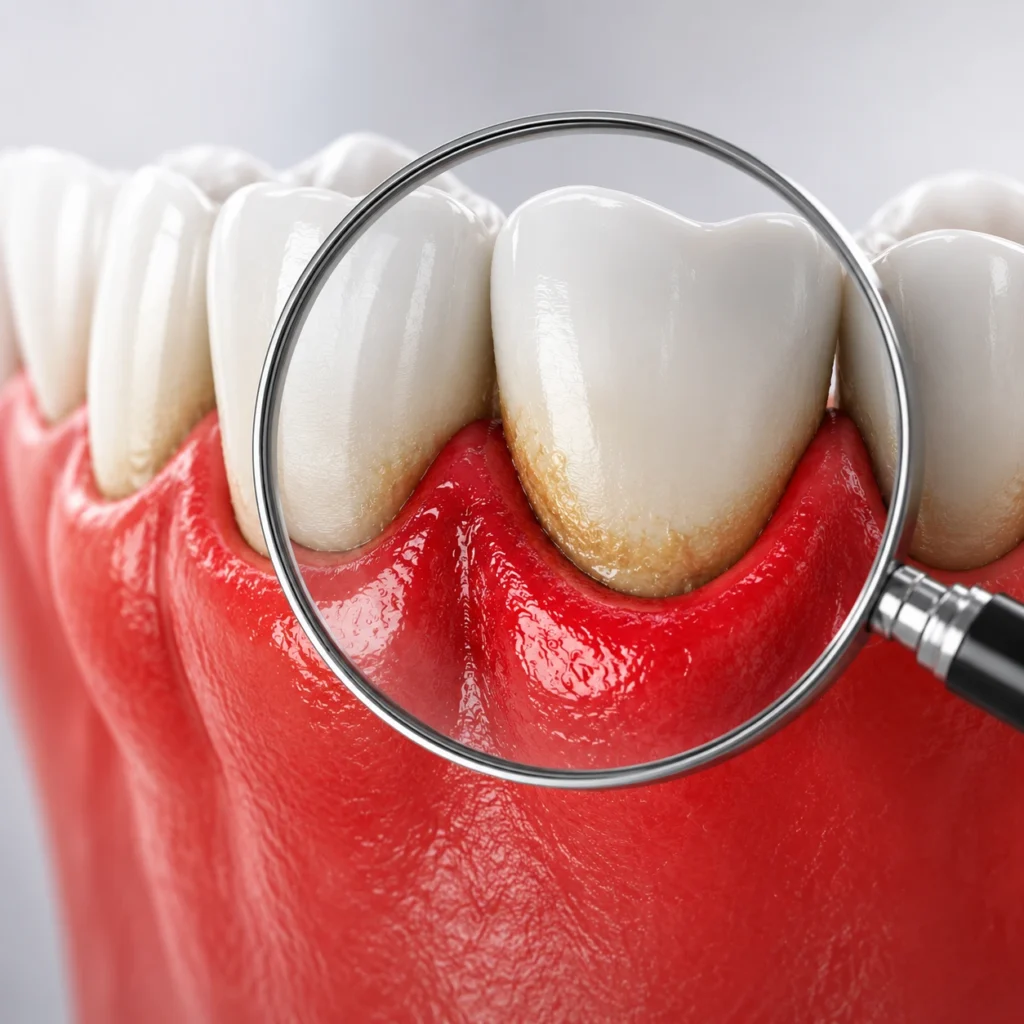
- Swollen Gums: One of the first signs of gum disease is swollen gums. If your gums appear puffy or inflamed, it may indicate an accumulation of bacteria and plaque along the gum line.
- Bleeding Gums: Healthy gums should not bleed when you brush or floss. If you notice blood on your toothbrush or in the sink after brushing, it could be a sign of gum disease.
- Bad Breath: Persistent bad breath, also known as halitosis, can be a symptom of gum disease. The bacteria causing the infection release toxins that contribute to foul-smelling breath.
- Receding Gums: As gum disease progresses, the gums may start to pull away from the teeth, exposing more of the tooth root. This can lead to increased sensitivity and make teeth more vulnerable to decay.
- Pain or Discomfort: Gum disease can cause pain or discomfort in the gums, especially when chewing or brushing. If you experience persistent soreness in your gums, it is essential to see a dentist for evaluation.
Stages of Gum Disease
Stage 1: Gingivitis
Gingivitis is the earliest stage of gum disease and is characterized by inflammation of the gums. At this stage, the gums may be red, swollen, and bleed easily. Gingivitis is reversible with proper oral hygiene and professional dental cleanings.
Stage 2: Early Periodontitis
If left untreated, gingivitis can progress to early periodontitis. In this stage, the infection begins to affect the supporting structures of the teeth, including the bone. You may experience deeper pockets between the gums and teeth, along with increased gum recession.
Stage 3: Moderate Periodontitis
Moderate periodontitis involves further breakdown of the bone and connective tissue that hold the teeth in place. Pockets deepen, and teeth may become loose or shift position. Treatment at this stage typically involves scaling and root planing to remove plaque and tartar buildup.
Stage 4: Advanced Periodontitis
In the most severe stage of gum disease, advanced periodontitis, significant bone loss occurs, leading to tooth mobility and potential tooth loss. Advanced periodontitis requires more aggressive treatment, such as surgical intervention or dental implants.
Prevention of Gum Disease
- Brush and Floss Regularly: Proper oral hygiene is crucial in preventing gum disease. Brush your teeth at least twice a day and floss daily to remove plaque and bacteria.
- Schedule Regular Dental Check-ups: Routine dental exams are essential for early detection and treatment of gum disease. Your dentist can identify signs of gum disease and provide appropriate interventions.
- Quit Smoking: Smoking is a significant risk factor for gum disease. Quitting smoking can improve your oral health and reduce your chances of developing gum disease.
- Eat a Balanced Diet: A diet rich in fruits, vegetables, and lean proteins can support optimal oral health and help prevent gum disease.
How Is Gum Disease Diagnosed?
- Dental Examination:
During a routine dental check-up, your dentist will visually inspect your gums for signs of inflammation, redness, or bleeding. They may also use a dental probe to measure the depth of the pockets around your teeth.
2. X-Rays:
X-rays can help dentists identify any bone loss or changes in the bone structure that are indicative of advanced gum disease.
3. Gum Disease Screening Tests:
There are several diagnostic tests available that can help identify specific bacteria associated with gum disease. These tests can provide valuable information to tailor the treatment plan accordingly.
4. Consultation with a Periodontist:
If your dentist suspects advanced gum disease, they may refer you to a periodontist, a specialist in treating gum conditions, for further evaluation and treatment.
Gum Disease Treatment Options
- Scaling and Root Planing:
This non-surgical procedure involves removing plaque and tartar deposits from the teeth and root surfaces to promote gum healing and prevent further gum disease progression.
2. Antibiotics:
Your dentist may prescribe antibiotics to help control bacterial infections in the gums and promote healing.
3. Periodontal Surgery:
In cases of advanced gum disease, surgical intervention may be necessary to remove diseased tissue, reshape the gums, and restore dental health.
4. Laser Therapy:
Laser technology can be used to target and remove infected gum tissue while promoting the regeneration of healthy gum tissue.
5. Home Care and Maintenance:
Proper oral hygiene practices, including regular brushing, flossing, and dental check-ups, are essential to managing and preventing gum disease.
6. Lifestyle Changes:
Certain lifestyle factors, such as smoking and poor diet, can contribute to the development and progression of gum disease. Making positive changes in these areas can help improve your oral health.
When Should You Visit a Dentist?
If you notice any signs or symptoms of gum disease, it is important to visit a dentist for an evaluation. Additionally, you should see a dentist for regular check-ups and cleanings to help prevent gum disease from developing in the first place.
It is recommended to visit a dentist at least twice a year for routine check-ups and cleanings. During these visits, your dentist will examine your gums for any signs of gum disease and provide professional cleanings to remove plaque and tartar buildup.
How to Maintain Healthy Gums
In addition to visiting your dentist regularly, there are several steps you can take to maintain healthy gums and prevent gum disease:
- Brush and Floss Daily: Brushing your teeth twice a day and flossing daily can help remove plaque and bacteria that can lead to gum disease.
- Use Mouthwash: Rinse with an antimicrobial mouthwash to help reduce bacteria in your mouth and prevent gum disease.
- Eat a Healthy Diet: A diet high in fruits and vegetables and low in sugary snacks can help promote healthy gums.
- Avoid Tobacco: Smoking and using tobacco products can increase your risk of developing gum disease.
Conclusion
Gum disease is a common oral health condition that can have serious consequences if left untreated. By understanding the causes, symptoms, and treatment options for gum disease, individuals can take steps to maintain good oral hygiene and prevent complications. Remember to brush and floss regularly, avoid tobacco use, and seek professional dental care to ensure a healthy smile for years to come.