
Do You Really Need Mouthwash Every Day? Here's What to Know
Mouthwash is a common oral care product that is used by millions of people worldwide. It is a liquid product that is used to rinse the mouth and kill bacteria that can cause bad breath. In this blog post, we will explore what mouthwash is, its benefits, and how to use it effectively for optimal oral hygiene.
What is Mouthwash?
Mouthwash, also known as mouth rinse, is a liquid product used to rinse the mouth and freshen breath. It typically contains antiseptic ingredients that kill bacteria and germs in the mouth, as well as ingredients that can help reduce plaque buildup and prevent gum disease.
Benefits of Using Mouthwash
- Kills Bacteria: Mouthwash helps to kill bacteria in the mouth, which can help prevent bad breath and tooth decay.
- Freshens Breath: Mouthwash leaves a fresh, clean feeling in the mouth, helping to combat bad breath.
- Reduces Plaque: Some mouthwashes contain ingredients that can help reduce plaque buildup on the teeth, which can help prevent gum disease.
- Promotes overall oral hygiene: Regular use of mouthwash can help promote overall oral hygiene and contribute to a healthy mouth.
Types of Mouthwash
- Antiseptic Mouthwash: This type of mouthwash contains ingredients such as chlorhexidine or alcohol that help kill bacteria in the mouth. It is effective in reducing plaque and gingivitis, making it ideal for those with gum disease.
- Fluoride Mouthwash: Fluoride is a mineral that helps strengthen tooth enamel and prevent cavities. Fluoride mouthwash is recommended for individuals prone to dental decay.
- Cosmetic Mouthwash: These mouthwashes are designed to freshen breath and mask odours temporarily. They do not provide long-lasting benefits for oral health but can be used for a quick breath freshener.
- Natural Mouthwash: Made with natural ingredients like essential oils, natural mouthwashes are free from artificial chemicals and provide a more gentle oral care option. They can help freshen breath and maintain overall oral health.
How to Use Mouthwash
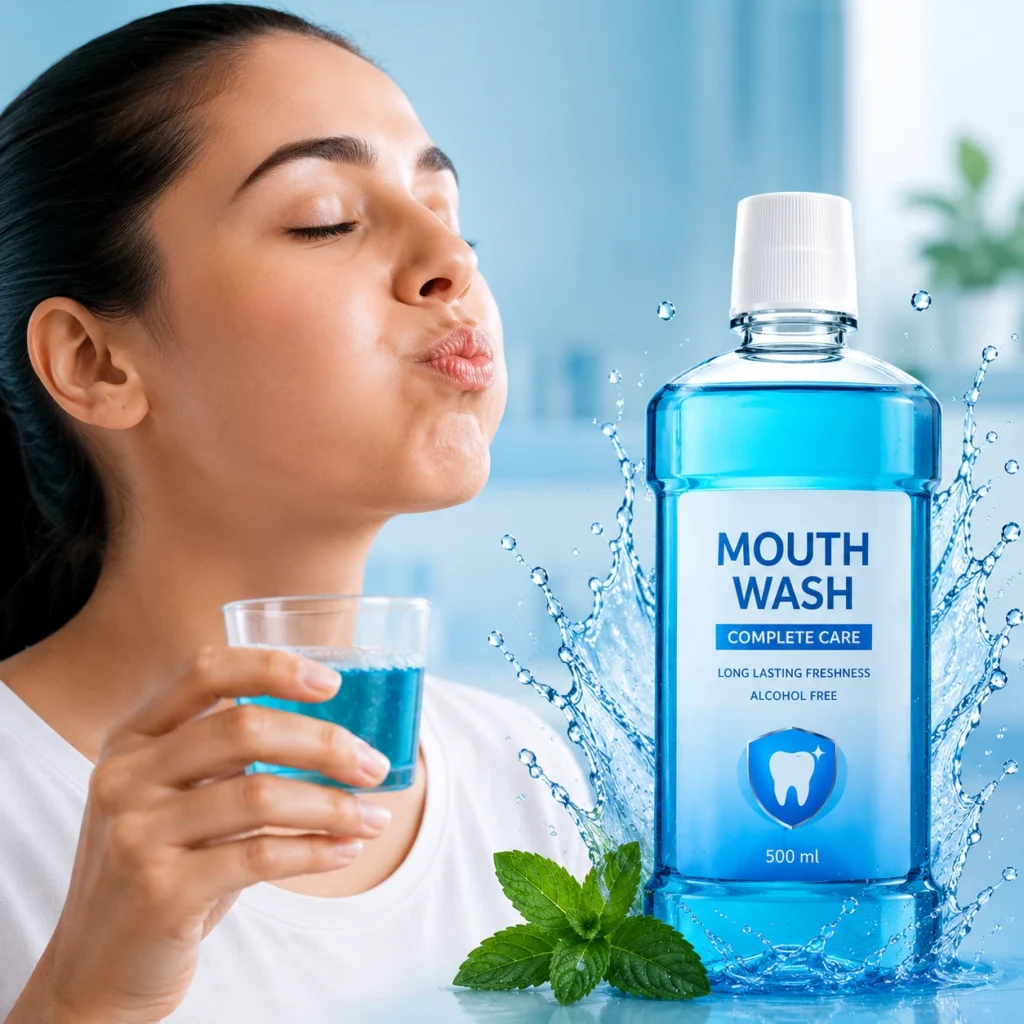
- Pick the Right Mouthwash: Choose a mouthwash that addresses your specific oral health needs. Read the label to understand its purpose and how to use it effectively.
- Rinse and Gargle: Pour the recommended amount of mouthwash into a cup and swish it around in your mouth for 30-60 seconds. Gargle the mouthwash at the back of your throat to reach bacteria hiding in the crevices.
- Do Not Rinse with Water: After using the mouthwash, avoid rinsing your mouth with water immediately. Let the mouthwash continue its work on your teeth and gums for maximum benefit.
- Use at the Right Time: Mouthwash should be used after brushing and flossing your teeth. Incorporate it into your oral hygiene routine twice a day for optimal results.
How Is Pulp Polyp Treated?
Treatment for pulp polyp typically involves removing the affected pulp tissue and cleaning out the root canal system to eliminate any infection. The procedure, known as root canal therapy, is performed by a dentist or endodontist. Here is an overview of the treatment process:
- Diagnosis: The dentist will conduct a thorough examination and may order X-rays to determine the extent of the infection.
- Root Canal Therapy: During the procedure, the dentist will numb the affected tooth and remove the infected pulp tissue. The root canal system is then cleaned, shaped, and filled to prevent reinfection.
- Extraction: In severe cases where the tooth cannot be saved, extraction may be recommended to prevent the spread of infection to surrounding teeth.
- Follow-Up: After the procedure, the dentist may recommend a crown to protect the tooth and restore its function.
Is Using Mouthwash Every Day Necessary?
The question of whether or not you should use mouthwash every day ultimately depends on your individual needs and oral health. While mouthwash can be a beneficial addition to your oral hygiene routine, it is not always necessary for everyone.
Using mouthwash daily can help freshen breath, kill bacteria, and reduce plaque buildup. This can be especially beneficial for individuals who struggle with bad breath or have a higher risk of developing gum disease. Additionally, some mouthwashes contain fluoride, which can help strengthen enamel and prevent tooth decay.
However, using mouthwash every day is not without potential drawbacks. Some mouthwashes contain alcohol, which can cause dry mouth, irritation, and sensitivity for some individuals. Overuse of mouthwash can also disrupt the natural balance of bacteria in your mouth, leading to oral health issues.
Mouthwash for Everyone?
When it comes to mouthwash, many people wonder if it is necessary for everyone to use. The truth is that mouthwash can be beneficial for people of all ages and oral health conditions. Mouthwash can help to freshen breath, kill bacteria, and prevent plaque buildup. It can also reach areas of the mouth that may be difficult to clean with brushing and flossing alone.
So, who should use mouthwash? Generally speaking, anyone who wants to improve their oral hygiene can benefit from using mouthwash as part of their daily routine. This includes children, adults, and seniors alike. However, it is important to choose the right type of mouthwash for your specific needs.
Common Mistakes to Avoid
While using mouthwash can be beneficial, there are some common mistakes that people make when it comes to incorporating mouthwash into their oral care routine. Here are a few things to keep in mind:
- Not Reading Instructions: One common mistake is not reading the instructions on the mouthwash bottle. It is important to follow the recommended usage instructions to ensure that you are using the product correctly.
- Using Too Much: Using too much mouthwash can be harmful and may cause irritation or other oral health issues. Be sure to use the recommended amount as indicated on the packaging.
- Not Choosing the Right Type: There are different types of mouthwash available, such as fluoride mouthwash, antiseptic mouthwash, and natural mouthwash. It is important to choose the right type for your specific needs and oral health concerns.
- Rinsing Immediately: Some people make the mistake of rinsing their mouth immediately after using mouthwash. It is recommended to wait at least 30 minutes before rinsing to allow the mouthwash to work effectively.
- Using Mouthwash as a Substitute: Mouthwash should not be used as a substitute for brushing and flossing. It should be used as a complement to your regular oral care routine for optimal results.
Can Children Use Mouthwash?
One common question that parents have is whether children can use mouthwash. The answer is yes, but with some caveats. Children under the age of six should not use mouthwash that contains alcohol, as it can be harmful if ingested. Instead, opt for an alcohol-free mouthwash that is specifically formulated for children. Supervise your child while they are using mouthwash to ensure they are using it properly and safely.
Frequently Asked Questions (FAQs)
- How often should I use mouthwash? It is recommended to use mouthwash twice a day, after brushing your teeth.
- Can mouthwash replace brushing and flossing? No, mouthwash should be used in addition to regular brushing and flossing, not as a replacement.
- Are natural mouthwashes effective? Natural mouthwashes can be effective, but it’s important to choose one that contains ingredients proven to promote good oral health.
- Can mouthwash help with gum disease? Some mouthwashes are specifically formulated to help reduce the symptoms of gum disease, but it’s important to consult with your dentist for a treatment plan.
Conclusion
Whether or not you should use mouthwash every day depends on your individual oral health needs and preferences. While using mouthwash can provide benefits such as fresh breath and bacteria-killing properties, it is important to use it in moderation and be mindful of any potential drawbacks. If you have specific concerns about using mouthwash daily, it is always best to consult with your dentist for personalized advice.