
Caring for Your Dental Bridge: A Simple Guide to a Long-Lasting Smile
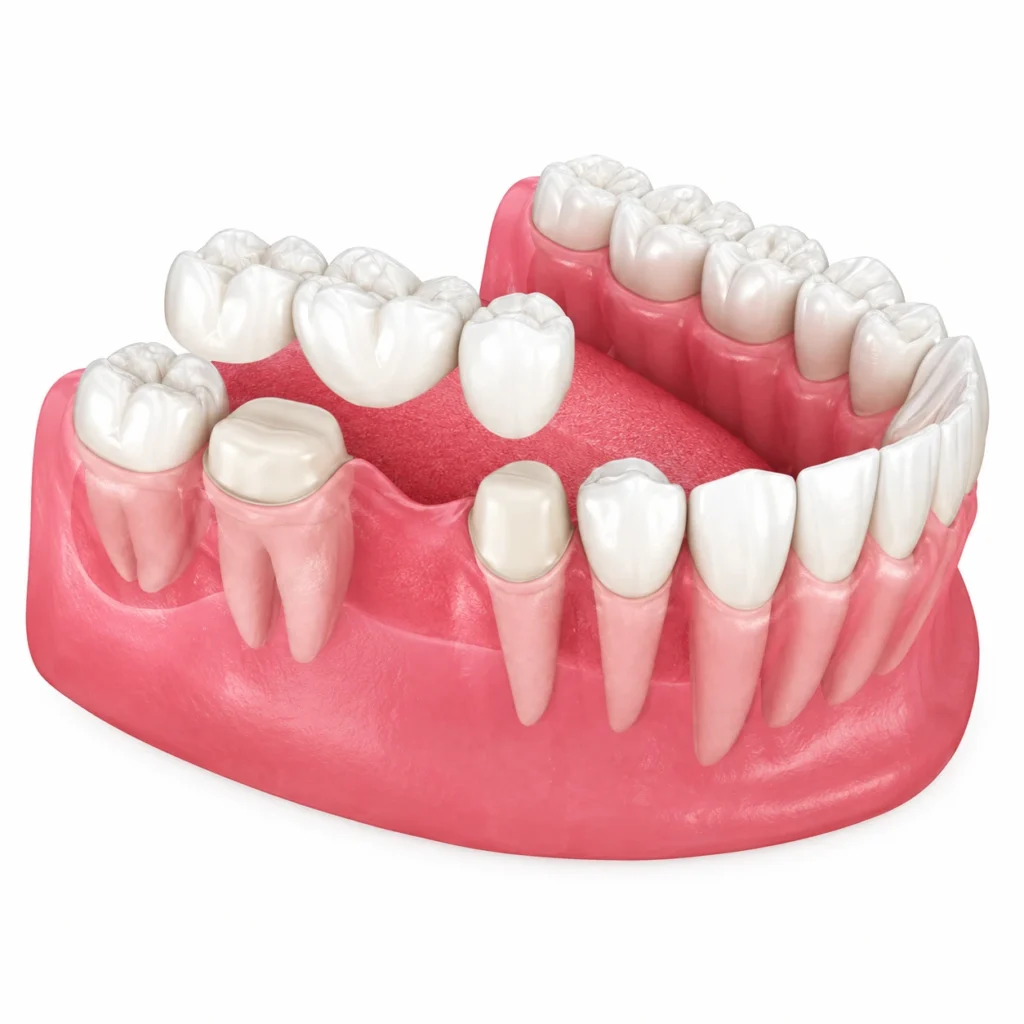
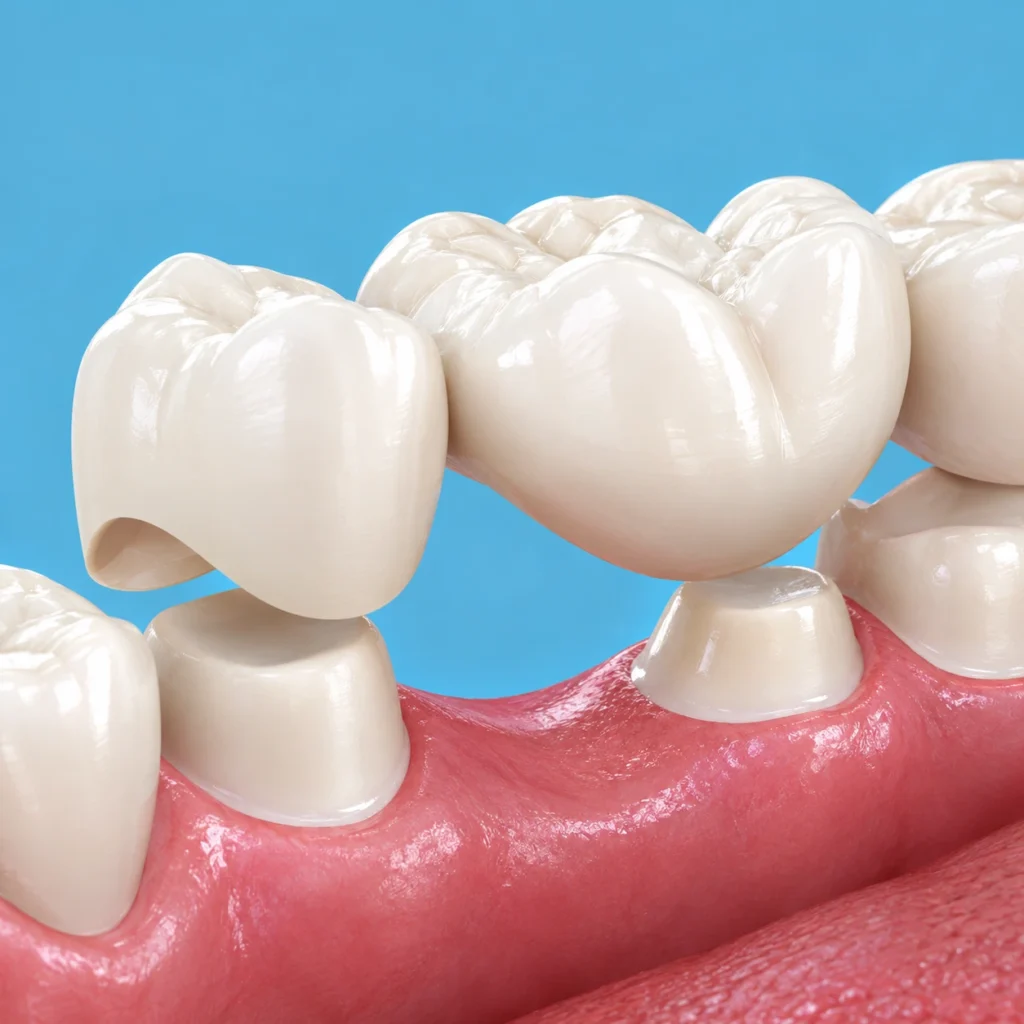
You may be planning to invest in dental bridges or may already have them. A dental bridge replaces missing teeth by placing an artificial tooth called a pontic in the gap, supported by neighboring anchor teeth known as abutments. While a bridge looks and feels like natural teeth, keeping it in good shape requires daily care. With proper care, a dental bridge can last 5 to 15 years or longer.
A common problem for people who wear dental bridges is food getting trapped under the artificial tooth, this forces them to carry tooth picks to clear food particles. This is not an effective way to clean dental bridges. We will further discuss the necessary oral care needed for people wearing dental bridges.
Why Cleaning Under a Bridge is So Important
Many people do not give dental bridges the care needed for regular teeth. They think that since it is artificial it does not require regular care. In reality, your dental bridge needs special attention because of how it is designed.
Dental bridges are anchored with natural teeth supporting them. They can easily get cavities. When you eat, food particles and plaque collect along the gumline and under the fake tooth.
If plaque builds up under the bridge, it causes several problems:
Step 1: Daily Brushing Habits
Brushing is a cardinal factor of oral hygiene, but a bridge requires extra focus while brushing.
Follow these brushing tips:
- Brush twice a day: Brush twice a day using fluoride toothpaste to protect surrounding teeth against decay.
- Use a soft-bristled toothbrush: Hard bristles can erode the teeth, soft bristles clean gently without scratching the bridge or irritating gums.
- Clean all surfaces: Practise brushing outer and inner areas of teeth.
- Be gentle: Clean using gentle movements rather than hard scrubbing.
- Electric toothbrushes work well: Electric brushes are a safe alternative to regular brushes and maintain uniform cleaning.
Step 2: Tools for Cleaning Underneath Your Bridge
Regular toothbrushes can clean the outside of teeth well, but they cannot reach the space hidden underneath the artificial tooth. Normal floss also fails in cleaning between the bridges. You need specialized tools to clean underneath.
Top tools for cleaning under a bridge include:
- Floss Threaders: A flexible threader guides regular floss under the artificial tooth to clean plaque along the gumline.
- Super Floss: Pre-cut floss featuring a stiff end for threading, a spongy middle to clean plaque under the pontic, and regular floss for normal teeth.
- Interdental Brushes: Tiny brushes that slide between teeth to clean gaps or margins around your bridge. It is crucial to use the right size for adequate cleaning.
- Water Flossers: A water flosser is a device which shoots a stream of water to flush out hidden food particles stuck under the bridge.
- Rinsing & Mouthwash: Rinsing with water after meals removes loose food, while antimicrobial mouthwash controls bacteria around the bridge.
Step 3: Protecting Your Bridge from Damage
Dental bridges are strong, but not indestructible. Maintaining habits which aid the bridges are crucial.
Follow these protective tips:
- Avoid hard foods: Do not bite ice, hard candies, nuts, or bones, which can chip or crack the bridge.
- Stop non-food biting habits: Never open packages with teeth or chew on pens.
- Avoid sticky foods: Candies like caramel or taffywhich easily get stuck can pull on the bridge and loosen cement.
- Wear a nightguard for grinding: If you grind teeth at night, heavy forces can lead to wear and tear in bridges . A nightguard protects teeth while sleeping.
- Wear a sports mouthguard: Protect your mouth during contact sports by wearing a mouthguard.
- Avoid tobacco: Smoking stainsharms gum health, and threatens bridge stability.
Step 4: Warning Signs and Seeing Your Dentist
Regular check-ups are crucial for monitoring bridge fit and keeping supporting teeth healthy.
Contact your dentist immediately if you notice warning signs:
- Swollen or bleeding gums around the bridge
- Persistent bad breath that does not go away
- A loose feeling or changes in how your bite feels
- Unusual pain or discomfort when biting
- Food constantly getting trapped in the same spot
If your bridge becomes loose, never try to glue it back yourself. See your dentist right away to re-attach it safely. Bridge materials do not whiten like natural teeth, so discuss whitening with your dentist beforehand.
Why should you choose Share a Smile for dental care?
At Share a Smile, we understand that every patient is unique, and we tailor our treatment plans to suit your individual needs. Our dentists take the time to listen to your concerns and provide personalized solutions that address your specific dental issues.
Conclusion
Taking care of dental bridges is not difficult with proper care. By following simple brushing twice daily, cleaning underneath the bridge every evening, avoiding hard or sticky foods, and seeing your dentist regularly, you can keep your bridge comfortable and your smile healthy for years to come!