Wisdom Tooth Recovery and Simple Jaw Exercises
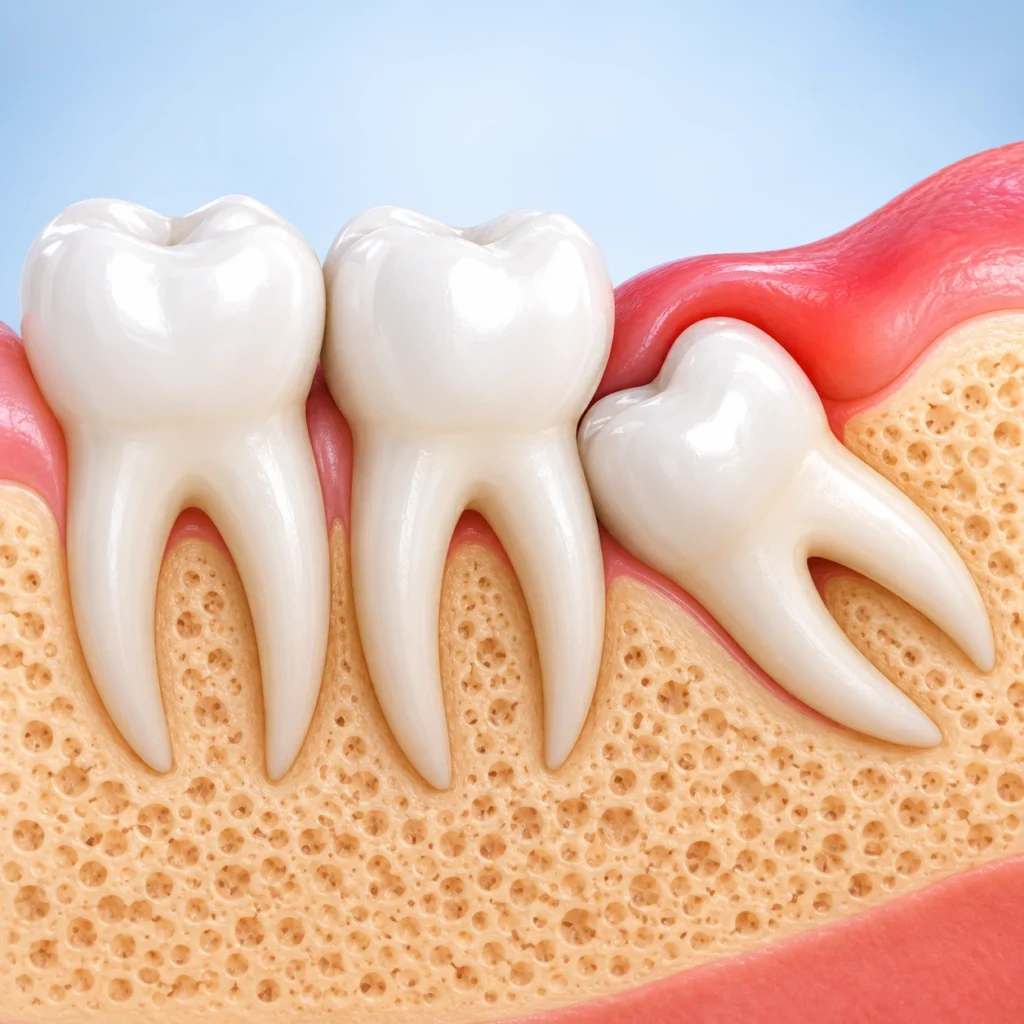
A large number of people undergo this procedure called wisdom tooth removal. Your wisdom teeth are the teeth at the very back of your mouth that usually grow in between ages 17 and 25. Wisdom teeth can get crooked since your jaws are very small for them and get trapped under the gums. This can cause pain and infection. Removing them helps protect your mouth and surrounding teeth.
Here we will discuss what happens as you heal, how to protect your mouth, and simple exercises to relax a tight jaw.
Endurance athletes, runners, and fitness enthusiasts are increasingly noticing increased tooth sensitivity. They also inhibit enamel thinning, and visible dental changes linked to their daily hydration routines .Here we are going to discuss how electrolyte drinks affect your mouth and how to adopt smarter drinking habits which is essential for protecting your teeth while keeping your body hydrated .
1. What to Expect While You Heal

Healing takes time and happens in stages.
- Days 1 to 3 :
- In the first few days you can expect some light bleeding, swelling, and mild pain. Keep firm pressure on the gauze pad placed over the tooth socket for about 30 minutes after surgery until bleeding slows down.
- Rest at home for 1 to 3 days with your head propped up on extra pillows.
- Put an ice pack wrapped in a towel on your cheek for 20 minutes on and 20 minutes off to lower swelling.
- Take your prescribed or recommended pain medicine on time to stay comfortable.
- Days 4 to 7 :
- Pain and swelling will start to go down.
- You can start gentle warm salt water rinses after meals to keep the spot clean.
- Most people can return to work or regular daily activities after a few days of rest.
- You might see a soft white or yellow layer forming inside the socket; this is normal collagen tissue that helps your gums rebuild, so do not scrape or force it out.
- Weeks 2 to 4 :
- Side effects like swelling and pain usually disappear completely within a week or two.
- New gum tissue grows over the socket, allowing you to slowly return to crunchier foods.
- Bone healing inside the jaw continues under the gums over the next several weeks.
2. Easy Rules to Protect Your Healing Socket
Once a tooth is taken out, a blood clot forms in the empty hole to protect the bone. If that blood clot breaks or falls out, it causes a very painful condition called dry socket.
- DO:
- Eat soft, cool foods for the first few days.
- Brush and floss your other teeth gently every day without irritating the healing spot..
- Take all prescribed antibiotics from your doctor.
- In some surgeries, dentists place Platelet Rich Fibrin (PRF)—a yellow gel made from your own blood to the socket to protect it and speed up bone healing.
- DON’T:
- Do not use straws or smoke tobacco: Sucking on a straw or smoking pulls air into your mouth and can dislodge the blood clot.
- Do not drink fizzy (carbonated) or alcoholic drinks: Avoid carbonated and alcoholic drinks for at least 5 days.
- Do not spit or swish liquids roughly: Tilt your head side to side when rinsing and let the liquid fall out gently into the sink.
Do not poke the socket : Do not irritate the healing spot with your tongue, fingers, or a toothpick.
3. Why Your Jaw Feels Tight
Holding your mouth open during surgery stretches your jaw muscles. Afterward, those muscles can feel tired, sore, and tight—a temporary condition known as trismus. This makes it tricky to open your mouth wide for a week or two.
To check your jaw opening at home:
- The 3-Finger Test:Try holding three fingers vertically and see if they fit between your top and bottom front teeth. If three fingers cannot fit comfortably, your jaw is stiff, and gentle exercises can help loosen it up over time.
- Eating Tip:If opening your mouth wide is uncomfortable, manually shape soft food into small, bite-sized portions with clean hands instead of using large spoons.
4. Simple Jaw Exercises to Reduce Stiffness
Do not start jaw exercises on the first few days of recovery. Wait a few days until bleeding and swelling settle down. Move slowly and stop if you feel pain.
- Resting Jaw Position:
- Rest the tip of your tongue on the roof of your mouth just behind your top front teeth.
- Keep your top and bottom teeth slightly apart so they do not touch. Hold this position for 10 seconds.
- Side Muscle Massage:
- Put two fingers on your cheek just below your cheekbone.
- Gently bite down to feel the jaw muscle tighten, then relax your jaw.
- Rub gently in small circles for 30 seconds. Repeat 3 times.
- Tongue-on-Roof Open and Close:
- Place the tip of your tongue on the roof of your mouth behind your front teeth.
- Keep your tongue pressed there while slowly opening your mouth as wide as is comfortable.
- Hold for 1 second, then gently close. Repeat 10 times.
- Stick-Assisted Side Movement:
- Place a flat wooden stick (like a popsicle stick) lightly across your bottom teeth.
- Slowly slide your bottom jaw to the left, back to the middle, wait 1 second, and then slide to the right.
- Repeat 10 times on each side.
5. When to Call Your Dentist
Call your dentist or oral surgeon right away if you notice any of these warning signs:
- Pain or swelling that gets worse after 3 days.
- A fever over 102°F (38.8°C).
- Pus, active fluid, or a bad smell coming from the socket.
- Difficulty breathing or swallowing.