
This Fitness Habit Damaging Your Teeth: How Mouth Breathing During Workouts Causes Dry Mouth and Cavities
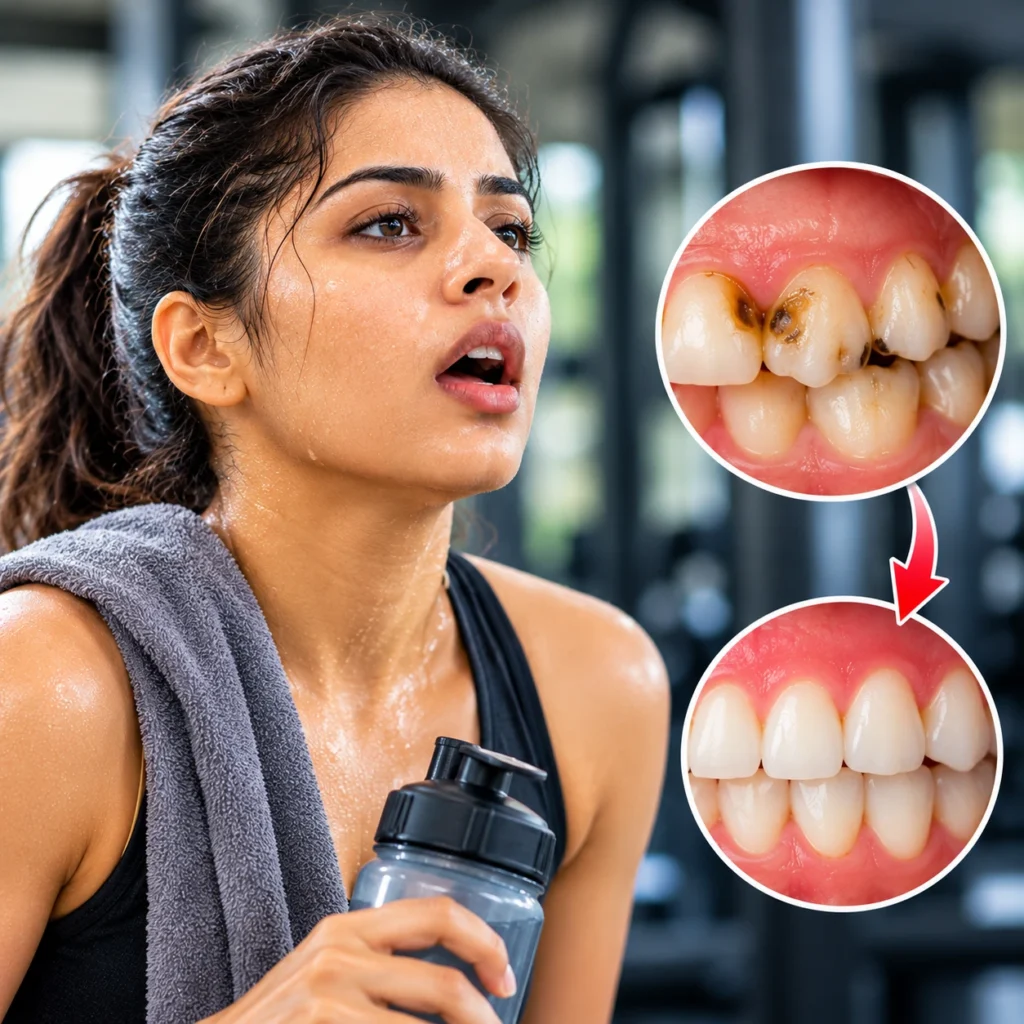
When you hit the gym for high-intensity training, you’ll be focused on giving your maximum. However, your drive for peak physical conditioning might be leading to an unintended consequence on your teeth. Chronic workout-induced mouth breathing. Regular exercise provides undeniable systemic health benefits. However, shifting from nasal respiration to continuous open-mouth breathing during intense sets strips your mouth of its ultimate defense mechanism—saliva. Without this crucial fluid, your oral cavity undergoes rapid dehydration, transforming a great workout session into a hidden trigger for enamel erosion, bacterial proliferation, and accelerated dental decay. Protecting your athletic performance should never come at the cost of your smile.
Why Heavy Exertion Dries Your Mouth
During high-ventilation cardio sets and intense training zones, your oxygen demand spikes dramatically as your body works to sustain metabolic output near VO2 max exertion. To accommodate this heightened respiratory drive, athletes naturally open their mouths to intake greater volumes of air quickly. However, this physiological shift creates severe environmental stress within the oral cavity. Rapid, heavy airflow moving continuously across delicate oral tissues evaporates moisture at an accelerated rate, triggering acute xerostomia (dry mouth).
Bypassing nasal breathing removes your body’s built-in respiratory conditioning system. The nasal passages are engineered to filter out foreign particles while warming and humidifying incoming air before it reaches the respiratory tract. When heavy physical exertion forces open-mouth breathing, unconditioned air surges straight into the oral cavity. During long workouts or heavy lifting sets, this relentless airflow strips away mucosal moisture and accelerates drying, halting active salivary circulation and leaving soft tissues vulnerable.
Saliva as a Shield: The Four Vital Protective Functions
Saliva is far more than mere moisture; it is a specialized, biologically active fluid packed with protective proteins, mucins, bicarbonate buffers, and vital mineral ions. In sports dentistry, saliva serves as an athlete’s primary biological shield against mechanical wear, chemical erosion, and bacterial invasion. When workout-induced mouth breathing halts salivary flow, the oral environment loses its primary natural defenses.
|
Protective Function
|
Mechanism of Action
|
Impact of Saliva Depletion
|
|---|---|---|
|
Acid Buffering
|
Utilizes natural bicarbonate and phosphate buffers to neutralize lactic and bacterial acids, stabilizing oral pH.
|
Environmental acid levels remain elevated for hours, directly dissolving protective tooth enamel.
|
|
Enamel Remineralization
|
Delivers essential calcium and phosphate ions to repair microscopic enamel damage before cavities form.
|
Teeth lose their continuous mineral supply, allowing microscopic demineralization to progress to full lesions.
|
|
Mechanical Cleansing
|
Continuously flushes away lingering food debris, starches, and cellular waste from dental surfaces.
|
Plaque and debris accumulate in stagnant areas of the dental arch, accelerating bacterial growth.
|
|
Bacterial Control
|
Deploys antimicrobial proteins and enzymes to suppress and control harmful oral bacterial populations.
|
Cariogenic bacterial colonies multiply unchecked, increasing the risk of active oral infections and decay.
|
Acidic pH Drops and Bacterial Proliferation
When exercise-induced dry mouth sets in, the chemical balance of your oral cavity collapses. In a healthy oral environment with normal saliva flow, acids produced during exercise or eating are neutralized within 20 to 30 minutes.
However, continuous open-mouth breathing drops oral pH levels past the critical threshold where enamel demineralization begins. Scientific research, including a landmark University of Otago study on mouth breathing, demonstrates that open-mouth airflow causes oral pH to plunge into a highly acidic range. While that study evaluated sleeping subjects, the underlying physics directly applies to high-intensity training: both conditions involve prolonged, uninterrupted oral airflow without the protective buffering provided by active swallowing and normal resting saliva flow.
This dry, low-pH environment creates optimal conditions for cariogenic bacteria, most notably Streptococcus mutans, to rapidly multiply and produce lactic acid. Instead of returning to a neutral baseline within 30 minutes post-workout, an unbuffered, dehydrated mouth remains acidic for hours. During this extended window, unchecked acidity aggressively leaches calcium and phosphate from tooth enamel, accelerating early microscopic demineralization into permanent dental cavities.
Severe Dental Consequences for Athletes ?
When workout-induced dry mouth is left unchecked, ongoing environmental acidity and bacterial proliferation lead to severe dental complications:
- Accelerated Cavities & Enamel Erosion:Continuous acid exposure strips essential minerals from tooth structure. Without active salivary remineralization, early microscopic enamel erosion quickly progresses into full structural cavities across vulnerable tooth surfaces.
- Gum Inflammation & Periodontal Disease:The loss of antimicrobial saliva allows thick bacterial plaque to collect along the gumline. This accumulation triggers localized tissue inflammation, resulting in red, swollen, or bleeding gums (gingivitis) that can advance to destructive periodontal disease.
- Halitosis (Chronic Bad Breath):In a dehydrated oral cavity, anaerobic and cariogenic bacteria thrive and multiply exponentially. As these bacterial populations flourish, they release volatile sulfur compounds, resulting in persistent post-workout bad breath.
- Increased Tooth Sensitivity:As persistent acidity erodes protective enamel and exposes underlying dentin, internal neural pathways become reactive. Athletes frequently experience sharp tooth sensitivity when consuming hot, cold, or sweet intra-workout nutrition.
How Athletes Can Protect Their Smiles?
Protecting your teeth during physical conditioning does not require reducing your workout intensity. By adopting targeted, evidence-based preventive strategies, athletes can maintain peak athletic output while safeguarding their smiles:
- Prioritize Strategic Intra-Workout Hydration:Sip small amounts of water frequently during set breaks rather than chugging large quantities post-workout. Frequent rinsing mimics mechanical cleansing and keeps oral tissues moist when saliva production drops.
- Train Nasal Breathing Mechanics:Focus on nasal breathing during warm-ups, cool-downs, and moderate steady-state cardio. Integrate conscious “lip seal” recovery—keeping your lips closed and breathing through your nose—between high-intensity interval sets.
- Chew Sugar-Free Gum Post-Session:Chew sugar-free gum after training to mechanically stimulate salivary glands and accelerate post-workout acid neutralization.
- Manage Nasal Airflow & Athletic Gear:Address underlying nasal congestion with sprays or strips, and ensure custom athletic mouthguards fit properly so they do not force unnatural open-mouth breathing during intense sets.
- Schedule Regular Sports Dental Checkups:Visit a sports dentist for routine evaluations to catch early microscopic enamel erosion, plaque buildup, and dry mouth damage before severe decay forms.
Conclusion
Optimizing your physical fitness and cardiovascular stamina should never require sacrificing your dental health. By understanding how exercise-induced mouth breathing deprives your teeth of protective saliva, you can make simple intra-workout adjustments to safeguard your enamel. Monitor your breathing mechanics during high-intensity sessions, maintain steady hydration between sets, and consult a dental professional if you experience persistent dry mouth or tooth sensitivity post-workout.