
Root Canal Treatment in Children (PULPECTOMY)
A “baby root canal,” also known as a pulpectomy is a safe and effective dental procedure performed to save a child’s baby tooth. Understanding why this treatment is necessary and how it works can help parents make informed decisions about their child’s oral health.
Why should we save baby teeth?
Baby teeth or milk teeth may seem small, but their role in your child’s dental development is huge. Many parents assume that as these teeth are temporary and will fall out eventually, so they don’t require the same care and attention as adult teeth. But neglecting these milk teeth can lead to future issues that can affect a child’s health, confidence and even development of permanent teeth.
Baby teeth are essential for the most basic daily functions:
- Chewing: Proper chewing is necessary for proper nutrition. Missing or painful teeth can make them avoid healthy foods like fruits, vegetables, and proteins.
- Speech Development: Teeth help in phonetics or helps in forming sounds. Losing them early can interfere with normal speech development and cause lisps or unclear pronunciation.
- Building Confidence: Decayed or missing front teeth can make them self-conscious and this will impact their self-esteem in social scenarios like schools or gatherings.
Hence saving these precious gems are worth it. This is where the Baby Root Canal Treatment or Pulpectomy can help your child.
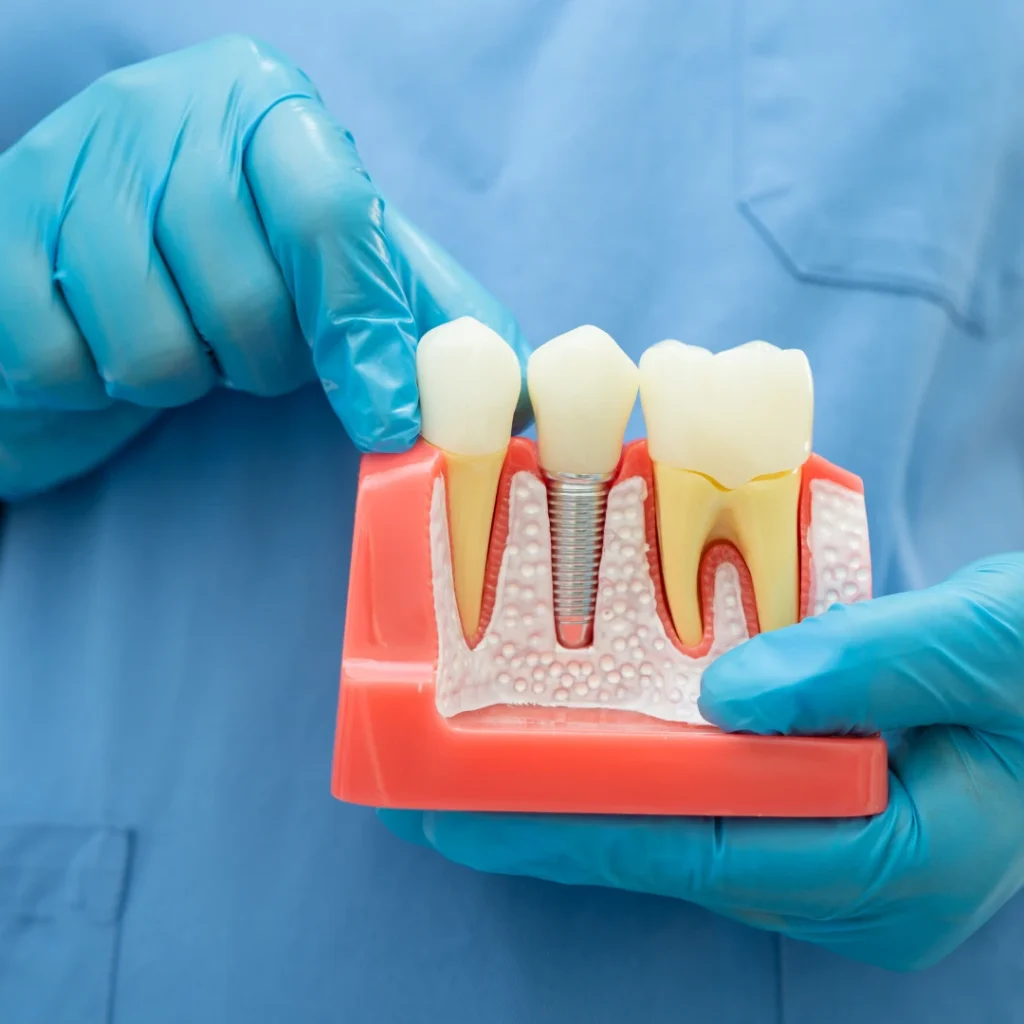
What is Pulpectomy?
A pulpectomy is a dental treatment that involves the removal of the pulp from a decayed or infected primary (baby) tooth. The pulp is the soft tissue inside the tooth that contains nerves and blood vessels. In cases where the pulp becomes infected or damaged, a pulpectomy is performed to clean out the infected tissue, disinfect the area, and fill the space to preserve the tooth. This treatment helps prevent the spread of infection and ensures that the baby tooth remains functional until it naturally falls out to make room for the permanent tooth.
Signs Your Child Might Need One
Children can’t always clearly express dental pain, so it’s important for parents to watch for warning signs. Some common symptoms include:
- Persistent toothache or sensitivity to hot and cold foods
- Swelling or redness around the gums
- A discoloured tooth
- Pain while chewing or having food
- Pus or a small bump on the gums near the tooth
If you notice any of these signs, it’s important to visit a dentist promptly. Early treatment can prevent the infection from spreading and reduce the need for more complex procedures.
Is It Safe for Children?
Yes, baby root canals are considered very safe. Paediatric dentists are specially trained to work with children and use techniques that minimize discomfort and anxiety. The materials used are biocompatible and designed specifically for baby teeth.
In fact, saving the natural tooth is often safer and more beneficial than extracting it prematurely, which can lead to spacing issues and the need for orthodontic treatment later.

How does a Pulpectomy Work?
Many parents worry about how their child will handle a root canal, but modern Paediatric Dentistry is designed to be as comfortable and stress-free as possible.
The procedure usually involves the following steps:
- Examination and X-rays
The Paediatric dentist will examine the tooth and take X-rays to assess the extent of the damage.
- Numbing the Area
A local anaesthetic is used to ensure your child doesn’t feel pain during the procedure.
- Removing the Infection
The dentist carefully removes the infected pulp from inside the tooth.
- Cleaning and Filling
The inside of the tooth is cleaned and filled with a biocompatible material that helps maintain the tooth until it naturally falls out.
- Restoration
The treatment is completed with a permanent filling and in some cases, a crown is placed over the tooth to protect it and restore its normal function.
The entire process is typically completed in one or two visits, depending on the severity of the infection.
What are the Benefits of Pulpectomy?
- Prevents Tooth Loss:
By preserving the baby tooth, a pulpectomy ensures your child’s tooth remains intact, allowing them to chew and speak properly while awaiting the permanent tooth.
- Prevents Spread of Infection:
Removing infected tissue and disinfecting the tooth helps stop the infection from spreading to other teeth or the surrounding tissues.
- Maintains Proper Space for Permanent Teeth:
Keeping the primary tooth in place helps maintain the necessary space in the mouth for the permanent tooth to come in correctly.
- Relieves Pain and Discomfort:
Pulpectomy can eliminate the pain caused by infection or decay in the pulp, improving your child’s comfort.
- Promotes Healthy Oral Development:
By preserving the baby teeth, your child’s dental development can continue on track, ensuring that they have the proper number of teeth for speaking, eating, and smiling.
- Minimizes the Need for Extraction:
A pulpectomy prevents the need for early tooth extraction, which could lead to other dental issues such as misalignment or crowding of the permanent teeth.
Care After Pulpectomy
- Avoid hard or sticky foods until the tooth has fully healed.
- Good oral hygiene is essential to prevent further decay or infection.
- Antibiotics and pain medications should be taken as prescribed
- Your child may also need to go for follow-up appointments to check on the healing process.
A baby root canal may sound intimidating at first, but it’s a routine and highly beneficial procedure in paediatric dentistry. It helps relieve pain, eliminate infection, and preserve your child’s natural tooth until it’s ready to fall out on its own.
As a parent, staying informed and proactive about your child’s dental health is the best thing you can do. Regular dental visits, good hygiene practices, and early intervention can go a long way in ensuring a healthy, happy smile for years to come.