
ALIGNERS OR BRACES: CHOOSE WISELY
Have you been thinking about straightening your teeth but are confused about whether to choose clear aligners or braces? You’re not alone. One of the most common questions patients ask during an orthodontic consultation is, “Which is better: braces or aligners?”
The truth is, there is no one-size-fits-all answer. Both clear aligners and traditional braces are effective orthodontic treatment options that can transform your smile, improve your bite, and enhance your oral health. The ideal choice depends on your dental condition, lifestyle, age, treatment goals, and commitment to following your orthodontist’s instructions.
Here, we’ll compare aligners vs braces, discuss their advantages and limitations, and help you understand which treatment may be best for your smile.
Why Straightening Your Teeth Matters
Orthodontic treatment is much more than achieving straight teeth or getting a beautiful smile. Properly aligned teeth contribute to better oral health and overall well-being by:
- Correcting bite problems
- Lowering the risk of gum disease and tooth decay
- Improving chewing efficiency
- Enhancing speech
- Reducing excessive tooth wear
- Making brushing and flossing easier
- Boosting self-confidence with a beautiful smile
Whether you’re considering clear aligners or braces, both treatments aim to create a healthy, functional, and aesthetically pleasing smile.
What Are Traditional Braces?
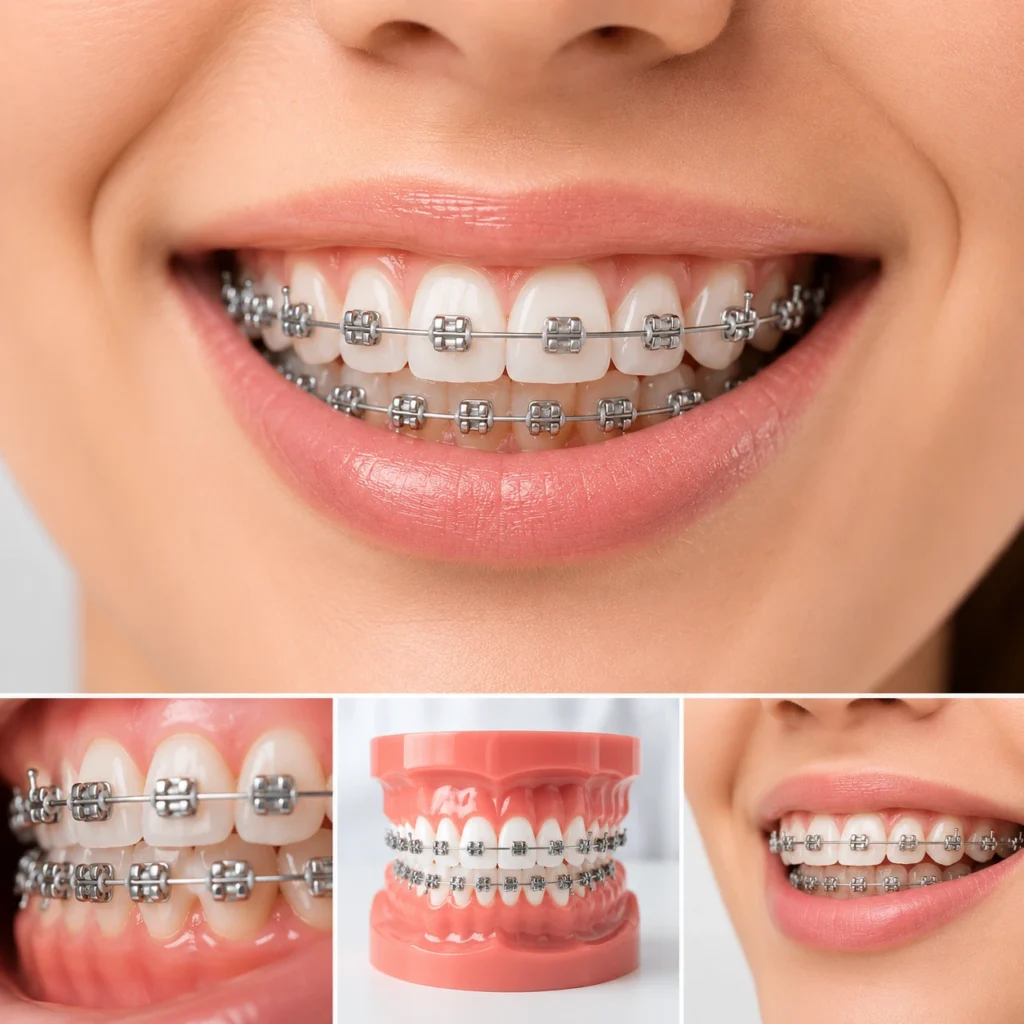
Traditional braces use metal or ceramic brackets attached to the teeth and connected with orthodontic wires. These wires are adjusted periodically by an orthodontist to guide the teeth into their ideal positions.
Modern braces are smaller, more comfortable, and more efficient than ever before. They remain one of the most reliable methods for correcting both simple and complex orthodontic problems.
Benefits of Braces
- Excellent for Complex Cases
Braces are highly effective for treating:
- Severe crowding
- Rotated teeth
- Large gaps
- Deep bites
- Open bites
- Crossbites
- Underbites
- Impacted teeth
- Continuous Tooth Movement
Since braces are fixed to your teeth, they work 24 hours a day without relying on patient compliance.
- Precise Tooth Control
Orthodontists have greater control over individual tooth movement, making braces ideal for complicated treatment plans.
- Suitable for All Ages
Braces remain an excellent option for children, teenagers, and adults.
Limitations of Braces
While braces are extremely effective, they also require:
- Extra care while brushing and flossing
- Avoiding sticky, hard, and crunchy foods
- Regular orthodontic adjustments
- Temporary discomfort after wire changes
Braces vs Aligners: Which Is Better?
1. Appearance
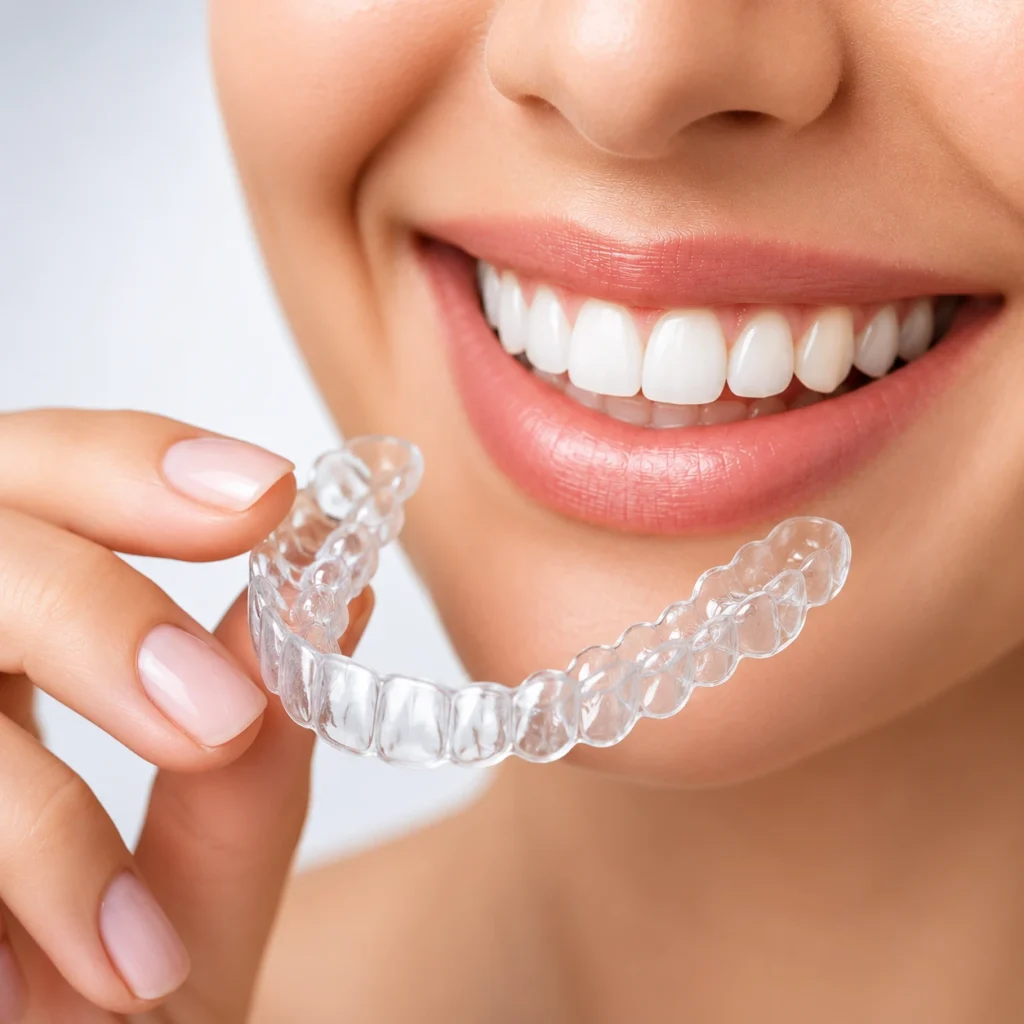
If appearance is your biggest concern, clear aligners are the preferred option because they are nearly invisible.
Braces remain visible, although ceramic braces provide a more aesthetic alternative.
2. Comfort
Aligners generally offer greater comfort since they lack metal brackets and wires.
Braces may initially cause soreness and occasional irritation.
3. Oral Hygiene
Maintaining oral hygiene is easier with aligners because they are removable.
Patients with braces require additional cleaning aids to effectively remove plaque around brackets.
4. Food Restrictions
Braces require avoiding foods that may damage brackets.
With aligners, you simply remove them before eating.
5. Treatment Complexity
Braces remain the best option for:
- Severe crowding
- Complex bite corrections
- Significant tooth rotations
- Impacted teeth
Aligners are excellent for:
- Mild to moderate crowding
- Gaps between teeth
- Relapse after previous orthodontic treatment
- Many moderate bite corrections
6. Treatment Time
Average treatment duration:
Braces: 12-18 months
Clear Aligners: 4-6 months
May change depending on the case severity and Patient cooperation significantly influence aligner treatment.
Who Should Choose Clear Aligners?
You may be an ideal candidate if you:
- Want a discreet treatment option
- Can commit to wearing aligners for 20–22 hours daily
- Have mild to moderate orthodontic concerns
- Maintain excellent oral hygiene
Who Should Choose Braces?
Braces may be the better option if you:
- Have severe bite problems
- Need complex tooth movement
- Have impacted teeth
Cost of Braces vs Aligners
The cost of orthodontic treatment depends on:
- Complexity of the case
- Duration of treatment
- Type of orthodontic appliance
- Digital planning requirements
- Orthodontist’s expertise
While clear aligners may sometimes cost more than traditional braces, choosing the treatment best suited to your needs often provides greater long-term value and more predictable results.
Don't Forget Your Retainers!
Completing treatment is only the beginning. Once your braces are removed or your final aligner is finished, your orthodontist will provide retainers to maintain your new smile.
Without retainers, teeth naturally tend to shift over time. Wearing them as instructed is essential to preserving your results.
Why an Orthodontic Consultation Is Essential
The decision between braces and clear aligners should always be made after a thorough examination by an experienced orthodontist.
Clinical evaluation, digital scans, photographs, and X-rays help determine the most effective and safest treatment for your individual needs.
Choosing orthodontic treatment based solely on cost or appearance may not deliver the best long-term results.
Final Thoughts
When it comes to aligners vs braces, there is no universally better option—only the option that is best for you. Both treatments are capable of delivering beautiful, healthy smiles when planned and supervised by an experienced orthodontist.
If you value discretion, flexibility, and convenience, clear aligners may be the ideal solution. If your case involves complex tooth movement or significant bite correction, traditional braces may offer the most predictable outcome.
The first step is a professional consultation. A personalised treatment plan ensures that your smile journey is safe, effective, and tailored to your unique needs.
Your perfect smile starts with the right choice—not the most popular one.