
How to Manage Cavities in Children
Cavities are a common dental issue that children face, and as a parent, it is essential to know how to manage them effectively. In this article, we will discuss some tips and strategies on how to prevent cavities in children and how to treat them if they occur.
Understanding Cavities in Children
What are Cavities?
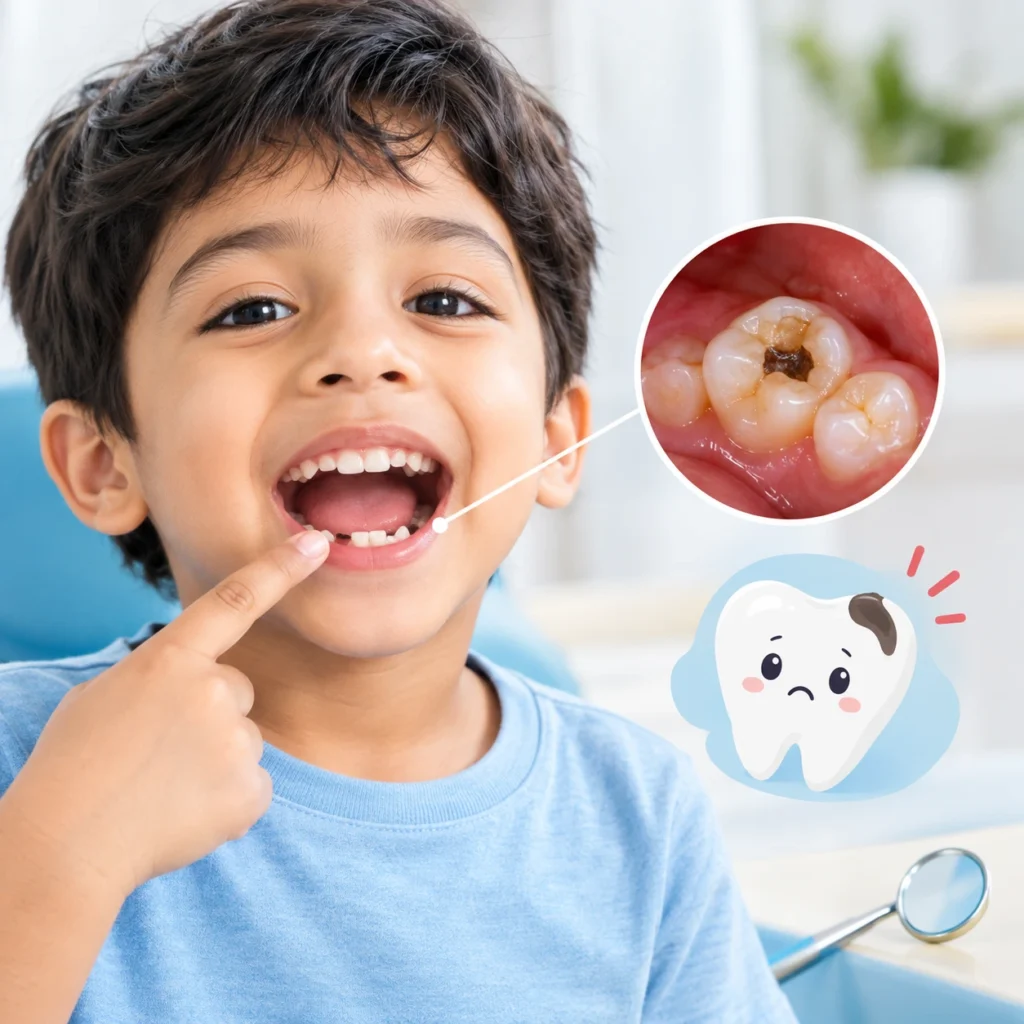
Cavities, also known as tooth decay, are areas of damage to the tooth enamel that result in small holes. They are caused by a combination of factors, including bacteria in the mouth, sugary foods and drinks, poor oral hygiene, and genetics.
How do Cavities Develop in Children?
When children consume sugary foods and drinks, the bacteria in their mouth feed on the sugars and produce acids that attack the tooth enamel. Over time, these acid attacks can weaken the enamel and lead to the formation of cavities.
Signs Your Child May Have a Cavity
- Toothache: One of the most common signs of a cavity in children is a toothache. If your child is complaining of pain or discomfort in their teeth, it’s important to take them to the dentist for a check-up.
- Sensitivity to Hot or Cold: If your child experiences sensitivity to hot or cold foods and drinks, it could be a sign of a cavity. This sensitivity can be caused by the erosion of the enamel on their teeth, exposing the nerves inside.
- Visible Holes or Pits: If you notice any visible holes, pits, or dark spots on your child’s teeth, it’s crucial to have them examined by a dentist. These are common signs of cavities that require prompt treatment.
- Bad Breath: Persistent bad breath in children can also be an indication of a cavity. Bacteria build-up in the mouth due to cavities can lead to foul-smelling breath that doesn’t go away even with regular brushing.
- Difficulty Chewing: Cavities can cause pain and discomfort when chewing, leading to difficulty in eating certain foods. If your child is avoiding certain foods or complaining of pain while eating, it could be due to a cavity.
Preventing Cavities in Children
- Encourage Good Oral Hygiene
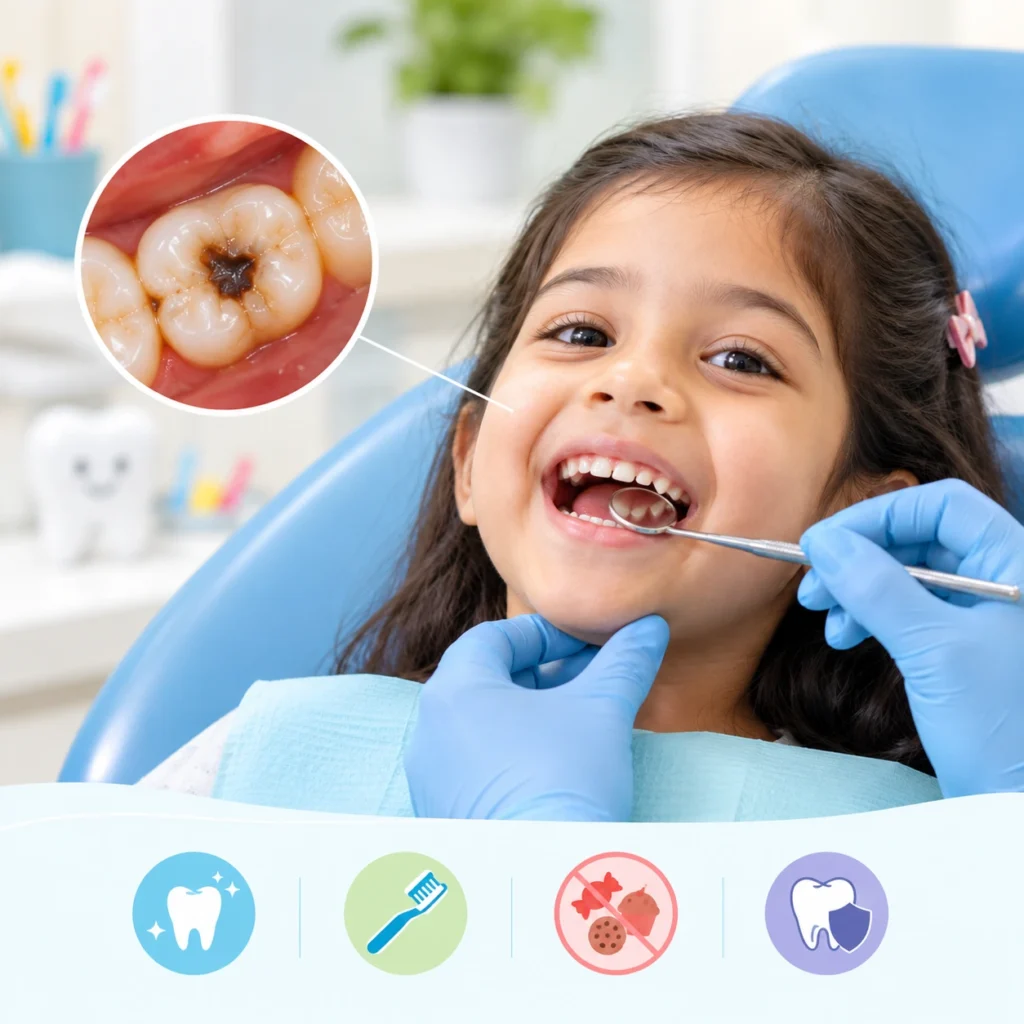
Teach your children the importance of brushing their teeth twice a day and flossing regularly. Make sure they use a fluoride toothpaste to help strengthen their enamel and prevent cavities.
2. Limit Sugary Foods and Drinks
Limit the consumption of sugary snacks and drinks, such as candy, soda, and fruit juices. Encourage your children to eat a balanced diet rich in fruits, vegetables, and whole grains.
3. Schedule Regular Dental Check-ups
Take your children to the dentist for regular check-ups and cleanings. The dentist can detect cavities early on and provide treatment before they worsen.
Managing Cavities in Children
- Fluoride Treatment
Your child’s dentist may recommend fluoride treatment to help strengthen the enamel and prevent further decay. This treatment can be applied as a gel, foam, or varnish.
2. Dental Fillings
If your child has a cavity, the dentist will need to remove the decayed part of the tooth and fill it with a dental filling. This will prevent the cavity from getting larger and restore the tooth’s functionality.
3. Dental Crowns
In some cases, if the cavity is large or if the tooth is weakened, the dentist may recommend placing a dental crown over the tooth to protect it from further damage.
4. Root Canal Treatment
If the cavity has reached the pulp of the tooth and caused an infection, your child may need a root canal treatment to remove the infected tissue and save the tooth.
Conclusion
Cavities are a common dental issue in children, but with proper prevention and treatment, they can be managed effectively. By encouraging good oral hygiene, limiting sugary foods, scheduling regular dental check-ups, and seeking appropriate treatment when needed, you can help your child maintain a healthy smile. Remember, prevention is always better than cure when it comes to cavities in children.