
Should Baby Teeth Get Crowns?
As parents, we always want the best for our children, especially when it comes to their health. So when a dentist recommends putting a crown on a baby tooth, it can raise questions and concerns. Why would a dentist put a crown on a baby tooth? Is it really necessary? In this article, we will explore the reasons why dentists may recommend crowns for baby teeth.
Understanding the Importance of Baby Teeth
Baby teeth, also known as primary teeth, play a crucial role in a child’s development. They help with chewing, speech development, and holding space for permanent teeth to erupt properly. Losing baby teeth too early due to decay or damage can lead to alignment issues and other dental problems in the future.
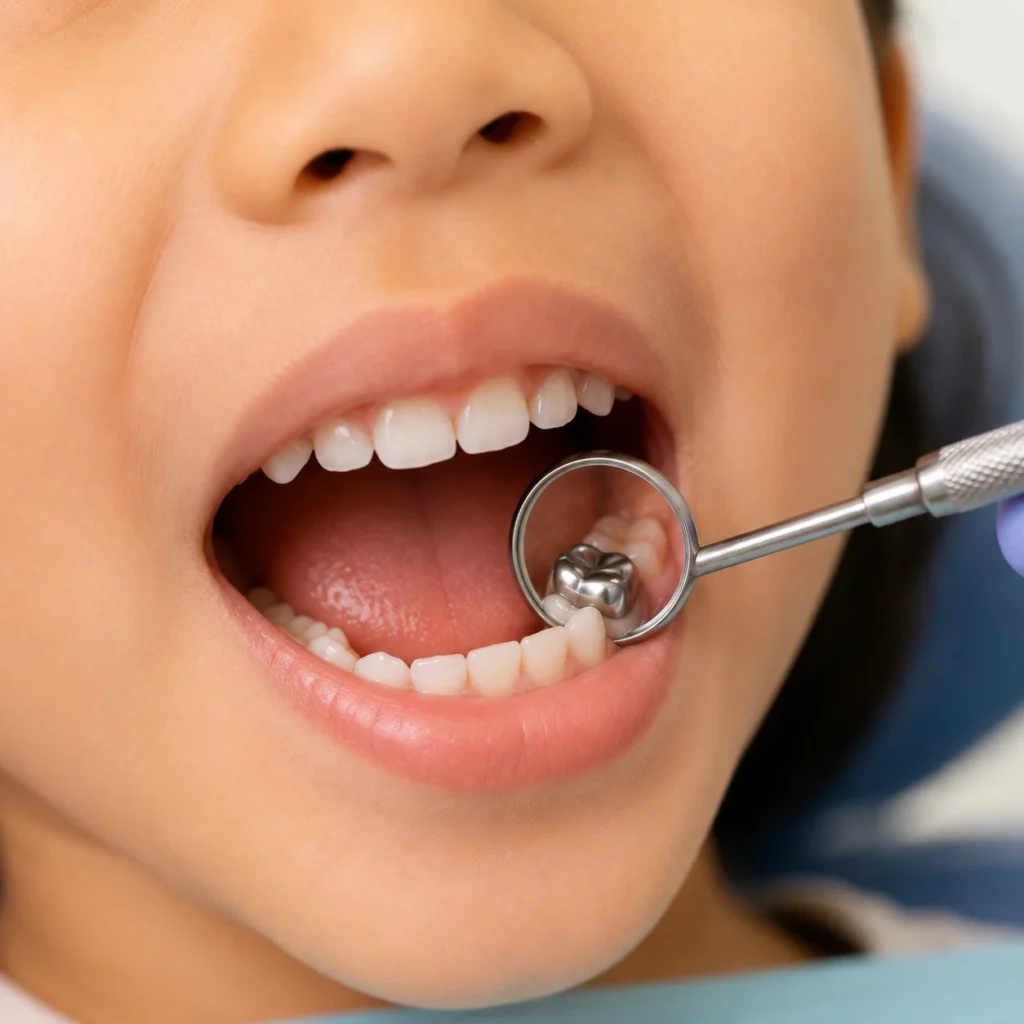
When is a Crown Necessary for Baby Teeth?
In some cases, baby teeth may become severely decayed or damaged, making it necessary for a dentist to place a crown on the tooth. Here are some reasons why a dentist may recommend a crown for a baby tooth:
Severe Decay:
If a baby tooth has extensive decay that cannot be restored with a filling, a crown may be the best option to protect the tooth and prevent further damage.
Fractured Tooth:
If a baby tooth is fractured or broken, a crown can help restore the tooth’s strength and function.
Pulp Therapy:
In cases where a baby tooth undergoes pulp therapy due to infection or inflammation, a crown may be recommended to protect the treated tooth.
Benefits of Crowns on Baby Teeth
While the idea of putting a crown on a baby tooth may seem extreme, there are actually several benefits to this procedure:
- Protection: Crowns provide added protection to the baby tooth, preventing further decay or damage.
- Restoration: Crowns can restore the shape, size, and function of a damaged baby tooth, allowing the child to chew and speak properly.
- Prevention: By preserving a baby tooth with a crown, it helps maintain proper alignment and spacing for the permanent teeth to come in correctly.
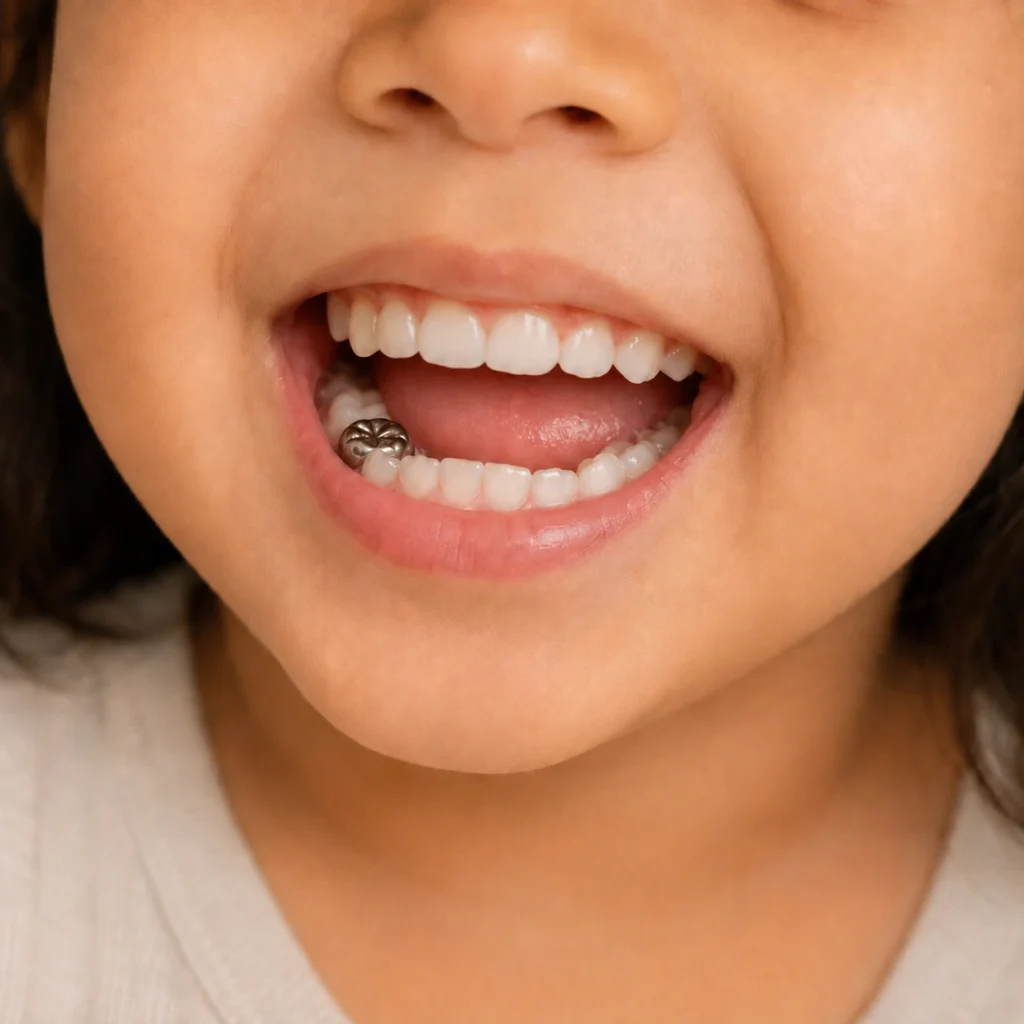
How Are Crowns Placed on Baby Teeth?
The process of placing a crown on a baby tooth is similar to that of an adult tooth. The dentist will first numb the area to ensure the child is comfortable. Then, they will remove any decay or damage from the tooth and reshape it to fit the crown properly. The crown is then cemented into place, providing a durable and long-lasting solution.
Conclusion
While the idea of putting a crown on a baby tooth may sound alarming, it is often a necessary and beneficial treatment to protect the child’s oral health. By understanding the importance of baby teeth and the reasons why dentists may recommend crowns, parents can make informed decisions regarding their child’s dental care. Remember, a healthy smile starts with healthy baby teeth!