
Revealing the Concealed Facts of Digital Dentistry
Are you considering enhancing your smile with the latest technology in dentistry? Have you heard about the wonders of digital dentistry but are still unsure about what it entails? In this article, we will dive deep into the realm of digital dentistry and uncover the hidden truth behind this revolutionary approach to oral care.
What is Digital Dentistry?
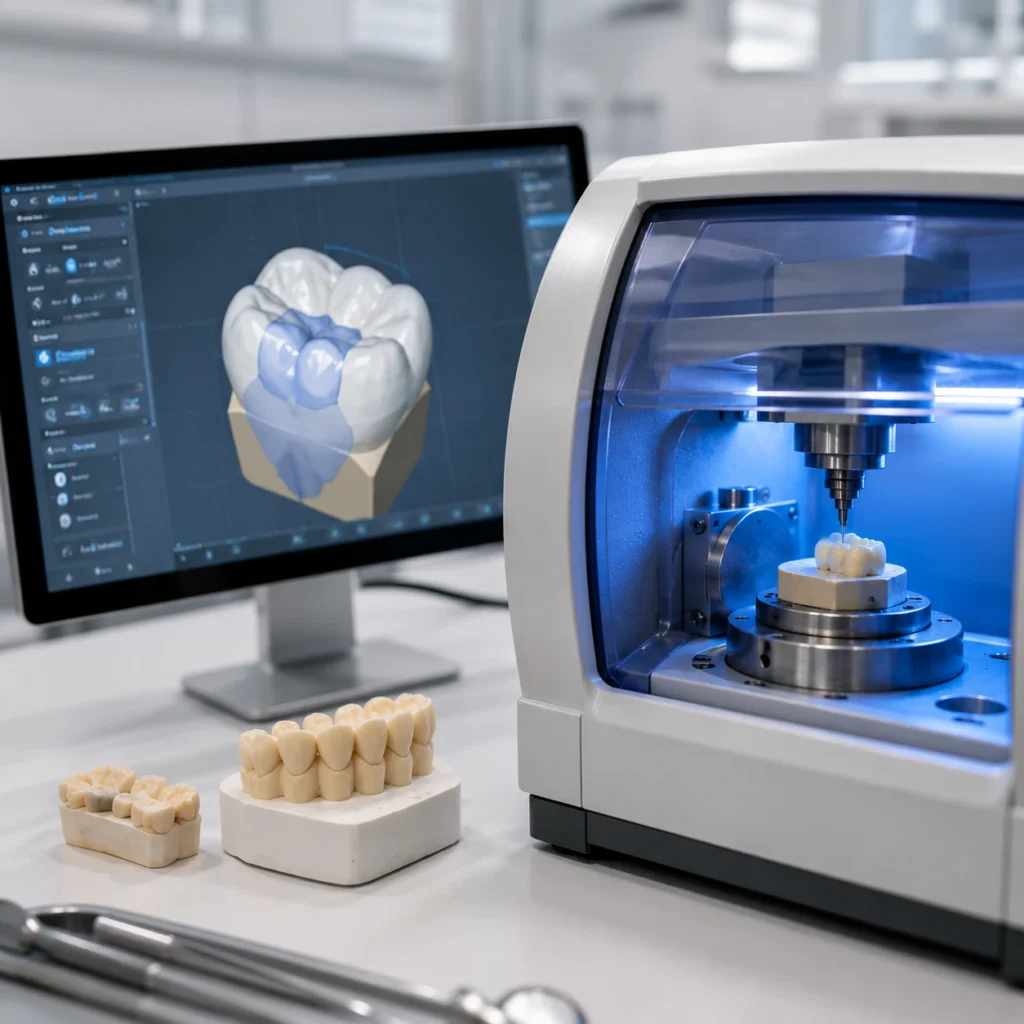
Digital dentistry is a modern approach to dental care that utilizes advanced digital technologies to improve the accuracy, efficiency, and effectiveness of various dental procedures. From digital smile design to computer-aided implant placement, digital dentistry offers a wide range of benefits for both patients and dental practitioners.
The Benefits of Digital Dentistry
One of the key benefits of digital dentistry is the enhanced precision and accuracy it provides during diagnostics and treatment planning. With the use of 3D imaging, digital scanners, and virtual simulations, dentists can create personalized treatment plans tailored to each patient’s unique needs.
Another advantage of these advanced technologies is the improved patient experience. Digital technologies allow for faster treatment times, reduced discomfort, and more predictable outcomes, leading to higher patient satisfaction and better overall results.
Digital Smile Design: Transforming Smiles with Precision
One of the most popular applications of digital dentistry is digital smile design. This innovative technique uses digital imaging software to design and preview the final results of cosmetic dental procedures, such as veneers, crowns, and teeth whitening.
By using digital smile design, dentists can show patients a realistic simulation of their new smile before any treatment is performed. This not only helps patients visualize the potential results but also allows dentists to make adjustments and improvements to achieve the desired outcome.
Scanning Technology in Dentistry
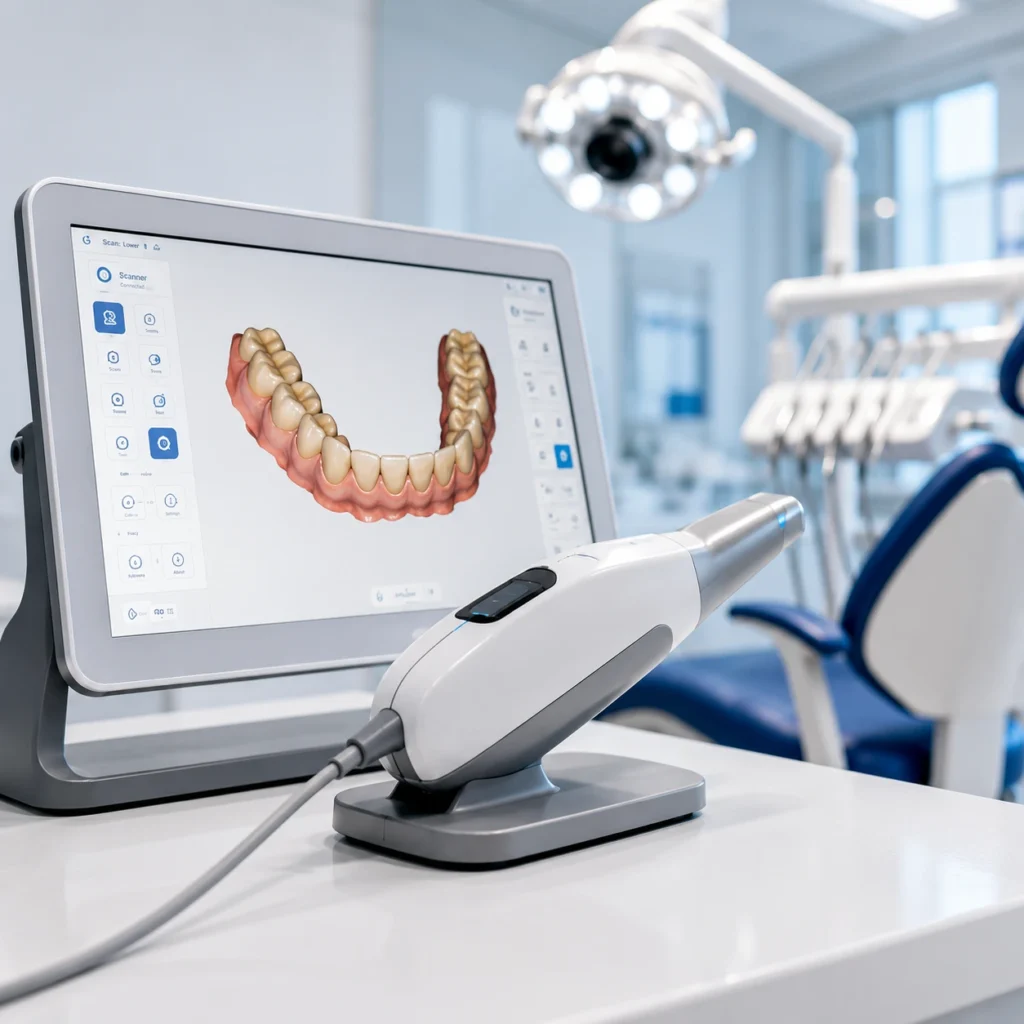
One of the key components of digital dentistry is the use of scanning technology to create precise digital impressions of the patient’s teeth and mouth. This eliminates the need for messy traditional impressions and provides dentists with detailed 3D images for treatment planning. Intraoral scanners have become increasingly popular in dental practices, allowing for faster, more accurate, and more comfortable dental appointments for patients.
Treatment with Artificial Intelligence
Artificial intelligence (AI) is making its mark in dentistry by assisting dentists in diagnosing, treatment planning, and even performing certain procedures. AI algorithms can analyze large amounts of patient data to identify patterns and provide valuable insights for personalized treatment plans. From detecting cavities to creating optimal treatment pathways, AI is enhancing the precision and efficiency of dental treatments.
Guided Implant Surgery
Guided implant surgery is a revolutionary technique that uses digital imaging and computer-guided tools to precisely place dental implants in the jawbone. By carefully planning the implant placement using 3D imaging software, dentists can ensure optimal positioning and avoid potential complications during the surgery. This minimally invasive approach reduces patient discomfort and accelerates the healing process, leading to successful outcomes.
Conclusion
Digital dentistry is a modern approach to dental care that harnesses advanced digital technologies to enhance the accuracy, efficiency, and effectiveness of various dental procedures. This innovative approach offers benefits such as improved precision in diagnostics and treatment planning through the use of 3D imaging, digital scanners, and virtual simulations. Overall, digital dentistry provides patients and dental practitioners with a wide range of advantages, making it a revolutionary approach to oral care.