
Pulp Polyp: What You Should Know
Are you familiar with the term “Pulp Polyp”? If not, don’t worry! In this article, we will dive deep into this dental condition and provide you with all the information you need to know. From causes to symptoms, and treatment options, we’ve got you covered. So, let’s get started!
What Is a Pulp Polyp?
A pulp polyp, also known as chronic hyperplastic pulpitis, is a dental condition that develops when inflammation affects the pulp inside a tooth. The pulp is the soft tissue at the center of a tooth and contains blood vessels, nerves, and connective tissue. When decay or damage allows bacteria to enter the pulp, the bacteria can cause infection and inflammation.
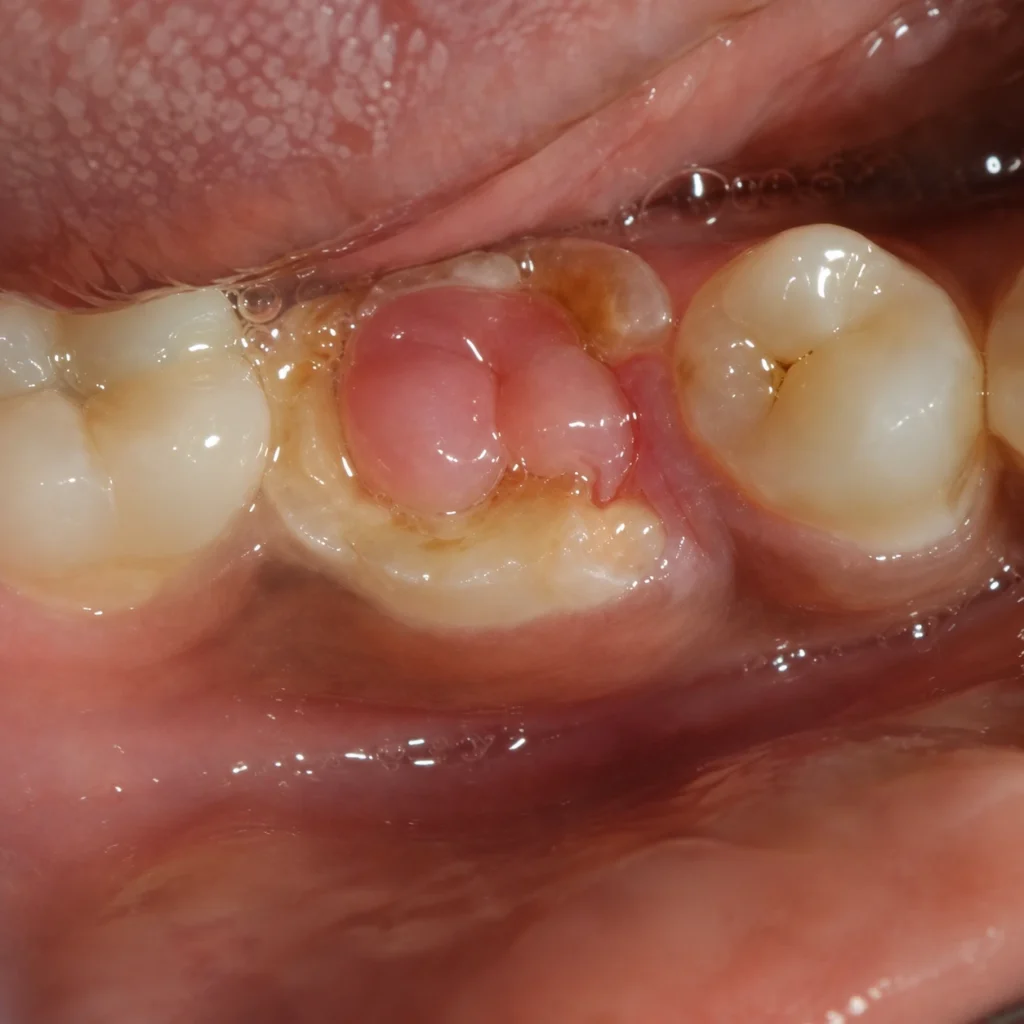
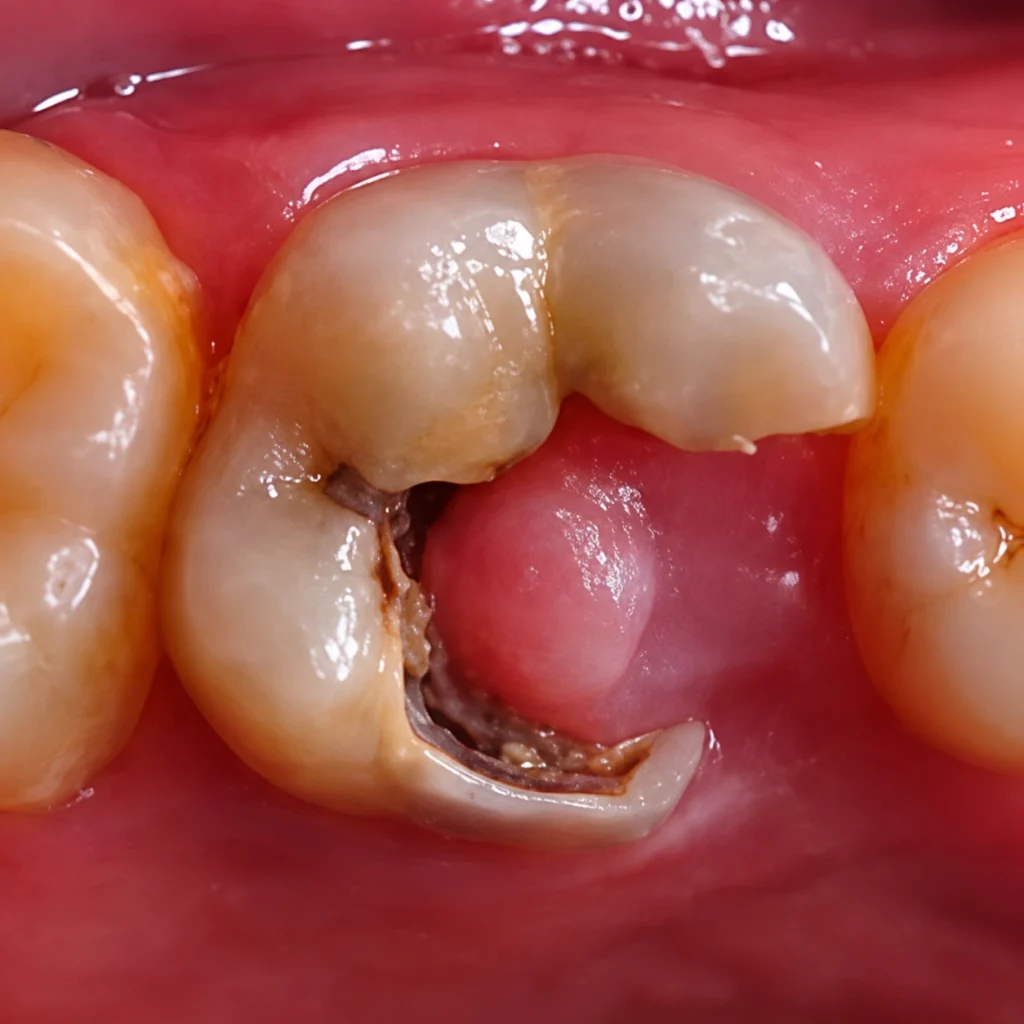
A pulp polyp has a distinct appearance. Unlike a typical dental abscess, which can cause severe pain and swelling, a pulp polyp can grow outward from the pulp chamber and form a pinkish-red mass that protrudes into the oral cavity. The body develops this growth as an attempt to protect the tooth from further damage and infection.
What Causes a Pulp Polyp?
Several factors can lead to the development of a pulp polyp. The most common cause is untreated tooth decay. When a cavity is left untreated, bacteria can penetrate the tooth’s enamel and dentin, reaching the pulp and causing an infection. Trauma to the tooth, such as a fracture or chip, can also result in the formation of a pulp polyp.
In some cases, a pulp polyp can develop as a response to irritation or injury to the pulp tissue. This can occur due to repeated dental procedures on the same tooth, aggressive tooth brushing, or grinding of the teeth. Additionally, poor oral hygiene practices, such as infrequent brushing and flossing, can increase the risk of developing pulp polyps.
Common Symptoms of Pulp Polyp
- Persistent Toothache: One of the primary symptoms of a pulp polyp is a persistent toothache that worsens when eating or applying pressure to the affected tooth.
- Swollen Gums: In some cases, the gums surrounding the affected tooth may become swollen and tender to the touch.
- Sensitivity to Temperature: Individuals with a pulp polyp may experience increased sensitivity to hot and cold temperatures, making eating and drinking uncomfortable.
- Visible Pulp Tissue: In advanced cases, the pulp polyp may be visible as a pink or red mass protruding from the tooth’s root canal.
- Bad Taste or Odor: Some individuals may notice a bad taste or odor coming from the infected tooth due to the presence of bacteria and decaying tissue.
How Is Pulp Polyp Diagnosed?
When a patient presents with symptoms suggestive of a pulp polyp, a dentist will perform a thorough oral examination to evaluate the affected tooth. The following diagnostic methods may be used:
- X-rays: Dental X-rays can help dentists visualize the internal structures of the affected tooth, including the pulp chamber and roots.
- Pulp Vitality Tests: These tests assess the health and responsiveness of the dental pulp to different stimuli, helping to confirm the presence of a pulp polyp.
- Clinical Examination: The dentist will visually inspect the affected tooth and surrounding tissues for signs of inflammation, infection, or visible pulp tissue.
- Percussion Testing: By tapping the tooth gently with a dental instrument, the dentist can assess pain and sensitivity levels, which can indicate the presence of a pulp polyp.
How Is Pulp Polyp Treated?
Treatment for pulp polyp typically involves removing the affected pulp tissue and cleaning out the root canal system to eliminate any infection. The procedure, known as root canal therapy, is performed by a dentist or endodontist. Here is an overview of the treatment process:
- Diagnosis: The dentist will conduct a thorough examination and may order X-rays to determine the extent of the infection.
- Root Canal Therapy: During the procedure, the dentist will numb the affected tooth and remove the infected pulp tissue. The root canal system is then cleaned, shaped, and filled to prevent reinfection.
- Extraction: In severe cases where the tooth cannot be saved, extraction may be recommended to prevent the spread of infection to surrounding teeth.
- Follow-Up: After the procedure, the dentist may recommend a crown to protect the tooth and restore its function.
Can Pulp Polyp Be Prevented?
While it may not be possible to completely prevent pulp polyps, there are several steps you can take to reduce your risk of developing this condition:
- Practice good oral hygiene: Brush and floss your teeth regularly to prevent tooth decay and gum disease.
- Visit your dentist regularly: Schedule routine dental check-ups to catch any issues early and prevent complications.
- Wear a mouthguard: If you participate in sports or activities that may put your teeth at risk of injury, wear a mouthguard to protect them.
When Should You See a Dentist?
If you are experiencing persistent tooth pain, sensitivity, or swelling, it is crucial to schedule an appointment with your dentist. In some cases, a pulp polyp may resolve on its own, especially if the underlying cause is treated promptly. However, if the symptoms persist or worsen, it is essential to seek professional dental care.
Conclusion
Pulp polyps are a common dental issue that can cause significant discomfort and affect your oral health. If you are experiencing symptoms such as tooth pain, sensitivity, or swelling, do not ignore them. Schedule an appointment with your dentist for an evaluation and treatment. Early intervention is key to preventing further complications and preserving your smile.