
Understanding Wisdom Teeth: What You Need to Know
Introduction:
When it comes to oral health, one particular topic that often arises is wisdom teeth. These third molars typically appear in late adolescence or early adulthood and can sometimes cause issues if they do not have enough room to properly emerge. In this article, we will delve into the world of wisdom teeth, exploring what they are, why they can cause problems, and how to deal with them.
What Are Wisdom Teeth?
Wisdom teeth are the last set of molars to emerge in the back of the mouth. Most adults have four wisdom teeth, one at the back of each corner of the mouth. These molars are called wisdom teeth because they typically appear during the late teenage years or early twenties, a time when a person is considered to be wiser.
How to Care for Your Wisdom Teeth
Proper oral hygiene is crucial for maintaining healthy wisdom teeth. Regular brushing, flossing, and dental check-ups can help prevent issues with your wisdom teeth. If you experience pain, swelling, or other symptoms related to your wisdom teeth, consult your dentist promptly for evaluation and treatment.
Do All Wisdom Teeth Need to be Removed?
Not all wisdom teeth need to be removed, but in many cases, removal is recommended to prevent potential problems. Your dentist will monitor the growth and positioning of your wisdom teeth to determine if extraction is necessary. It’s essential to follow your dentist’s recommendations to maintain good oral health.

Why Do Wisdom Teeth Cause Problems?
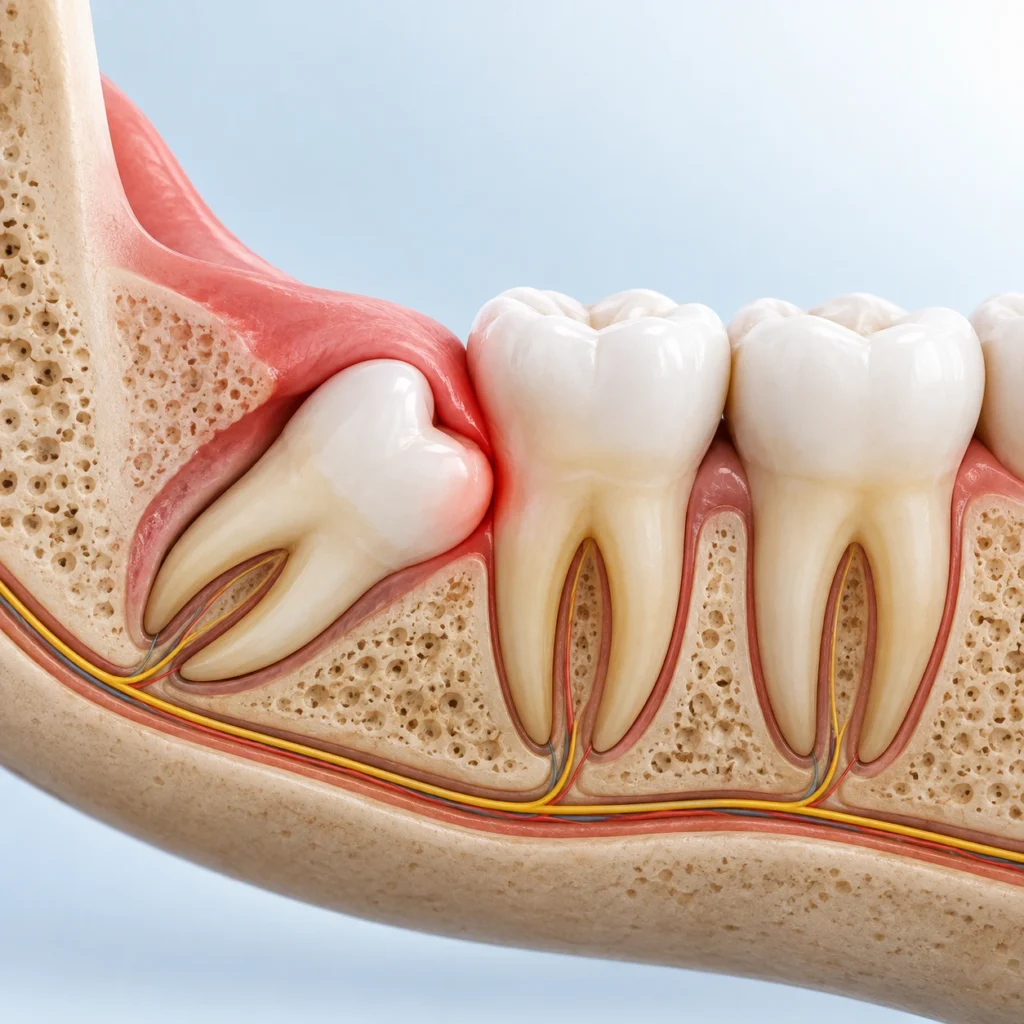
One of the main reasons why wisdom teeth can cause problems is due to their size and the limited space in the mouth. When there is not enough room for these molars to come in properly, they can become impacted, meaning they are unable to fully emerge from the gums. Impacted wisdom teeth can lead to pain, swelling, infection, and even damage to neighboring teeth.
Signs and Symptoms of Problematic Wisdom Teeth
If you are experiencing any of the following symptoms, it may be an indication that your wisdom teeth are causing problems:
- Pain or swelling at the back of the mouth
- Difficulty opening your mouth
- Jaw stiffness
- Bad breath or a bad taste in the mouth
- Tender or bleeding gums
- Crowding of other teeth
If you are experiencing any of these symptoms, it is essential to see a dentist for an evaluation. They will be able to determine if your wisdom teeth need to be removed to prevent further complications.
Potential Problems with Wisdom Teeth
While wisdom teeth serve a purpose in chewing food, they can also lead to problems if they do not emerge correctly. Some common issues associated with wisdom teeth include impacted teeth, overcrowding, and infection. Impacted wisdom teeth occur when there is not enough space in the mouth for the teeth to erupt properly, leading to pain and discomfort.
Impaction
One of the most common issues associated with wisdom teeth is impaction. When there is not enough room for the wisdom teeth to fully emerge, they can become trapped under the gums. This can lead to pain, swelling, and even infection if left untreated.
Crowding
Wisdom teeth may also cause crowding in your mouth, pushing your other teeth out of alignment. This can result in bite issues, misalignment, and difficulty cleaning between teeth, leading to a higher risk of decay and gum disease.
Infection
If wisdom teeth do not fully emerge, they can create pockets where bacteria can accumulate, leading to infection. This can cause pain, swelling, and even more serious complications if not properly treated.
When Should Wisdom Teeth Be Removed?
If you are experiencing any of the above issues, or if your dentist recommends it, you may need to have your wisdom teeth removed. Removal is often necessary when wisdom teeth are impacted, causing pain or infection, or when they are crowding your other teeth.
What Happens During Wisdom Tooth Removal?
Consultation
Your dentist will first examine your wisdom teeth and take X-rays to determine the best course of action. They will discuss the procedure with you, including whether you will be under local anesthesia, sedation, or general anesthesia.
Extraction
During the actual removal, your dentist will make an incision in the gums to access the tooth. They may need to break the tooth into smaller pieces to remove it more easily. Once the tooth is out, the area will be stitched up to promote healing.
Recovery
After the procedure, you may experience some pain, swelling, and bleeding. Your dentist will provide you with instructions for caring for the area, including pain management and dietary restrictions. It may take a few days to fully recover, but most people return to normal activities soon after.
When Should You See a Dentist?
If you are experiencing pain, swelling, or other issues with your wisdom teeth, it is important to see a dentist as soon as possible. They can evaluate the situation and recommend the best course of action, whether that involves removal or other treatment options.
Conclusion
Wisdom teeth can be a source of pain and discomfort for many individuals. It is essential to pay attention to any signs or symptoms that may indicate problems with your wisdom teeth and seek prompt dental care if needed. By understanding the role of wisdom teeth in the mouth and knowing when extraction is necessary, you can maintain optimal oral health and prevent complications in the future.