
Don’t Keep a Mobile Tooth Forever! Understanding Mobile Teeth, Gum Infection & Swelling
Introduction:
When it comes to dental health, it is important to pay attention to any signs or symptoms that may indicate a problem. Mobile teeth, gum infections, and swelling are all issues that can arise and should not be ignored. In this article, we will delve into the causes and treatment options for these common dental problems.
What is a Mobile Tooth?
A mobile tooth refers to a tooth that moves or loosens from its normal position within the mouth. This can be caused by several factors, including gum disease, trauma to the tooth or surrounding area, or bone loss due to conditions such as osteoporosis. When a tooth becomes mobile, it can affect your ability to chew properly and may cause discomfort or pain.
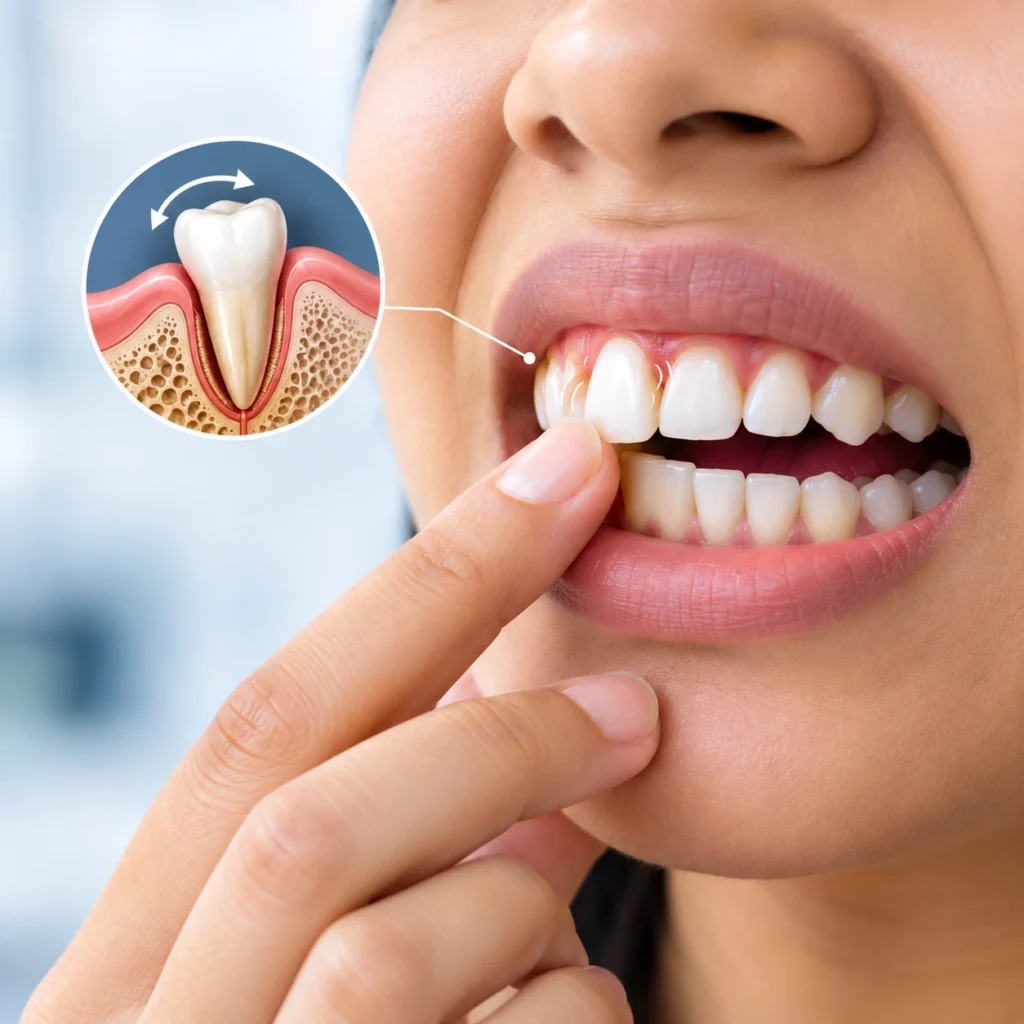
What Causes Mobile Teeth?
Mobile teeth, also known as loose teeth, can be caused by a variety of factors. Some common reasons for teeth becoming mobile include gum disease, trauma to the mouth, and bone loss. Gum disease, in particular, can lead to the destruction of the supporting structures of the teeth, resulting in mobility. Trauma to the mouth, such as a sports injury or accident, can also cause teeth to become loose. Additionally, bone loss due to conditions like osteoporosis can contribute to mobile teeth.
How to Treat Mobile Teeth:
If you notice that one or more of your teeth are becoming loose, it is important to see a dentist as soon as possible. The treatment for mobile teeth will depend on the underlying cause. For gum disease, a deep cleaning procedure known as scaling and root planing may be recommended. This helps to remove tartar and bacteria from the gums and roots of the teeth. In cases of trauma, the dentist may need to splint the loose tooth to stabilize it while it heals. In more severe cases of bone loss, procedures such as bone grafting may be necessary to restore stability to the affected teeth.
Understanding Gum Infection:
Gum infection, also known as periodontal disease, is a common condition that affects the gums and supporting structures of the teeth. It is caused by bacteria in plaque, which can accumulate on the teeth if proper oral hygiene is not maintained. When left untreated, gum infection can lead to gingivitis, a mild form of the disease, or periodontitis, a more severe and advanced stage. Symptoms of gum infection include red, swollen, and tender gums, bleeding when brushing or flossing, and bad breath.

How to Treat Gum Infection:
The treatment for gum infection will depend on the severity of the condition. For mild cases of gingivitis, a professional cleaning by a dental hygienist may be all that is needed to remove plaque and tartar from the teeth and gums. More severe cases of periodontitis may require scaling and root planing, as well as antibiotic therapy to eliminate the bacteria causing the infection. In some cases, surgery may be necessary to repair damaged tissues and restore gum health.
Dealing with Swollen Gums:
Swelling of the gums can be a sign of an underlying issue, such as gum infection or inflammation. In some cases, swelling may be caused by infection, trauma, or irritation from dental appliances or restorations. It is important to pay attention to any swelling of the gums and seek treatment if necessary. Swollen gums can be uncomfortable and may make it difficult to brush and floss properly, leading to further issues with oral health.
Preventing Dental Problems:
To prevent mobile teeth, gum infections, and swelling, it is important to maintain good oral hygiene practices. This includes brushing and flossing regularly, visiting the dentist for check-ups and cleanings, and avoiding habits that can contribute to dental problems, such as smoking and poor diet. By taking care of your teeth and gums, you can prevent these common issues and maintain a healthy smile for years to come.
When Should I Seek Professional Help?
If you notice that one of your teeth is becoming mobile or if you are experiencing gum infection and swelling, it is crucial to schedule an appointment with your dentist as soon as possible. Delaying treatment can lead to further complications and may jeopardize the long-term health of your teeth and gums.
Conclusion
In conclusion, mobile teeth, gum infections, and swelling are all common dental issues that should not be ignored. By understanding the causes and treatment options for these problems, you can take steps to protect your oral health and prevent further complications. If you are experiencing any symptoms of mobile teeth, gum infection, or swelling, be sure to consult with a dentist for an accurate diagnosis and appropriate treatment. Remember, dental health is an important part of overall well-being, so don’t keep a mobile tooth forever!